



The Myth of the Off-Season
For years, the monsoon has been considered the off-season for wildlife tourism in India. Conventional wisdom dictated that heavy rains made jungle trails impassable and dense foliage hid animals from view, leading most national parks to close their core
zones from July to September. While many core areas do shut down for ecological regeneration and safety, a growing number of parks and buffer zones remain open, offering a safari experience that is in many ways richer and more atmospheric than during the peak dry season. This shift is driven by travellers seeking more authentic and less crowded encounters with nature. The benefits are undeniable: cooler temperatures, dramatically lower tourist numbers, and a landscape bursting with life.
A World Washed Anew
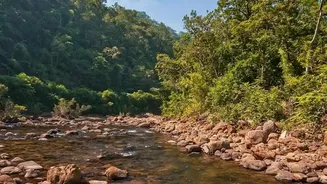
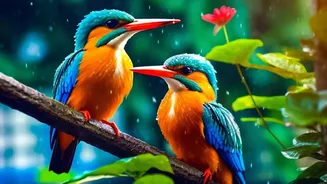
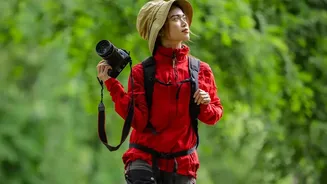
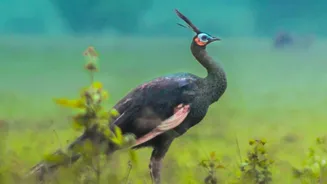
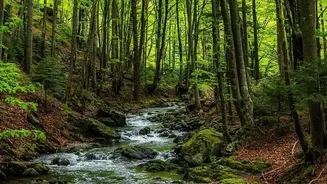
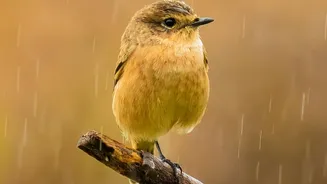
The monsoon breathes new life into the subcontinent's forests. The parched earth of summer gives way to a vibrant, emerald carpet. Rivers and lakes swell, drawing animals out to their banks. For photographers, the soft, diffused light, dramatic cloud-filled skies, and lack of dust create unparalleled conditions for capturing the jungle’s vivid colours. Animal behaviour also changes. Freed from the oppressive heat that forces them into deep cover, many species remain active for longer periods during the day. The season is also crucial for birdwatchers, as it marks the breeding period for many resident species, filling the air with courtship calls and displays.
Periyar, Kerala: A Safari by Water
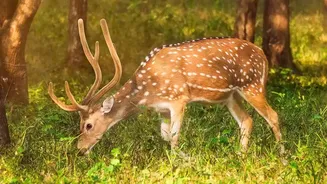
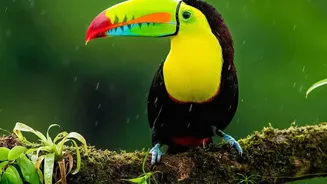
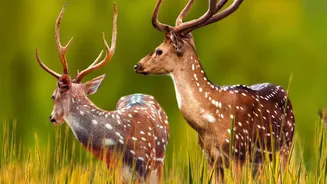
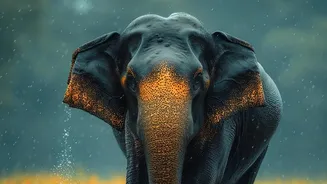
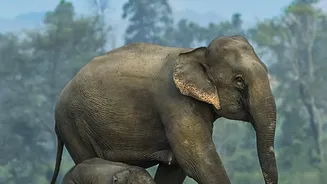
Nestled in the Western Ghats, Periyar National Park in Kerala is perhaps the ultimate monsoon wildlife destination because it never closes and its main attraction, the Periyar Lake, is at its most beautiful. The primary mode of exploration here is the boat safari, which becomes even more magical amidst the mist and rain. Herds of elephants are a common sight, coming down to the lake's edge to drink and bathe, their dark forms stark against the lush, green hills. The park is also home to sambar deer, Indian gaur, and a rich variety of birdlife, including the Great Malabar Hornbill. The experience is less about a frantic search for tigers and more about a serene immersion into a thriving ecosystem.
Tadoba and Ranthambore: The Monsoon Tiger
For those unwilling to give up on the dream of seeing a tiger, the monsoon still delivers. In Maharashtra, Tadoba Andhari Tiger Reserve keeps its buffer zones open, and tiger sightings remain surprisingly frequent. The big cats are often seen patrolling the edges of the reserve's overflowing water bodies. Similarly, in Rajasthan, while the core of Ranthambore National Park closes, select outer zones (typically 6 to 10) remain accessible. A monsoon safari here offers the surreal sight of the ancient Ranthambore Fort shrouded in clouds, with the jungle below painted in shades of green rarely associated with arid Rajasthan.
Corbett and Keoladeo: Foothills and Feathers
In the Himalayan foothills, parts of Jim Corbett National Park in Uttarakhand also welcome visitors. The Jhirna and Dhela zones are open year-round, weather permitting. Exploring these areas during the rains reveals a different side of Corbett, with streams gushing through the forest and elephants enjoying the cooler weather. Further south, in Rajasthan, Keoladeo National Park (formerly Bharatpur Bird Sanctuary) transforms into an avian paradise. The monsoon is the breeding season for hundreds of resident species like painted storks, herons, and spoonbills, creating a spectacular and noisy celebration of life in the wetlands.
Kabini and Satpura: Unique Encounters
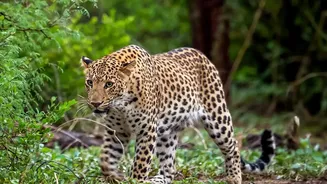
In Karnataka, the forests around the Kabini River, part of Nagarhole National Park, offer incredible monsoon sightings. The backwaters of the reservoir attract large herds of Asiatic elephants, and leopards are often seen resting on rain-drenched branches. Meanwhile, Satpura National Park in Madhya Pradesh provides one of the most unique monsoon experiences. As one of the few reserves where walking and canoeing safaris are permitted, it allows for an incredibly intimate connection with the rain-washed landscape, offering a quiet, ground-level perspective of the jungle that a jeep simply cannot match.