




The Post-Monsoon Cleanup
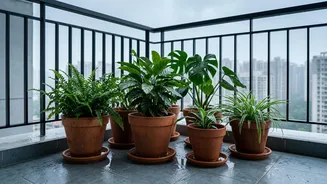
After weeks of relentless rain, your first task is a thorough cleanup. The monsoon, while life-giving, also encourages fungal growth and can leave pots waterlogged. Start by clearing out any dead plants and fallen leaves from your pots and balcony floor.
This debris can harbour pests and diseases. Gently inspect your surviving plants for any signs of trouble like yellowing leaves or blackened stems, which may indicate root rot. Loosen the top layer of compacted soil with a small fork or trowel to improve aeration and help the roots breathe again after being saturated for so long. This initial reset prepares your green space for a phase of healthy new growth as the weather turns milder.
Pruning: A Trim for New Growth
Pruning is essential after the monsoon to remove any damaged or diseased branches and to shape plants that may have grown leggy. For many common Indian household plants like hibiscus, bougainvillea, and jasmine, a light trim in September encourages a fresh flush of growth and more flowers for the upcoming season. Focus on cutting away weak stems and any old flower heads. For tulsi plants, pinching off the flower spikes will encourage lush, leafy growth and prevent the plant from becoming woody. Always use clean, sharp pruning shears to make precise cuts and avoid introducing infections. However, be mindful not to perform hard pruning on all plants; the goal is maintenance and encouraging new shoots, not a drastic overhaul.
Repotting and Reviving Soil
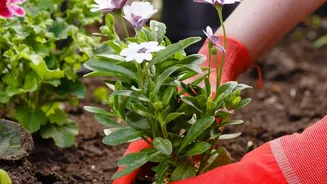
The monsoon's constant dampness can leach nutrients from the soil and cause it to become compacted. For plants that look stressed or have roots growing out of the drainage holes, September is an ideal time for repotting. Choose a new pot that is only one or two inches larger in diameter. When you remove the plant, gently inspect the roots and trim away any that are mushy or dead, which are signs of root rot. Use a fresh, well-draining potting mix, often a combination of garden soil, compost, and cocopeat. For plants that don't need a new pot, you can simply refresh the soil by scooping out the top two inches and replacing it with fresh compost or manure. This replenishes lost nutrients and gives your plants a much-needed boost.
Pest Management Post-Rains
High humidity makes the post-monsoon period a prime time for pests like mealybugs, aphids, and spider mites, as well as fungal diseases like powdery mildew. Regularly inspect your plants, paying close attention to the undersides of leaves where pests often hide. One of the most effective and safe solutions for home gardeners is a neem oil spray. Dilute a small amount of cold-pressed neem oil with water and a few drops of liquid soap, and spray it on your plants every couple of weeks as a preventive measure. Ensuring good air circulation between your pots can also significantly reduce the risk of fungal infections.
What to Plant in September
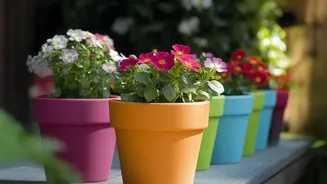
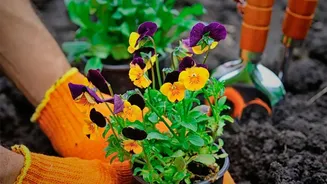
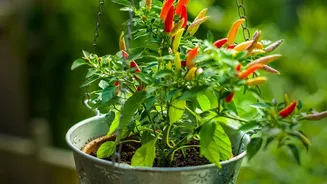
With your garden pruned and prepped, it's time for the most exciting part: planting for the winter season. September's cooler temperatures are perfect for a wide variety of vegetables and flowers. For your kitchen garden, consider sowing seeds of leafy greens like spinach (palak), coriander (dhania), and fenugreek (methi). It's also an excellent time for cool-season vegetables like carrots, radishes, tomatoes, chillies, and cauliflower, which thrive in pots. To add a splash of colour to your balcony, plant winter-flowering annuals. Marigolds, petunias, pansies, and calendula are fantastic choices that are easy to grow from seed and will reward you with vibrant blooms through the cooler months.