






The Great Visa Reversal
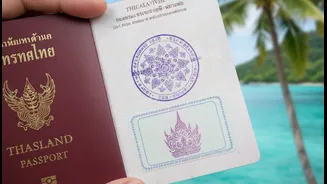
In a move that brought relief to travellers, Thailand's government on July 14, 2026, confirmed it would continue offering visa-free entry to Indian passport holders. This decision was a sharp reversal from a May proposal that suggested scrapping the popular
scheme. That initial announcement caused confusion and an immediate drop in arrivals from India, prompting Thai authorities to quickly reconsider. The new policy allows for a 30-day visa-exempt stay. While shorter than the previous 60-day allowance, it is perfectly aligned with the average Indian tourist's stay of about seven to eight days and removes the cost and hassle of a visa on arrival. This shows how crucial the Indian market has become; when Indian travel sentiment wavered, Thailand listened and acted decisively.
An Economic Power Play
So, why the special treatment? It's simple economics. India is Thailand's third-largest source of tourists, trailing only China and Malaysia, and is among the top three for visitor spending. With a booming economy and a massive population of young, upwardly mobile travellers, India represents a reliable and growing market. The Tourism Authority of Thailand (TAT) has taken note. Their strategy for 2026 and beyond is a deliberate pivot towards “value over volume,” targeting high-spending segments where Indians are a key demographic. This includes luxury travellers, wellness seekers, and the enormously lucrative destination wedding market.
The Big Fat Indian Wedding Factor
Thailand has firmly established itself as the undisputed leader for international Indian destination weddings. Resorts in Phuket, Hua Hin, Khao Lak, and Koh Samui are now experts in catering to the unique demands of multi-day Indian wedding celebrations, from poolside haldi ceremonies to grand sangeet nights and beachfront pheras. They offer specialized Indian chefs, understand dietary needs like Jain and vegetarian meals, and have planners experienced in Indian traditions. This segment is a massive revenue generator, as weddings bring large groups who stay longer and spend more, turning a single event into an extended holiday for entire families. The focus on this niche is a core part of Thailand's high-value tourism strategy.
More Flights, Better Connectivity
A welcoming visa policy is only effective if people can get there. Recognizing this, both Thai and Indian carriers have been aggressively expanding flight connectivity. In the past year, new direct routes have been launched connecting major Indian hubs like Bengaluru and Varanasi to Thai hotspots like Phuket and Bangkok. Airlines like Air India Express and Vietjet have been increasing flight frequencies from cities including Mumbai and Kolkata. This expansion extends beyond metros, with a growing focus on connecting Tier-2 Indian cities directly to Thailand, making the journey quicker and more affordable for a wider range of travellers. This surge in capacity is a clear signal that airlines are confident in the sustained demand from the Indian market.
Beyond the Usual Hotspots
Thailand's tourism strategy is also about showcasing its diversity. While Bangkok, Pattaya, and Phuket remain popular, the TAT is actively promoting new destinations to Indian visitors. They are marketing the cultural charm of Chiang Mai, the serene beaches of Khao Lak and Krabi, and unique wellness retreats across the country. The new marketing slogan, "Healing is the New Luxury," is aimed squarely at attracting Indians interested in wellness and experiential travel, moving beyond just sightseeing. By encouraging tourists to explore more of the country, Thailand not only spreads the economic benefits but also offers repeat visitors a reason to come back and discover something new.