



1. Indulge in the Grand Onam Sadhya
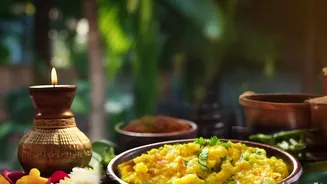
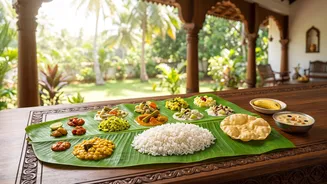
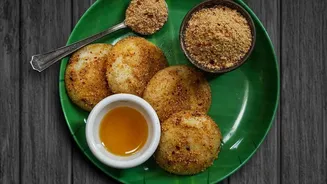
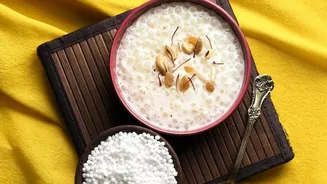
The heart of any Onam celebration is the Onam Sadhya, a magnificent vegetarian feast that captures the essence of Kerala's culinary heritage. Served on a fresh banana leaf, the Sadhya features a staggering array of over two dozen dishes. The meal is a carefully
orchestrated affair, with each item placed in a specific spot on the leaf. It begins with staples like par-boiled red rice, followed by an assortment of curries such as parippu (lentil curry with ghee), sambar, and avial—a thick stew of mixed vegetables in a coconut and yogurt gravy. Accompanying these are various side dishes like thoran (stir-fried vegetables with grated coconut), tangy pickles, crunchy banana chips, and crispy pappadams. The feast traditionally concludes with a series of sweet payasams, a milk-based pudding, leaving you with a taste of pure bliss. The importance of this meal is captured in a local saying: "Kaanam Vittum Onam Unnanam," which means one must have the Onam lunch even if it means selling one's property.
2. Witness the Artistry of Pookalam
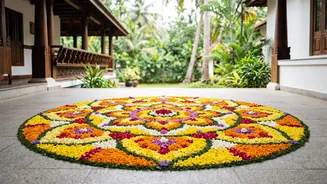
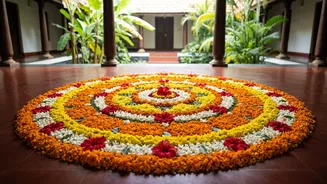
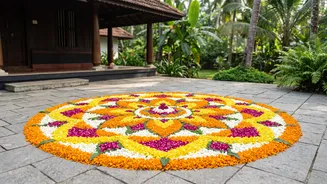
One of the most visually stunning traditions of Onam is the Pookalam, an intricate floral carpet created at the entrance of homes and public spaces. The name comes from 'poo' (flower) and 'kalam' (artwork). These vibrant designs are made to welcome the spirit of King Mahabali. The tradition begins on Atham, the first day of the ten-day festival, with a small, simple design, typically using just one or two colors of flowers. Each subsequent day, new layers of fresh petals are added, making the Pookalam grow larger and more elaborate, culminating in a grand and complex design by Thiruvonam, the main day of Onam. This collective activity, often involving the entire family and community, is a beautiful expression of creativity, unity, and festive joy.
3. Feel the Thrill of Vallam Kali
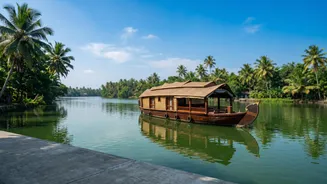
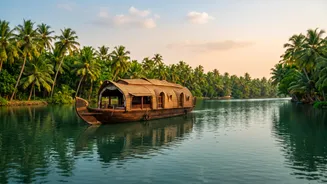
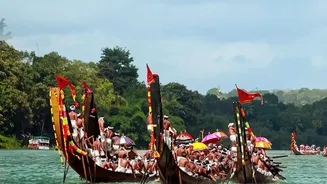
Onam season turns Kerala's serene backwaters into electrifying race tracks for the Vallam Kali, or snake boat races. These traditional races are a powerful spectacle of teamwork, strength, and cultural pride. The stars of the event are the majestic Chundan Vallams (snake boats), massive wooden vessels often over 100 feet long, powered by more than a hundred oarsmen rowing in perfect unison. To the rhythmic chants of the Vanchipattu (boat songs), these teams paddle furiously, competing for local glory. Major events like the Nehru Trophy Boat Race in Alappuzha and the Aranmula Uthrattathi Vallamkali attract enormous crowds, creating an atmosphere of intense excitement and celebration. It’s more than just a sport; it’s a living tradition that showcases the state's deep connection to its waterways.
4. Watch the Energetic Pulikali
On the fourth day of Onam, the streets of Thrissur erupt with the raw energy of Pulikali, the 'Tiger Dance'. This unique and vibrant folk art form is a highlight of the celebrations. Performers, with their bodies meticulously painted in bright yellow, black, and red to resemble tigers and leopards, dance through the streets to the thunderous beat of traditional percussion instruments like the thakil and chenda. The theme of the performance revolves around tiger hunting, with dancers mimicking the movements of a tiger, stalked by a hunter. It is a boisterous, playful, and slightly chaotic procession that captivates locals and visitors alike, embodying the wild, celebratory spirit of the festival.
5. Experience Graceful Traditional Dances
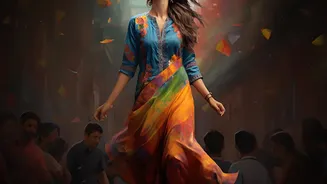
Onam is also a time to witness Kerala’s graceful and elegant classical and folk dances. Thiruvathirakali (also known as Kaikottikali) is a beautiful group dance performed by women. Dressed in traditional white and gold sarees (mundu-neriyathu), the dancers move in a circle around a lit lamp, clapping their hands rhythmically as they perform. The dance is known for its gentle, swaying movements and celebrates marital bliss and feminine energy. Alongside Thiruvathirakali, other forms like Kathakali, a highly stylized dance-drama, are also prominently featured during the Onam celebrations, offering a rich immersion into the artistic soul of Kerala.