




Eliminate All Standing Water
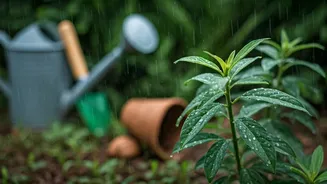
This is the most critical step in mosquito control. Mosquitoes need stagnant water to lay their eggs, and it only takes a tiny amount—as little as a bottle cap's worth—for hundreds of larvae to hatch. Walk through your garden after every rain and empty
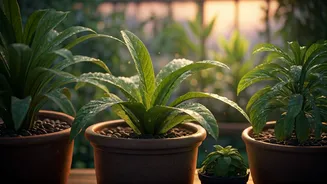
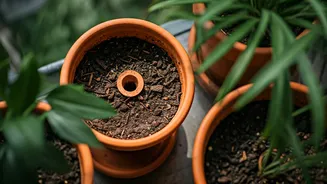
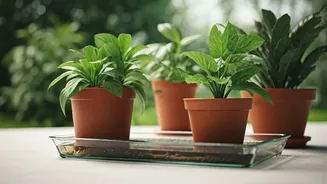
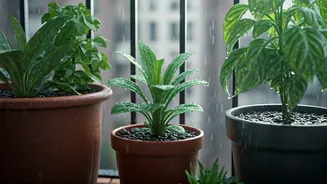
any object holding water. Pay close attention to flowerpot saucers, buckets, discarded tyres, children's toys, and even furniture covers where water can pool. For pots, it's best to empty the saucers every two days or fill them with sand to absorb excess moisture.
Maintain Your Water Features
Birdbaths, ornamental ponds, and fountains can be beautiful additions, but they are also potential mosquito nurseries. If you have a birdbath, you must change the water at least every couple of days to disrupt the mosquito life cycle. For larger ponds or water features where changing the water isn't feasible, consider introducing mosquito-larvae-eating fish or using Bti (Bacillus thuringiensis israelensis) dunks. Bti is a naturally occurring bacterium that specifically targets and kills mosquito larvae without harming pets, fish, or other wildlife.
Tidy Up Overgrown Foliage
Adult mosquitoes don't just need water to breed; they also need cool, shady, and humid places to rest during the day. An overgrown garden provides the perfect hideout. Keep your lawn mowed, trim back dense shrubs and bushes, and clear away piles of leaves or garden debris. Improving airflow by thinning out dense plant growth makes the environment less comfortable and inviting for them. This simple tidying can dramatically reduce the number of adult mosquitoes lurking in your yard.
Harness the Power of Plants
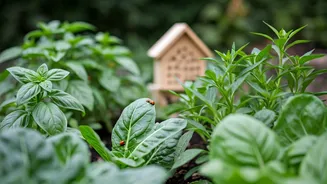
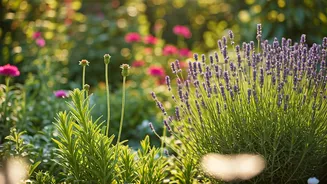
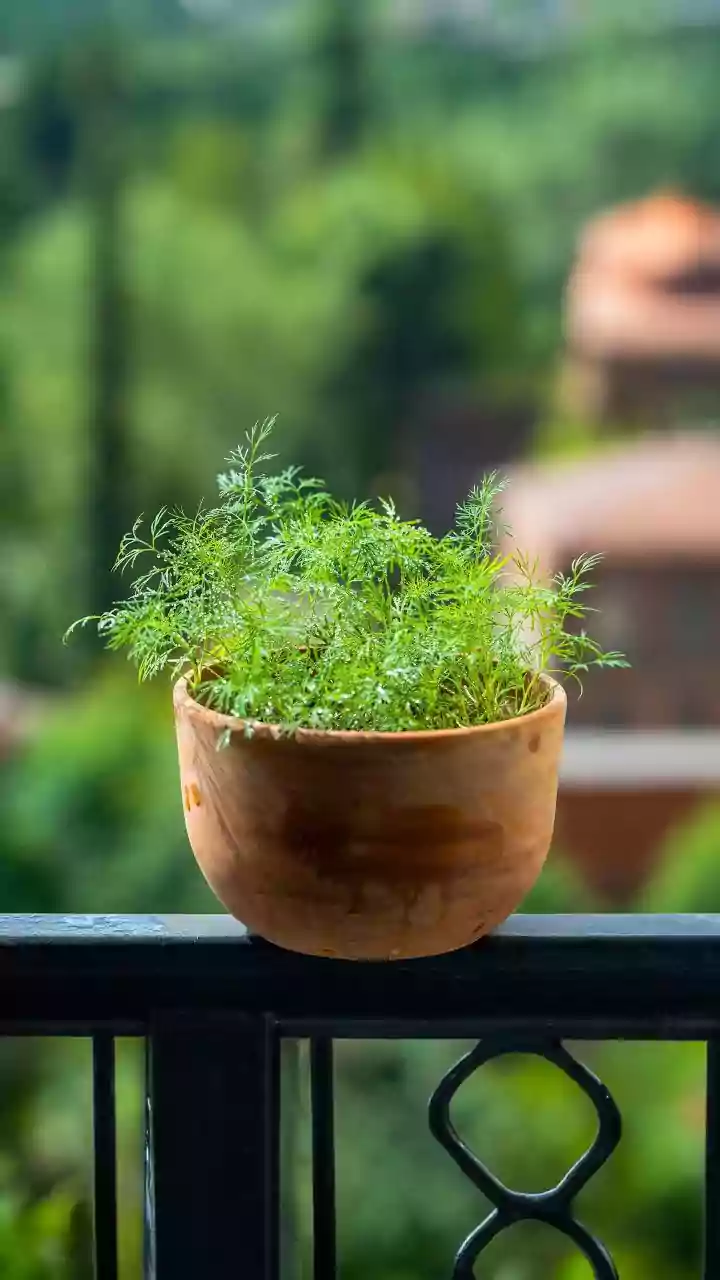
Many plants have scents that naturally repel mosquitoes, and incorporating them into your garden is both a beautiful and functional strategy. Plants like Marigold, Lavender, and Rosemary are excellent choices. In India, traditional plants like Tulsi (Holy Basil) and Lemongrass are famously effective. Lemongrass contains citronella, a well-known natural repellent. Mint (Pudina) is another great option that spreads easily in pots. While these plants won't create an impenetrable barrier, planting them near patios, windows, and doorways can significantly help deter mosquitoes.
Clear Clogged Gutters and Drains
It's an out-of-sight, out-of-mind problem, but clogged rooftop gutters are a major breeding ground for mosquitoes. When filled with leaves and debris, they prevent rainwater from draining, creating long stretches of stagnant water perfect for larvae. Before the heavy rains of July set in, make it a point to inspect and clear all your gutters and outdoor drains. This ensures water flows away freely and doesn't create a hidden mosquito hotspot above your head.
Time Your Gardening Activities
Mosquitoes are most active during the early morning at dawn and in the late evening at dusk. If possible, try to schedule your gardening work for other times of the day to reduce your exposure to bites. If you must be out during these peak hours, wearing light-coloured, long-sleeved clothing can offer a simple layer of physical protection. Running an outdoor fan on your patio or balcony can also help, as mosquitoes are weak fliers and struggle against a steady breeze.