



What is a 'Lived-In' Interior?
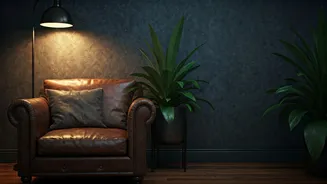
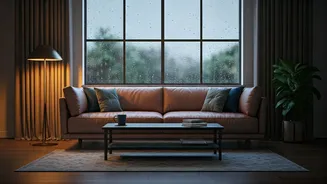
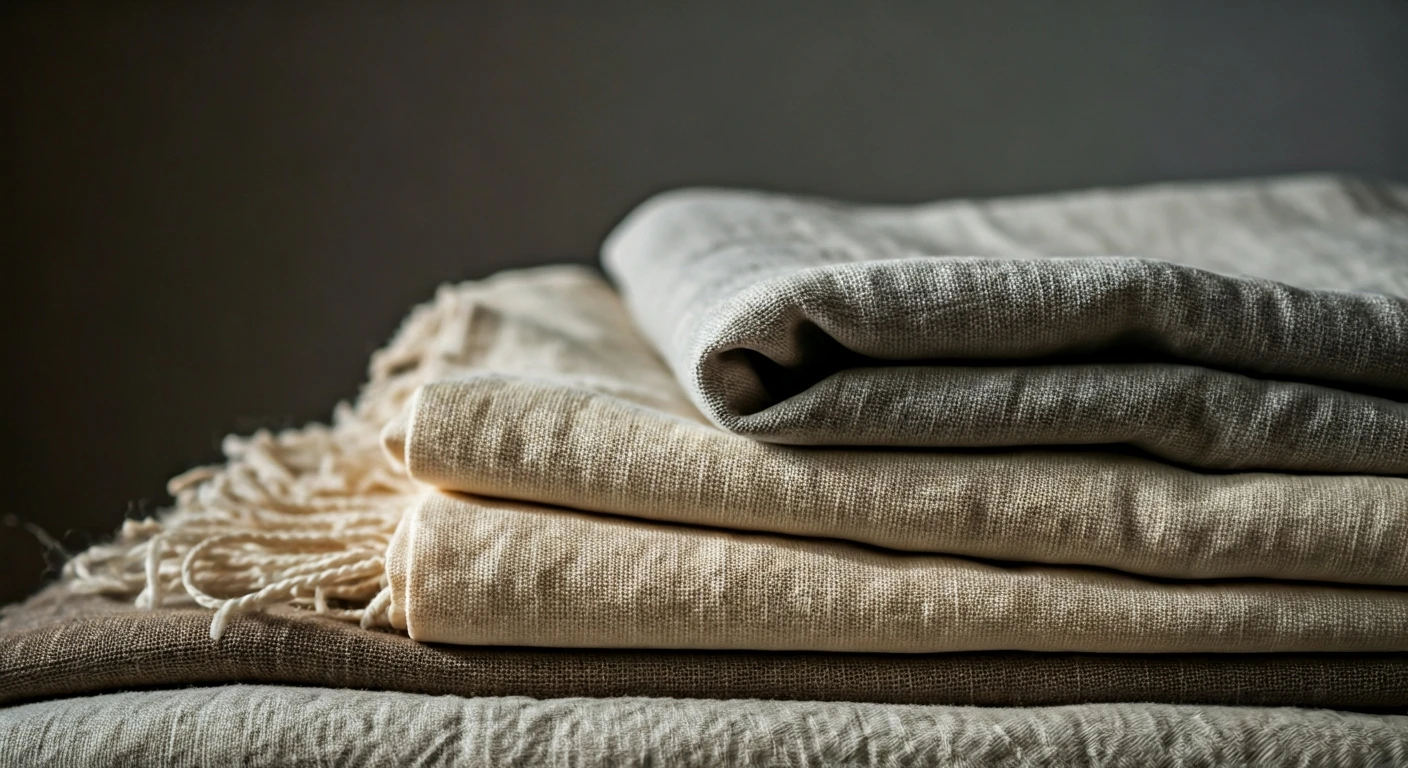
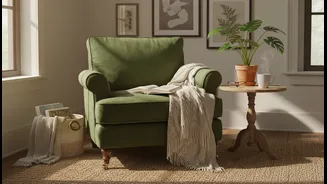
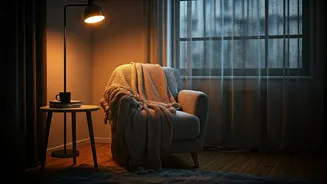
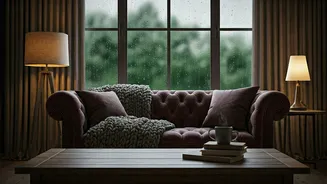
A lived-in interior is not about mess or clutter; it’s about a home that feels like it has evolved naturally over time. It’s a space where every object seems to have a story. Think of creased linen throws, a stack of favourite books on the coffee table,
a gallery wall of family photos mixed with art fair finds, and furniture that shows gentle signs of use. This approach values comfort, history, and personality above all else. It rejects the sterile feel of a showroom for the warmth of a home that is genuinely inhabited and loved. The core idea is to create a space that is reflective of your personality and life experiences. It’s an aesthetic that is collected, not just decorated.
A Welcome Backlash to Perfection
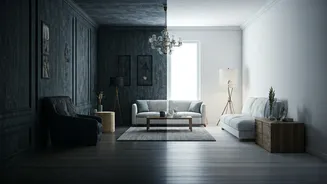
The push towards lived-in spaces comes as a response to the fatigue of keeping up with the picture-perfect, highly organized homes that have dominated social media. Maintaining such a pristine environment can be exhausting and, for many, unachievable. Designers note an upswell of people wanting to see rooms as they are actually used. This shift is a move toward authenticity and a rejection of spaces that feel more like a stage set. Perfect rooms can feel cold and unwelcoming, making guests afraid to relax for fear of causing a mess. In contrast, a home that embraces a degree of imperfection invites you to settle in, get comfortable, and feel at ease.
Practicality as the Ultimate Luxury
The “practical” in practical luxury is key. True luxury in a home isn't just about how it looks, but how it functions for the people who live there. A home should be designed with real life in mind, accommodating pets, children, and daily routines. This means choosing durable, quality materials like solid wood, stone, and performance fabrics that can withstand daily use and age beautifully over time. Functionality is seamlessly integrated, with smart storage solutions that keep clutter at bay without sacrificing style. A home that supports your lifestyle, whether through a well-designed kitchen that inspires healthy eating or a comfortable reading nook for relaxation, is the definition of practical luxury.
Embracing Imperfection and Patina
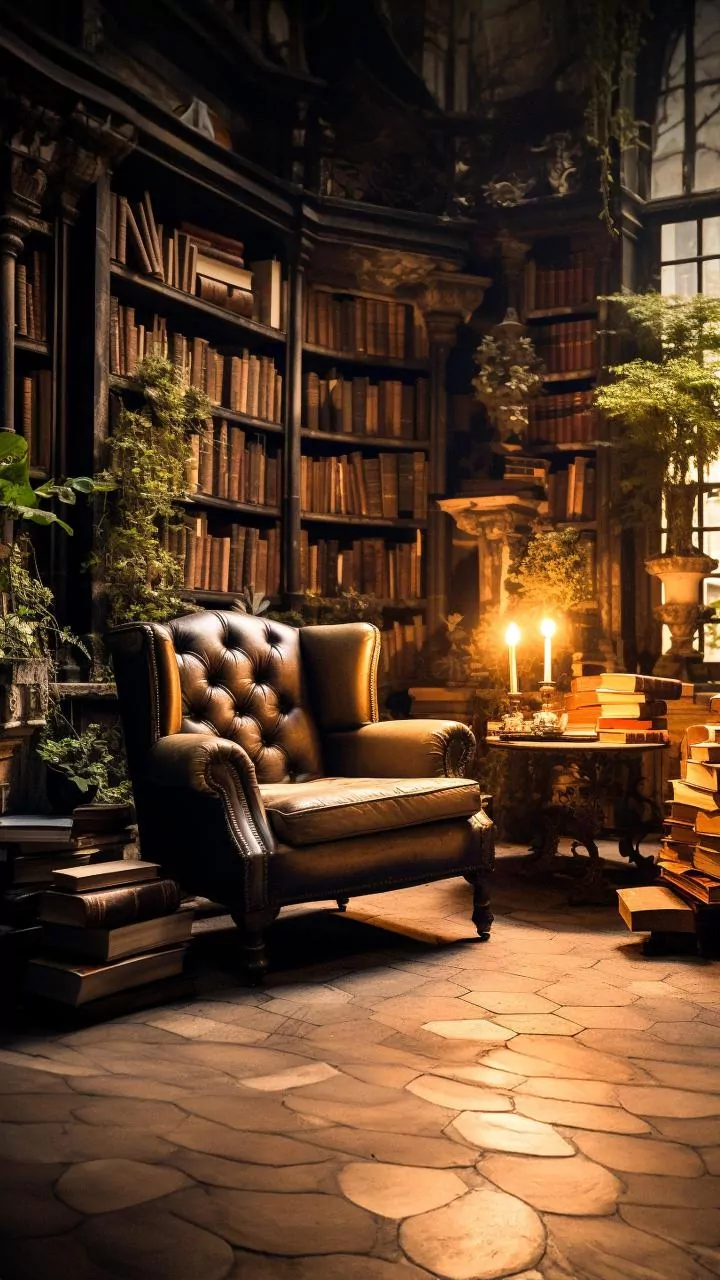
A core tenet of the lived-in philosophy is the embrace of imperfection. This concept, with roots in aesthetic philosophies like the Japanese wabi-sabi, finds beauty in the signs of age and use. Instead of seeing a scratch on a wooden table as a flaw, it’s viewed as part of its history. The patina on a brass handle or the worn edges of a vintage armchair add character and a sense of soul that mass-produced items often lack. This approach encourages us to move away from fast, disposable furniture and instead invest in pieces with longevity. It’s about creating a home that feels human and real, not sterile.
How to Cultivate a Lived-In Home
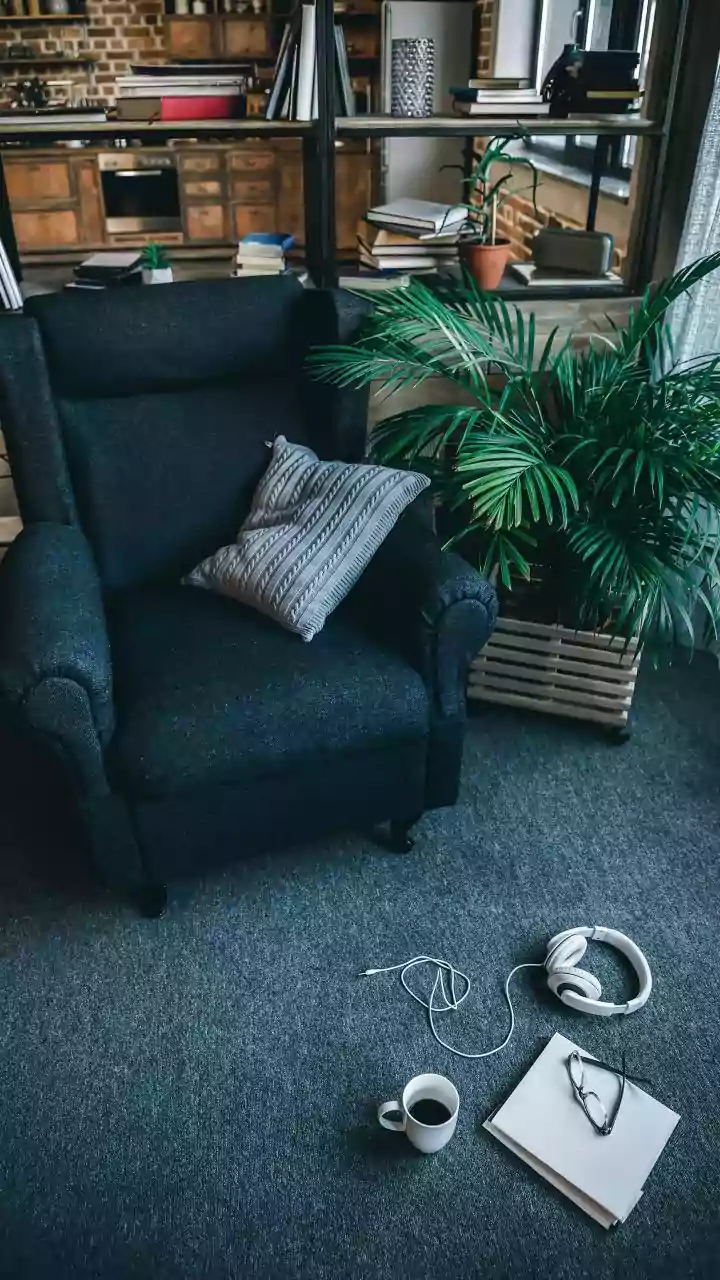
Creating a lived-in feel is a lifelong process, not an overnight project. It’s about curating with care, not just collecting. Start by displaying items that tell your personal story—collections, heirlooms, and travel souvenirs. Mix old and new pieces to create a layered look that feels both fresh and historic. Layering textures is also crucial for adding depth and warmth; combine soft materials like wool and velvet with natural ones like wood and rattan. Finally, don't be afraid to leave things a little undone. A casually draped throw, a stack of magazines, or a slightly askew rug can make a space feel more natural and inviting.