


The Hills: Landslides and Blocked Roads
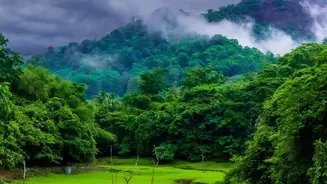
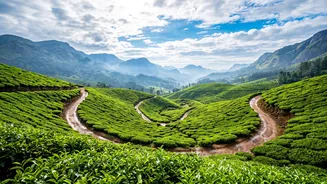
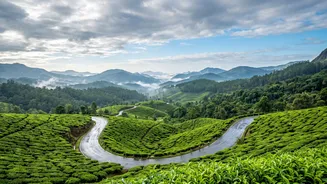
The Himalayas, particularly in states like Himachal Pradesh and Uttarakhand, are breathtakingly beautiful during the monsoon but also notoriously hazardous. The primary danger here is landslides, which can be triggered by heavy, continuous rainfall. Important
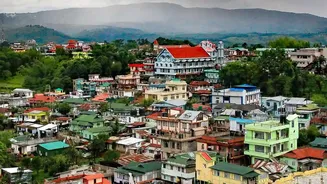
highways connecting popular destinations like Shimla, Manali, Nainital, and Mussoorie are frequently blocked, sometimes for days. Recent alerts from August 2026 highlight ongoing risks in these areas, with authorities advising extreme caution. Flash floods in narrow valleys are another serious concern. While the scenery is at its peak, the risk of getting stranded is very real. Travel to the high-altitude pilgrimage routes of Char Dham is often suspended during peak monsoon for safety reasons. The Northeast, including Sikkim and Darjeeling, faces similar issues with road blockages on crucial highways like NH-10.
Coasts and Plains: Flooding and High Tides
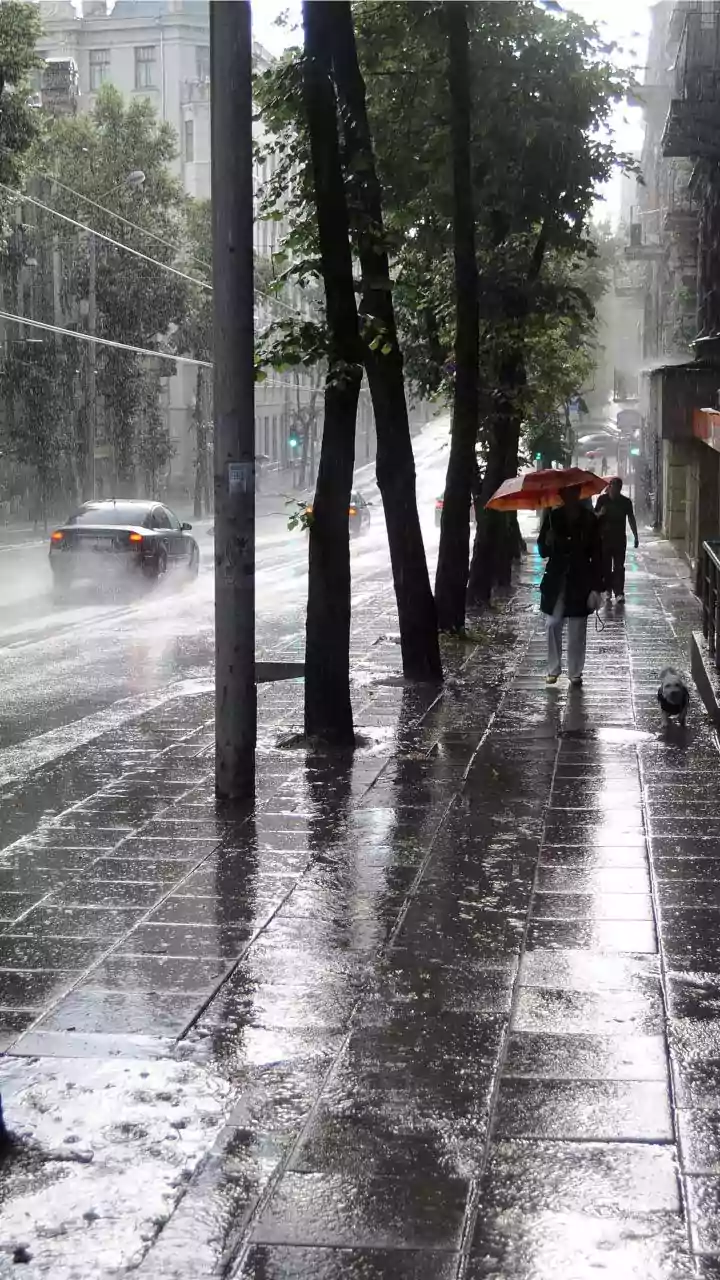
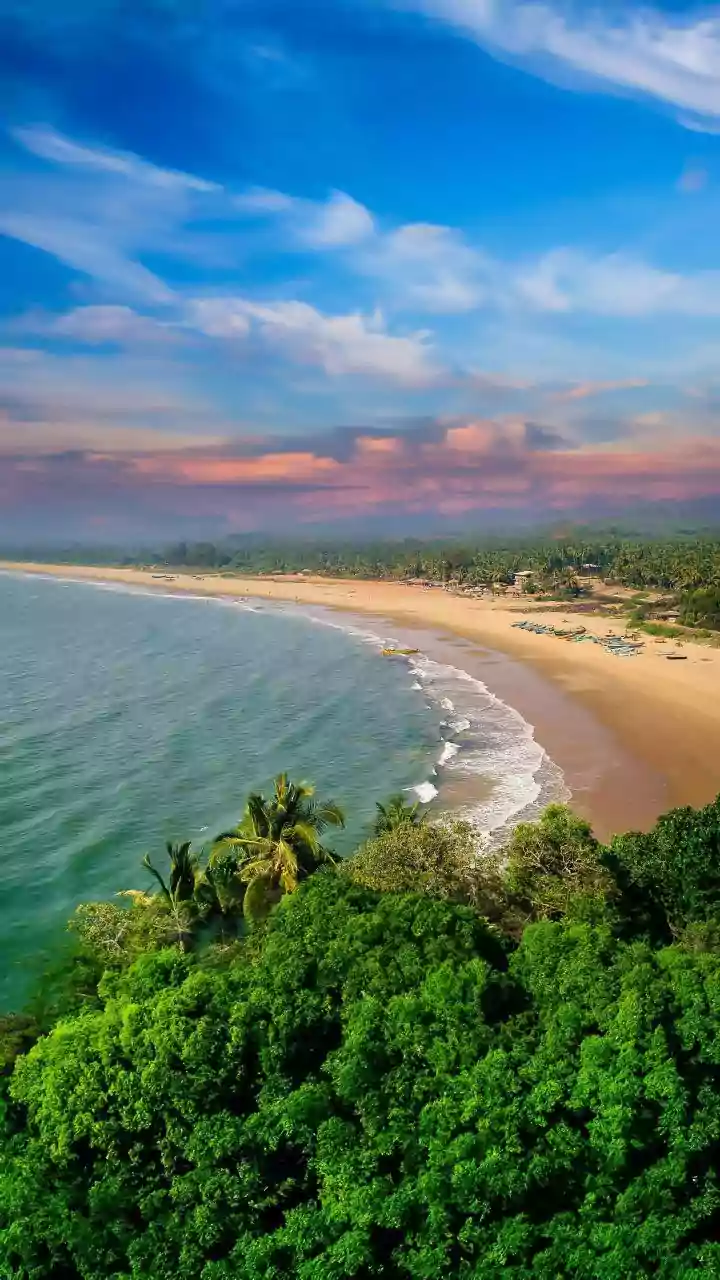
Destinations along India's west coast, such as Goa, Kerala, and the Konkan Coast, are synonymous with monsoon beauty. However, they are not without their risks. Heavy rainfall can lead to significant waterlogging and localised flooding, disrupting transport and daily life, especially in urban areas like Mumbai. Coastal areas can experience rough seas and high tides, making beach activities unsafe. While off-season Goa offers peace and quiet, many beach shacks are closed, and swimming in the sea is generally prohibited. In Kerala, the same rains that make the backwaters a verdant paradise can also cause rivers to swell, leading to floods in low-lying areas. Experts point to an increase in extreme, localised downpours, heightening the risk of flash floods across the state. Travellers should also be mindful of water-borne diseases, which are more common during this season.
The Safer Sanctuaries: Rain-Shadow Regions
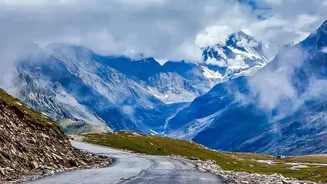
For those who want to travel during the monsoon months without the rain, the answer lies in India's rain-shadow regions. Destinations like Ladakh and the Spiti Valley in Himachal Pradesh receive minimal rainfall during July and August because the towering Himalayan ranges block the monsoon clouds. This makes it the peak season for travel to these high-altitude deserts, offering clear skies and accessible roads (though the approach roads can be risky). Other relatively safer bets include areas that receive less intense rainfall. The eastern side of the Western Ghats, and destinations in Rajasthan like Udaipur and Mount Abu, see their lakes fill up and surroundings turn green without the constant downpours that plague the western coast. Similarly, Tamil Nadu's hill stations get a gentler version of the monsoon compared to their counterparts in Kerala.
Your Monsoon Travel Checklist
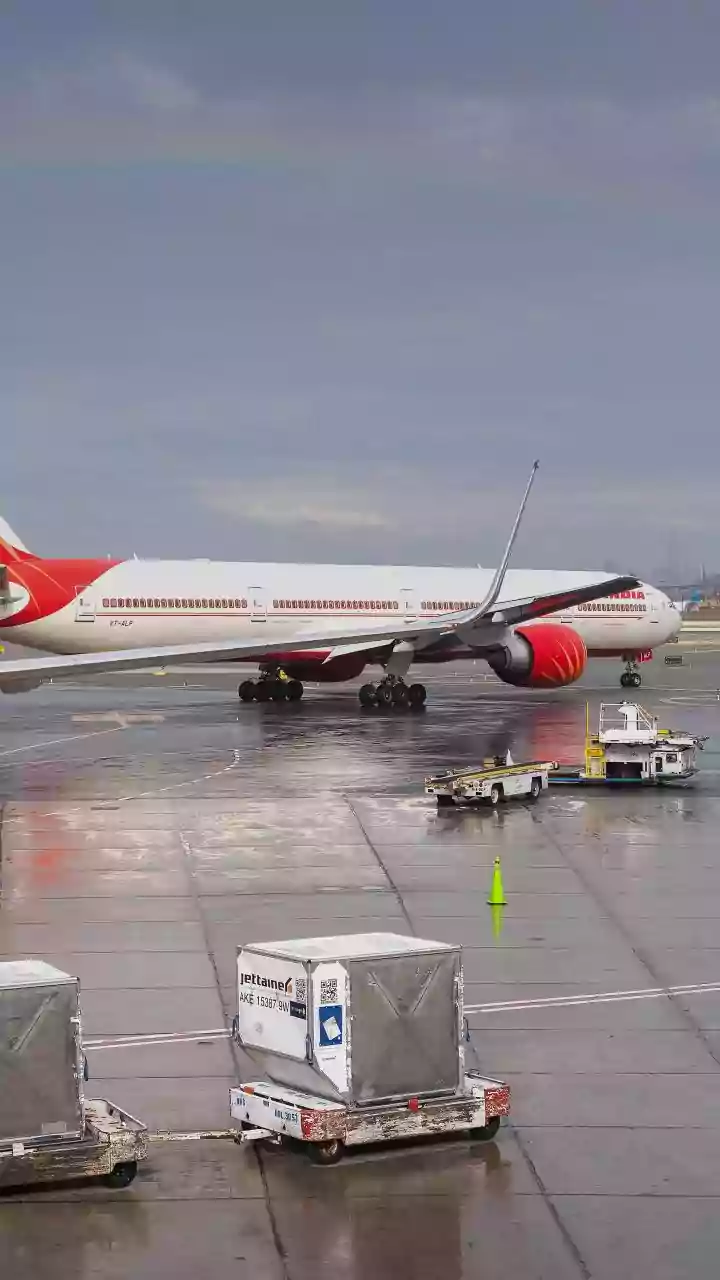
Smart planning is the key to a safe and enjoyable monsoon trip. Wherever you decide to go, it is essential to prepare for the unexpected. First, always check the latest weather forecasts from the India Meteorological Department (IMD) for your specific destination, paying attention to any red or orange alerts for heavy rainfall. Build buffer days into your itinerary to account for potential travel delays caused by road closures or cancelled transport. Pack wisely with quick-drying clothes, waterproof outerwear and footwear, and protective bags for your electronics and documents. Avoid driving in hilly areas after dark, as visibility is poor and the risk of encountering falling debris is higher. Finally, book accommodation with flexible cancellation policies and always keep emergency contact numbers handy.