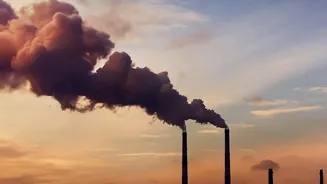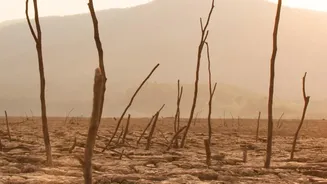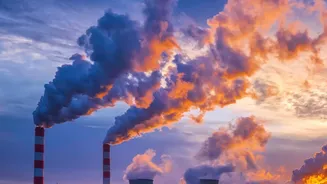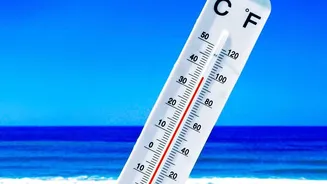


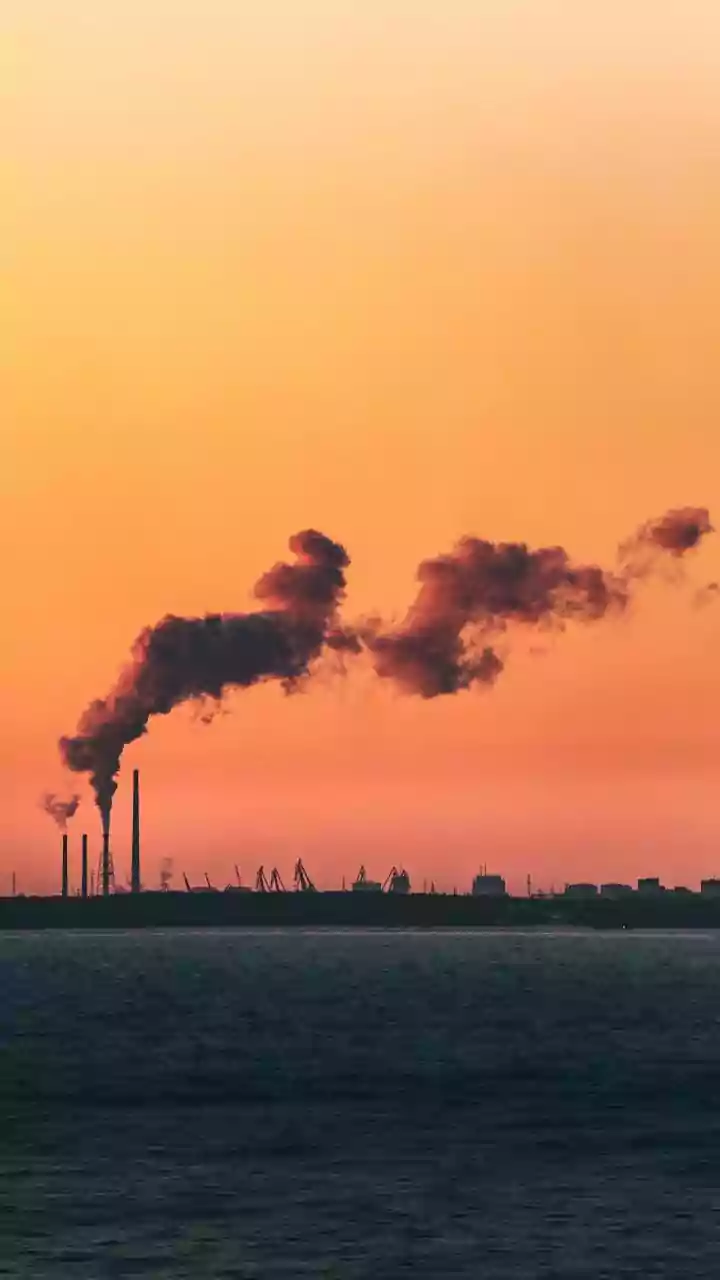


A stark new report from the United Nations and Türkiye warns that global climate action has stalled, putting the world on a perilous path to exceed the 1.5°C warming limit agreed upon in Paris. What does this mean, and why does it matter now?
A Critical Warning Issued
The international
community is facing a sobering reality check. A joint report, released in the run-up to the COP31 climate summit in Antalya, Türkiye, concludes that collective efforts to curb greenhouse gas emissions have stagnated over the past five years. This lack of progress means the world is now headed for an 'irrecoverable overshoot' of the critical 1.5°C warming threshold. The report, a collaboration between the UN Environment Programme (UNEP) and the host nation of the upcoming talks, serves as an urgent call to action, emphasizing that the window to prevent the most catastrophic impacts of climate change is closing with alarming speed. Even if all current national pledges are met, the world is on track for a 2.6°C temperature rise by the end of the century.
Where Has Progress Stalled?
The report identifies several key areas where momentum has been lost. While the adoption of renewable energy, like solar and wind, continues to grow, it is not happening fast enough to displace fossil fuels. In fact, the report notes that many nations' nationally determined contributions (NDCs) for 2035 are not ambitious enough to drive the necessary cuts. The gap between promises and implementation remains vast. Key goals, such as tripling renewable energy capacity and doubling energy efficiency by 2030, are lagging. Furthermore, crucial climate finance commitments from wealthier nations to support developing countries in their green transition and adaptation efforts have not been adequately met, a persistent point of contention in global climate negotiations.
Why the UN and Türkiye Partnership Matters
The collaboration between the UN and Türkiye for this report is significant. As the host of COP31, Türkiye is in a unique position to galvanize global action. The nation itself represents the complex balancing act faced by many emerging economies: growing its economy while navigating the energy transition. By co-authoring this stark assessment, Türkiye is signaling the urgency of the moment. President Recep Tayyip Erdoğan has acknowledged that three decades of climate talks have not yielded sufficient results in implementation. This joint message underscores that the upcoming summit in Antalya must shift from declarations to concrete, actionable decisions that can be implemented immediately.
The Fragile 1.5°C Goal
The Paris Agreement's goal to limit global warming to 1.5°C above pre-industrial levels is not an arbitrary number; it's a critical guardrail identified by scientists to avert irreversible damage. An 'overshoot', where temperatures temporarily exceed this limit before hopefully being brought back down, is now considered almost inevitable. However, every fraction of a degree matters. Exceeding 1.5°C, even for a few decades, dramatically increases the risk of triggering tipping points, such as the collapse of major ice sheets or the die-off of coral reefs, which could have cascading and unpredictable consequences for global ecosystems and human societies. The latest science indicates that individual months and years are already breaching the 1.5°C mark, serving as a deafening alarm bell.
The Stakes for India
For India, the implications of a world that overshoots 1.5°C are dire. The country is exceptionally vulnerable to climate impacts, including more intense heatwaves, erratic monsoons, severe droughts, and rising sea levels. While India has made significant strides in deploying renewable energy, particularly solar, its overall emissions are still rising, driven by economic growth and continued reliance on coal to meet energy demands. The Climate Action Tracker currently rates India's climate targets and policies as 'Highly Insufficient' for a 1.5°C pathway. The global failure to act puts more pressure on vulnerable nations like India, which must simultaneously fund its development, lift millions out of poverty, and invest heavily in adapting to climate impacts it did little to cause. This reality will be a central and contentious issue at the COP31 talks.