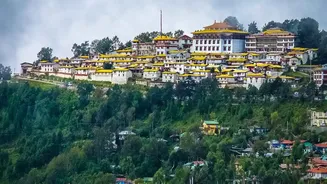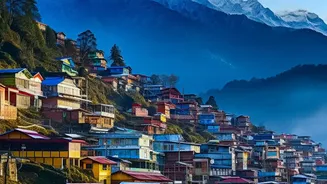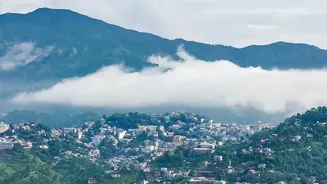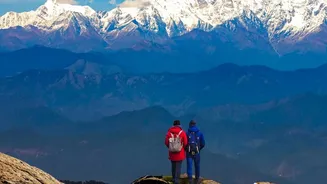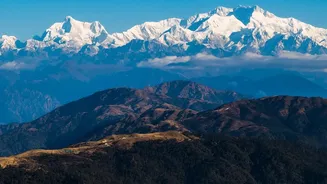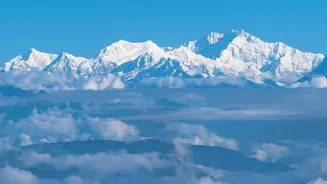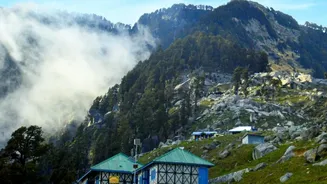

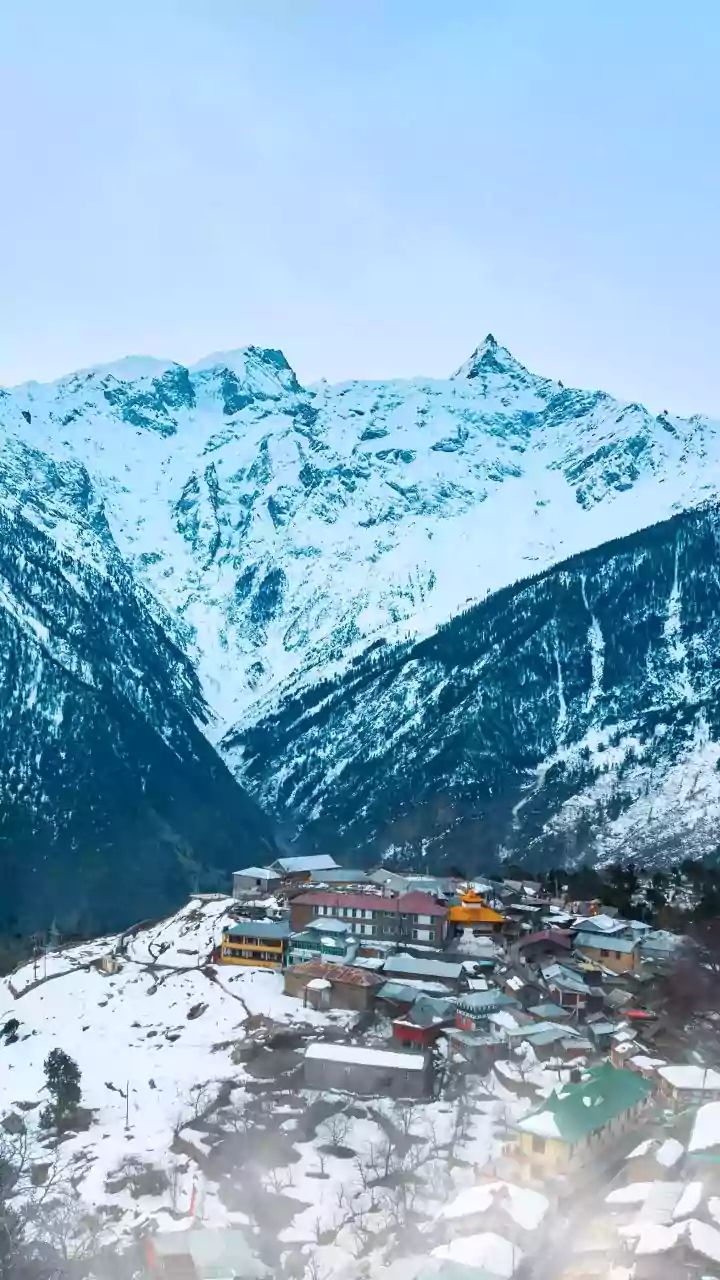
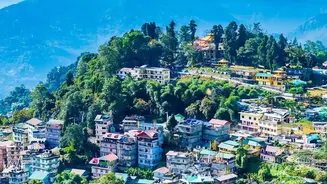
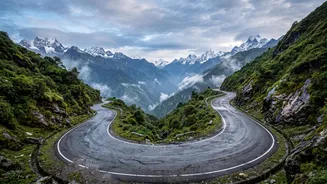
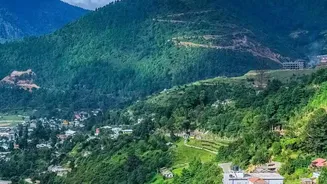
Nestled in the Himalayas, Sikkim is a land of dramatic landscapes, vibrant monasteries, and serene beauty. This six-day itinerary is designed for first-time visitors, offering a perfect blend of culture and nature across its key towns.
Day 1: Arrival and Acclimatisation in Gangtok
Your journey begins
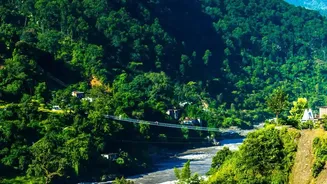
upon arrival at Bagdogra Airport (IXB) in West Bengal, the nearest air link to Sikkim. From there, a scenic 4 to 5-hour drive along the Teesta River will bring you to Gangtok, the state's capital. The road winds through lush green hills, offering a stunning introduction to the region. After checking into your hotel, take the evening to acclimatise to the altitude of around 5,500 feet. A leisurely stroll along the pedestrian-only MG Marg is a perfect way to spend the evening, soaking in the local atmosphere and trying some regional delicacies at the numerous cafes and restaurants.
Day 2: Glacial Lakes and Spiritual Heights
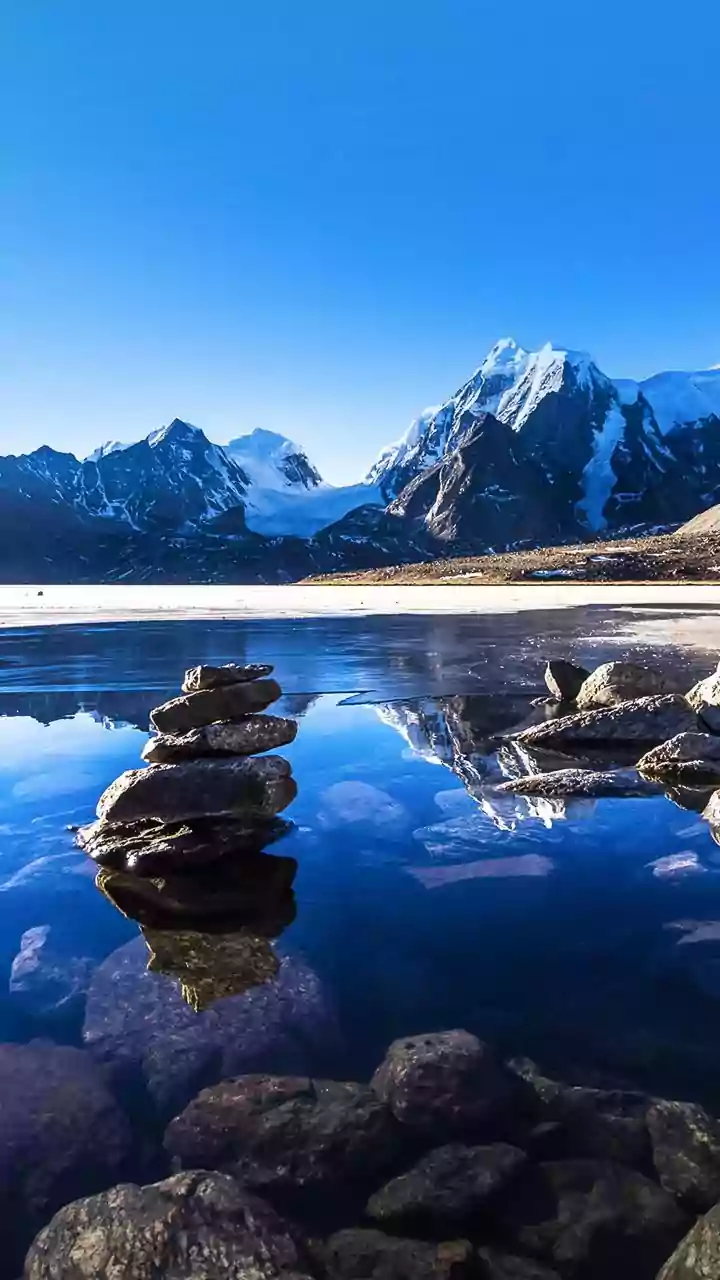
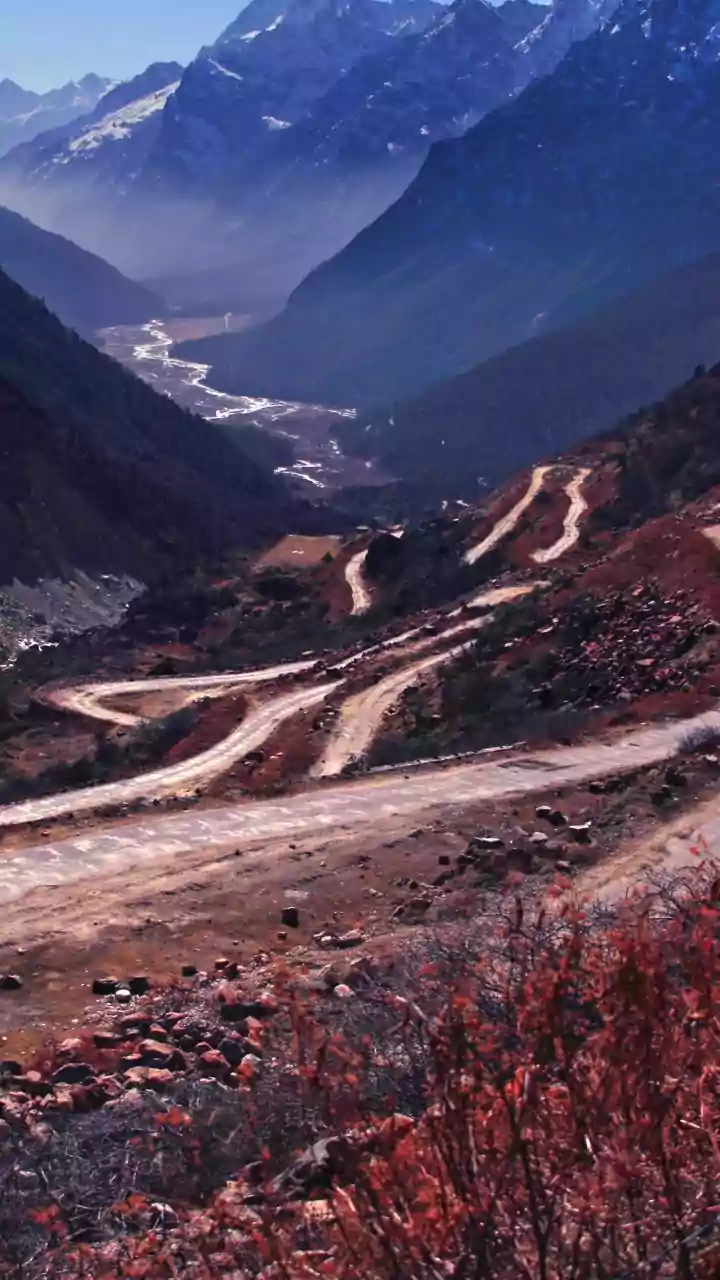
Dedicate your second day to an excursion to the breathtaking Tsomgo Lake, also known as Changu Lake. Located about 40 km from Gangtok at an altitude of 12,310 feet, this glacial lake is revered by locals and freezes over in winter. The journey itself is an adventure, passing through rugged mountain terrain. Nearby is Baba Mandir, a shrine dedicated to a soldier of the Indian army. Visiting these high-altitude areas requires a Protected Area Permit (PAP), which your tour operator can arrange. Indian nationals may also have the option to visit Nathula Pass on the Indo-China border, but this depends on weather conditions and permits. Return to Gangtok by evening.
Day 3: Journey to Picturesque Pelling
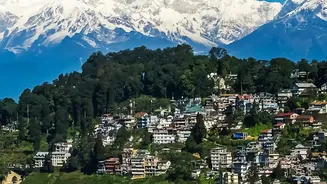
After breakfast, embark on a scenic road trip to Pelling in West Sikkim. The drive takes approximately 4 to 5 hours, covering a distance of about 115 km. The route is filled with picturesque landscapes, passing through small villages and offering glimpses of the Himalayas. You can make a stop at Ravangla to visit the Buddha Park, home to a majestic 130-foot statue of the Buddha, set against a backdrop of panoramic mountain views. Upon reaching Pelling, check into your hotel and enjoy the tranquil atmosphere. The town is famous for its incredible views of the Kanchenjunga mountain range.
Day 4: Monasteries, Ruins, and Skywalks in Pelling
Pelling offers a rich mix of history, culture, and nature. Start your day with a visit to the Pemayangtse Monastery, one of the oldest and most significant monasteries in Sikkim. From there, a short hike leads to the Rabdentse Ruins, the remnants of the second capital of the former Kingdom of Sikkim, offering a fascinating glimpse into the past and stunning views. A modern marvel not to be missed is the Pelling Skywalk, India's first glass skywalk, which offers a thrilling perspective over a deep gorge next to the towering Chenrezig statue. Also, visit the sacred Khecheopalri Lake, considered a wish-fulfilling lake by both Buddhists and Hindus.
Day 5: The Scenic Return Journey
After soaking in the serene beauty of West Sikkim, it's time to begin your journey back. Depending on your travel plans, you can either drive back to Gangtok, which takes around 5 hours, or head directly towards Siliguri or Bagdogra. The drive from Pelling to New Jalpaiguri (NJP) or Bagdogra is approximately 5 hours. Breaking the journey by returning to Gangtok can be more relaxed and allows for a final evening in the capital. This route gives you another chance to enjoy the mountain roads and perhaps stop at viewpoints you might have missed on the way up.
Day 6: Departure from the Himalayas
On your final day, enjoy a last Sikkimese breakfast. If time permits and you stayed the night in Gangtok, you could visit local spots like the Enchey Monastery or the Directorate of Handicrafts and Handlooms for some last-minute souvenir shopping. Afterwards, proceed to Bagdogra Airport or NJP Railway Station for your journey home. It is advisable to start at least 5-6 hours before your flight or train departure time to account for any potential traffic or road delays on the mountain route. You'll leave with memories of snow-capped peaks, serene monasteries, and the warm hospitality of the Himalayan people.