







The Rhythm of Risk
The southwest monsoon isn't just about the total volume of rain; its timing and distribution are critical. A 'monsoon break' or a prolonged dry patch occurs when the regular pattern of rainfall is interrupted for days or weeks. This year, after a delayed
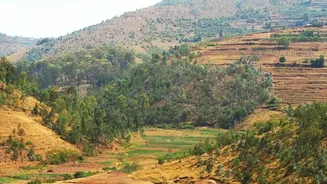
start, the monsoon has been worryingly inconsistent. As of mid-August 2026, the all-India rainfall deficit stood at 12% below the long-period average, a figure that hides severe regional variations. Experts stress that a few days of heavy rain cannot compensate for a long dry spell, which rapidly depletes soil moisture just when crops need it most. This unevenness is the central challenge, as many districts that experienced early-season showers are now struggling with a lack of follow-up rain.
Kharif Crops on the Edge
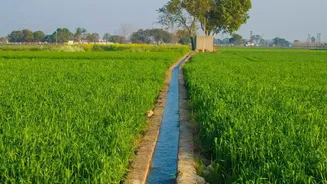
The timing of these dry spells is perilous, as many key kharif (summer) crops are entering their critical growth phases. Crops like soybean, maize, tur (pigeon pea), and paddy (rice) are particularly vulnerable. For soybeans, moisture stress in late August can disrupt flowering and pod formation, directly hitting yields. While irrigated regions can cushion the blow for rice, a staggering 40 of India's top 50 rice-producing districts are currently facing rainfall deficits. Across the board, sowing has been impacted, with total kharif acreage down by about 2% compared to last year as of August 14. The most significant declines in sowing have been seen in ragi (34%), tur (4%), and rice (3.7%).
Uneven Impact Across States
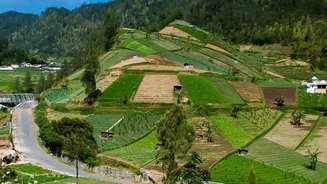
The monsoon's inconsistency is not felt equally across India. While central India has nearly erased its rainfall deficit, other regions are under significant stress. East and Northeast India face a sharp shortfall of 27%, while the south peninsula is 20% below average. Several major agricultural states are lagging significantly, including Bihar (-39%), East Uttar Pradesh (-31%), Punjab (-31%), and Jharkhand (-25%). In the south, Karnataka and Kerala are also experiencing deficits of over 20%. This patchiness means that while some areas may see a normal harvest, others are facing drought-like conditions that threaten livelihoods.
The Ripple Effect on Your Wallet
The fate of kharif crops has a direct link to household budgets across the country. Lower crop yields translate to tighter supply, which can lead to a spike in food prices. A weak monsoon often hits the output of essentials like rice, pulses, and vegetables, components that have a significant weight in India's Consumer Price Index (CPI). The Reserve Bank of India's Monetary Policy Committee has already flagged the uneven monsoon as a key risk, as higher food inflation can force interest rates to remain elevated for longer. This chain reaction, starting in the fields, eventually reaches every consumer in the form of more expensive groceries.
A Glimpse into a New Normal?
The erratic nature of the 2026 monsoon, influenced by a strengthening El Niño, is part of a larger, more worrying trend. Climate change is making monsoons more unpredictable, with long dry spells punctuated by extreme rainfall events becoming more common. This variability poses a long-term threat to India's food security. In response, the government is advising farmers to shift to short-duration and drought-tolerant crop varieties. Efforts are also underway to revise decade-old district contingency plans to better manage the agricultural stress caused by such weather patterns. For now, the agricultural sector remains on high alert, as the performance of the monsoon through the remainder of August and September will ultimately determine the fate of this year's harvest.