


Why a Quick Check Matters
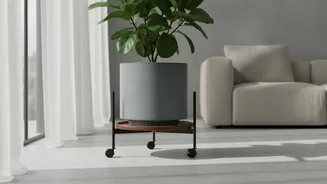
A plant stand does more than just display your greenery; it plays a crucial role in plant health and home safety. Elevation improves air circulation, which can reduce the risk of fungal diseases, and keeps plants away from floor-level pests. However,
an unstable stand is a liability. A collapse could not only kill a beloved plant but also damage flooring, break expensive pots, and create a hazard for pets and children. Regularly inspecting your stands is a simple, preventive measure that ensures they remain a beautiful and safe part of your home decor. It's a small time investment that protects your larger investment in your plants and home.
The Hunt for Rust and Water Damage
Rust is the primary enemy of metal plant stands, especially if they are used outdoors or if you occasionally overfill your watering can. Inspect joints, screws, and any areas where paint might be chipped or scratched, as these are common starting points for corrosion. For light surface rust, you can often scrub it away with a wire brush or steel wool. Once clean, applying a rust-inhibiting primer and a fresh coat of paint can make it look new again. For wooden stands, the equivalent danger is water damage. Look for discoloration, softened spots, or warping, especially on the shelves and at the base of the legs. Always use a saucer to catch excess water and wipe up spills promptly to prevent moisture from soaking into the wood.
Tackling the Wobble
A wobbly stand is an accident waiting to happen. The first step is to identify the cause. Start by ensuring all screws and bolts are tight, as these can loosen over time. If the hardware is secure, the wobble might be due to worn-out joints or an issue with the frame itself. On some wooden stands, adding wood glue to loose joints and clamping them until dry can restore stability. For some open-sided metal or wood stands, a wobble can be structural. Adding a diagonal or 'X' shaped brace at the back can dramatically increase rigidity without being too noticeable. Finally, consider where your plants are placed; putting the heaviest pots on the lowest and most central shelf helps to keep the centre of gravity low and improve stability.
Evening Out Uneven Legs
If your stand rocks back and forth, you likely have an uneven leg or an uneven floor. First, move the stand to a different spot you know is perfectly flat to determine if the problem is the stand or the floor. If the stand itself is the issue, one leg is probably shorter than the others. An easy fix for this is to use furniture pads, glides, or shims under the shorter leg. For a more permanent and discreet solution on wooden legs, you can trim a tiny amount from the longer legs until it sits level. However, for metal stands or if you are not comfortable with sanding, water-resistant plastic shims are a great, stable solution that won't rot or compress like a folded piece of cardboard might.
Simple Preventive Maintenance
The best way to deal with these problems is to prevent them. Regular maintenance can significantly extend the life of your plant stands. Clean them periodically, removing soil and dust from crevices where moisture can get trapped. Use appropriately sized drip trays to catch water and empty them after each watering. For outdoor stands, consider applying a coat of anti-rust oil or a protective sealer at the beginning of each season. Periodically check that all connections are tight and that the stand isn't showing signs of stress. By making these checks part of your regular plant care routine, you can ensure your stands remain safe, stable, and stylish for years to come.