






Starting a fitness journey is exciting, but the fear of joint pain can be a major hurdle. This guide explains how to choose exercises that protect your joints and how to build strength and endurance safely, one step at a time.
What Makes an Exercise 'Joint-Friendly'?
A joint-friendly workout
is one that minimizes stress and jarring impact on your joints, particularly your knees, hips, and ankles. These are often called 'low-impact' exercises. Instead of high-impact movements like running or jumping, they involve smooth, controlled motions. The goal is to raise your heart rate and strengthen your muscles without putting excessive strain on the delicate cartilage that cushions your bones. Water-based workouts are a perfect example; the buoyancy of water supports your body weight, reducing pressure on joints while still providing resistance to build muscle. This approach is ideal not only for beginners but also for individuals managing arthritis, recovering from injury, or simply aiming for a sustainable, long-term fitness routine.
The Best Low-Impact Exercises to Start With
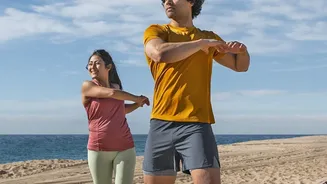
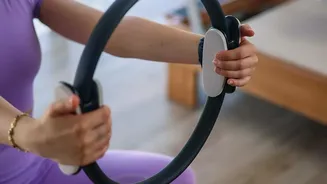
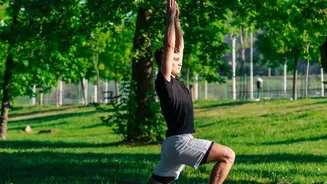
You have plenty of great options for getting started. Walking is one of the simplest and most accessible forms of exercise, strengthening bones and muscles while being gentle on joints. Swimming and water aerobics are considered top-tier for joint health because they provide a full-body workout with virtually no impact. Cycling, whether on a stationary bike or outdoors, is another excellent choice that builds leg strength to support the knees and hips without straining them. Elliptical machines also offer a fluid, low-impact cardio session that mimics running without the harsh impact. For flexibility and balance, gentle yoga, Pilates, and Tai Chi are highly recommended for improving range of motion and strengthening core stabilising muscles.
Don't Forget Strength Training
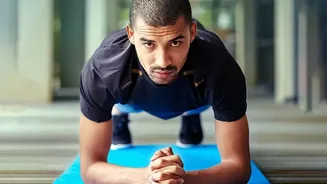
Cardio is important, but building muscle is crucial for long-term joint protection. Stronger muscles act as shock absorbers and stabilisers for your joints. This doesn't mean you need to lift heavy weights. You can start with bodyweight exercises like squats, pushups (on knees if needed), and planks. Resistance bands are another fantastic, lowcost tool for gently strengthening muscles without overloading the joints. The key is to focus on slow, controlled movements and proper form. Exercises that target the quadriceps, hamstrings, and glutes are particularly beneficial for supporting your knees and hips.
The Golden Rule: Gradual Progression
The biggest mistake beginners make is doing too much, too soon. The principle of 'progressive overload' states that your body must be challenged to adapt, but this challenge should be increased gradually. A good rule of thumb is to only increase one variable at a time: frequency (how often you work out), duration (how long), or intensity (how hard). For example, you might start by walking for 15–20 minutes, three times a week. After a week or two, you could increase the duration to 25 minutes, keeping the frequency and intensity the same. Once that feels comfortable, you might increase the frequency to four times a week. This patient, step–by–step approach allows your body to adapt and build resilience, dramatically reducing your risk of injury.
Listen To Your Body: Good Pain vs. Bad Pain
It's important to learn the difference between normal muscle soreness and pain that signals a problem. 'Good pain', often called Delayed Onset Muscle Soreness (DOMS), is a dull, achy feeling in your muscles that appears 24 to 48 hours after a workout. It's a sign that your muscles are adapting and getting stronger. 'Bad pain' is different. It's often sharp, stabbing, or localized to a specific joint. You might feel it during a particular movement, and it may be accompanied by swelling, clicking, or a reduced range of motion. While muscle soreness tends to fade within a few days, joint pain often persists or returns. If you experience sharp or persistent pain, it's a signal to stop and rest.