
The Challenge of Charting Another World
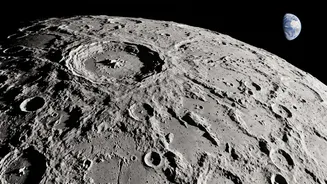
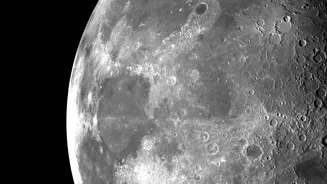
For decades, missions like NASA's Lunar Reconnaissance Orbiter (LRO) have beamed back petabytes of data, creating a massive but fragmented picture of the Moon. This information comes from different instruments on various spacecraft, each capturing data—like
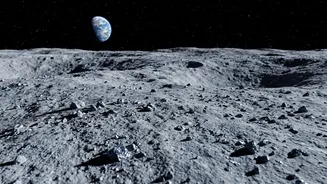
high-resolution images, thermal readings, or gravity maps—in different formats and scales. Manually piecing this digital puzzle together is a monumental task for scientists. The Moon’s lack of an atmosphere creates extreme lighting conditions, with deep, deceptive shadows that can hide dangerous craters or valuable resources. Compiling this disjointed data into a single, usable map has been a slow, computationally expensive process, hindering preparations for future missions that need to know precisely where to land and what to expect.
An AI Foundation for Lunar Discovery
To tackle this data bottleneck, NASA and IBM have jointly developed the NASA-IBM Lunar Foundation Model. Think of a foundation model as a base AI that has been trained on a vast amount of general information, which can then be fine-tuned for specific tasks. In this case, the model was trained on millions of lunar images and data points from multiple missions, including those from the US and Japan. By processing over 30 layers of spatial data, the AI learns to see the Moon in a holistic way, connecting observations that were previously isolated. This powerful tool, built on IBM's technology and now available to the public, is designed to give scientists a unified and intelligent view of the lunar surface.
From Disparate Data to Actionable Insights
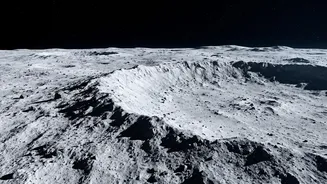
The model's true power lies in its ability to synthesize information and identify patterns that a human analyst might miss. For example, it can predict the stability of water ice in permanently shadowed craters by combining temperature and terrain data—a critical task for identifying resources for future astronauts. Finding lunar water would be a game-changer, as it could provide drinking water, breathable oxygen, and rocket fuel without the immense cost of launching it from Earth. The model also excels at crater detection, which is essential for dating the lunar surface and assessing landing risks. In tests, it outperformed other powerful AI models in identifying craters and potential ice deposits, in some cases by a significant margin.
Powering the Next Generation of Exploration
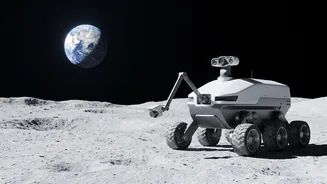
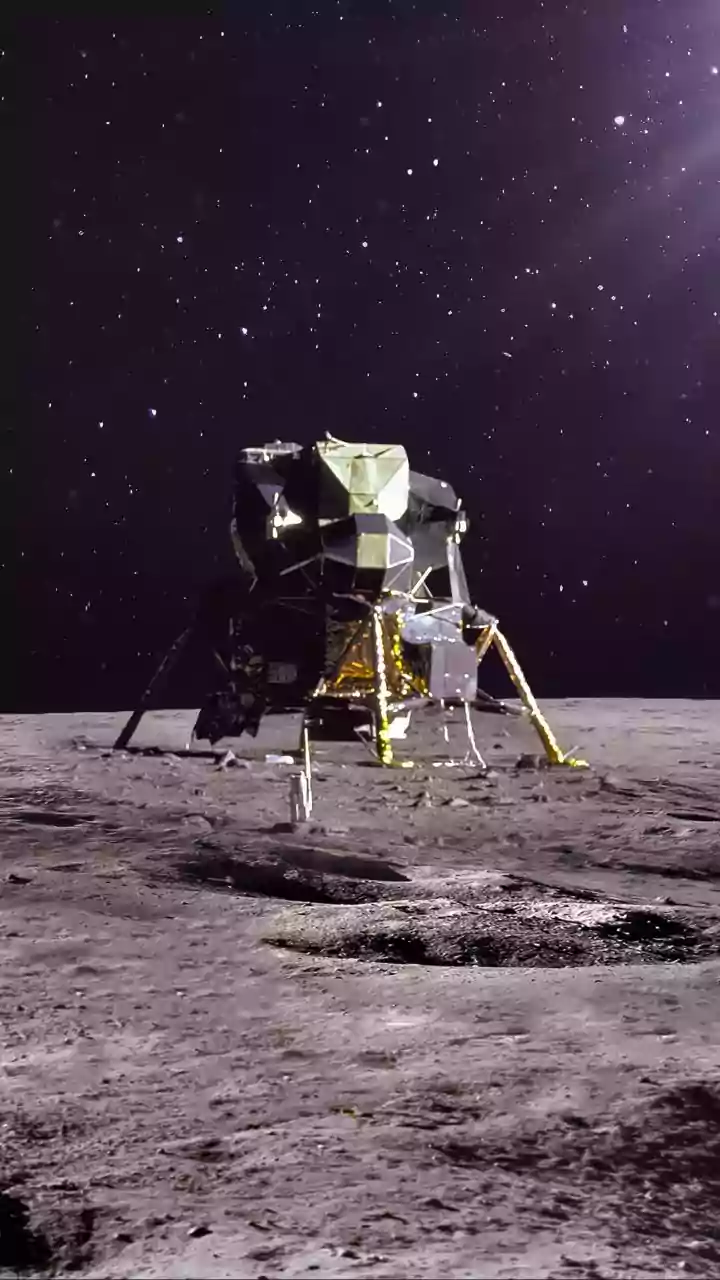
This advanced mapping capability is not just an academic exercise; it's a vital tool for the Artemis program and the future of a sustained human presence on the Moon. By providing a near street-level view of surface hazards, the model allows mission planners to select safer landing zones for astronauts and robotic missions. It also accelerates scientific discovery by quickly identifying unusual geological features, such as irregular mare patches, which challenge our understanding of the Moon’s volcanic history. Because the model is open-source, researchers worldwide can adapt it for their own specific investigations, from prospecting for minerals to studying the Moon's evolution. This collaborative approach promises to turn decades of archived data into new discoveries.