

The Golden Rule: Light Comes First
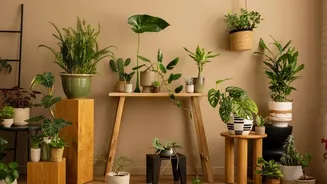
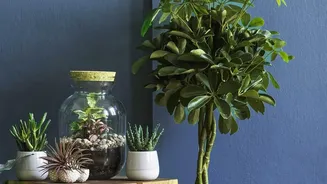
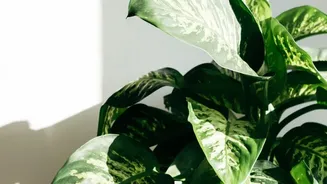
Before you fall in love with a plant at the nursery, look at your home environment. The amount of natural light a room receives is the most critical factor for a plant's survival. Most 'easy' houseplants thrive not because they are magical, but because they are adaptable
to a range of lighting conditions. Observe your space. Do you have bright, indirect light (a sunny room without direct sunbeams hitting the spot for hours)? Or is it low light (a room where you can comfortably read but is several feet from a window)? Knowing this will be your best guide. Don't try to force a sun-loving plant to survive in a dark corner; instead, choose a plant that naturally thrives in those conditions.
The Most Common Mistake: Overwatering
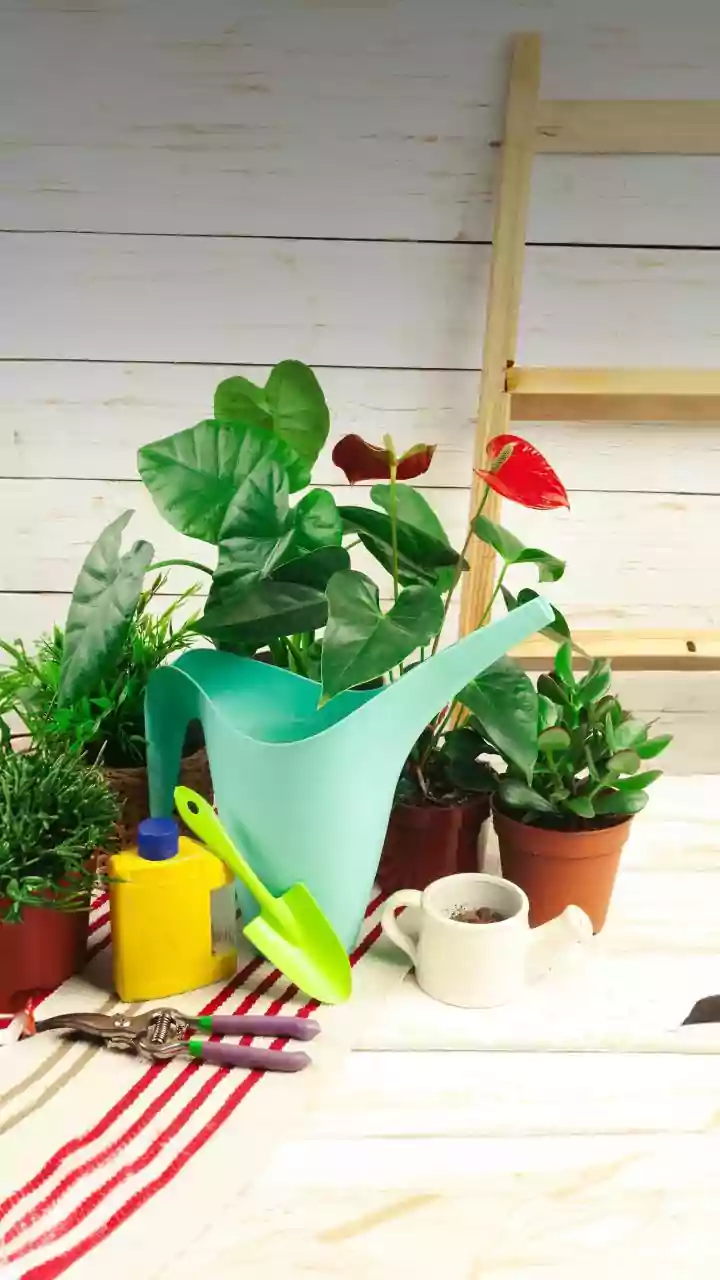
More beginners kill their plants with kindness than neglect. Overwatering is the number one cause of houseplant demise. Foolproof plants are often drought-tolerant, meaning their roots hate sitting in soggy soil, which leads to rot. A simple rule is to check the soil. Stick your finger about an inch or two into the pot. If it feels dry, it's time to water. If it's still damp, wait a few more days. When you do water, do it thoroughly until water runs out of the drainage holes at the bottom of the pot, then discard the excess water. This ensures the roots get a good drink without being waterlogged.
The Unkillable Classic: Snake Plant
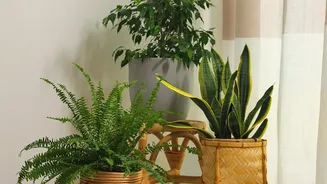
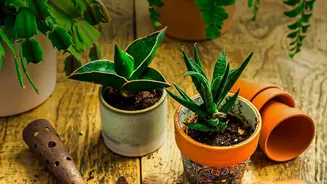
The Snake Plant (Dracaena trifasciata) is the ultimate beginner's plant, celebrated for its tolerance of neglect. Its striking, upright leaves add a modern, architectural element to any room. It is highly adaptable, thriving in everything from bright, indirect light to low-light corners. In fact, too much direct sun can scorch its leaves. The Snake Plant is also a succulent, meaning it stores water in its leaves and is extremely drought-tolerant. You only need to water it when the soil is completely dry, roughly every 2-8 weeks depending on light and humidity. It's the perfect choice for busy people or those who travel often.
The Resilient Beauty: ZZ Plant
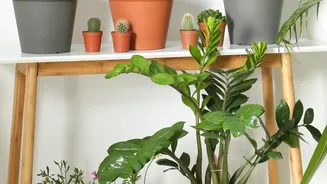
The Zamioculcas zamiifolia, or ZZ Plant, is so low-maintenance it's practically self-sufficient. With its wide, dark green, glossy leaves, it looks elegant and requires almost no fuss. It is renowned for its ability to thrive in low-light conditions, making it ideal for apartments and offices. Like the Snake Plant, the ZZ Plant has rhizomes (fleshy underground stems) that store water, making it highly resistant to drought. You should let the soil dry out completely between waterings, typically every two to three weeks. It’s a slow grower, so you won’t have to worry about it quickly outgrowing its space.
The Eager Grower: Money Plant (Pothos)
Known in India as the Money Plant, Golden Pothos (Epipremnum aureum) is a fast-growing vine that signals its needs clearly, making it great for learning. Its heart-shaped leaves can be solid green or variegated with yellow or white. Pothos is very adaptable to different light levels, though it will show more variegation in brighter, indirect light. It can tolerate lower light, though its growth may slow. The plant is forgiving if you forget to water it, and its leaves will start to droop slightly when thirsty, bouncing back quickly after a drink. You can let it trail from a hanging basket or train it to climb, adding a lush, jungle-like feel to your home.
The Prolific Purifier: Spider Plant
The Spider Plant (Chlorophytum comosum) is a retro classic that is both charming and incredibly easy to grow. It has arching leaves and produces 'spiderettes', or baby plants, that dangle from the mother plant like spiders, which can be easily propagated. It prefers bright, indirect light but is adaptable to lower-light situations. Spider plants are also known for their air-purifying qualities. They are non-toxic, making them a safe choice for homes with pets. Water them when the top inch or two of soil is dry; they are more tolerant of being too dry than too wet.