



Your Window, Your Canvas
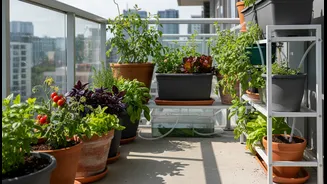
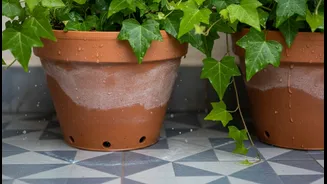
The first step is choosing your container. Window boxes come in a variety of materials, including wood, terracotta, metal, and plastic. For Indian conditions, terracotta is a classic choice, offering excellent breathability for plant roots. Lightweight
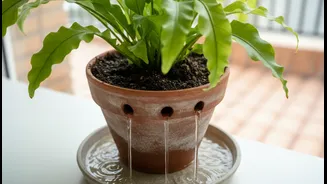
plastic or resin planters are also practical, especially for higher floors. Whatever your choice, ensure it has drainage holes. Without proper drainage, water will pool at the bottom, leading to root rot. If your chosen box doesn't have holes, it's easy enough to drill a few yourself. Also, consider the size. A deeper box will hold more soil and moisture, meaning less frequent watering for you and more room for roots to grow.
A Palette of Perfumes
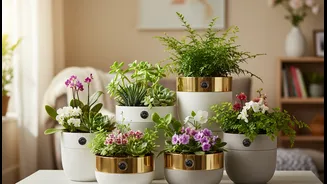
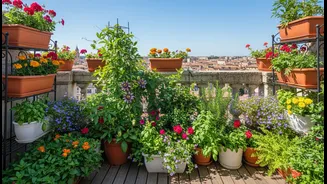
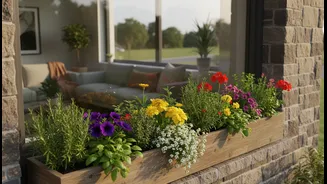
The magic of a fragrant window box lies in its plants. You can create a personal aromatherapy station right outside your window. For Indian climates, several fragrant heroes thrive in containers. Mogra (Arabian Jasmine) is a must-have; its intoxicating scent intensifies in the evening, perfect for a bedroom window. Similarly, Raat Ki Rani (Night-blooming Jasmine) can perfume an entire room from a small pot. Rajnigandha (Tuberose) offers an intense, sweet fragrance from its tall, elegant stalks. For something more delicate, consider Juhi or Parijat, the latter of which drops its fragrant flowers each morning. Beyond traditional favourites, Lavender is another excellent choice, known for its calming properties. While it prefers cooler climates, some varieties adapt well with full sun and good drainage. Sweet Alyssum is a fantastic filler plant, producing dense clusters of tiny, honey-scented flowers that can spill beautifully over the sides of the box.
Don't Forget Aromatic Herbs
Flowers aren't the only source of fragrance. Aromatic herbs are dual-purpose wonders, offering scent for your home and fresh flavours for your kitchen. Mint (Pudina) is incredibly easy to grow and its refreshing scent is a delight on a warm day. Just be sure to keep it in its own section, as it can be an aggressive grower. Lemon balm offers a zesty, citrusy aroma, while the robust fragrance of Rosemary can fill the air, especially after a light rain. Basil, particularly varieties like Cinnamon or Thai Basil, also provides a sweet, spicy scent. Many herbs are sun-loving and thrive in the contained environment of a window box. Just brushing past them or having a breeze blow through is enough to release their wonderful scents.
Planting Your Perfumed Paradise
Once you have your box and your plants, it's time to get your hands dirty. Start with a good quality potting mix, not garden soil, which can be too heavy and compact in a container. A mix of soil, coco peat, and compost provides a light, nutritious, and well-draining medium. When arranging your plants, think in layers—a concept often called 'thriller, filler, and spiller'. Place a taller, statement plant (the 'thriller') like a small Rajnigandha or Rosemary in the middle or back. Add mounding plants (the 'fillers') like Mogra or Lavender around it. Finally, add trailing plants (the 'spillers') like Sweet Alyssum or a variety of Thyme around the edges to cascade over the sides. Don't overcrowd the box; give your plants some room to grow. Water them well after planting to help them settle in.
Care and Connection
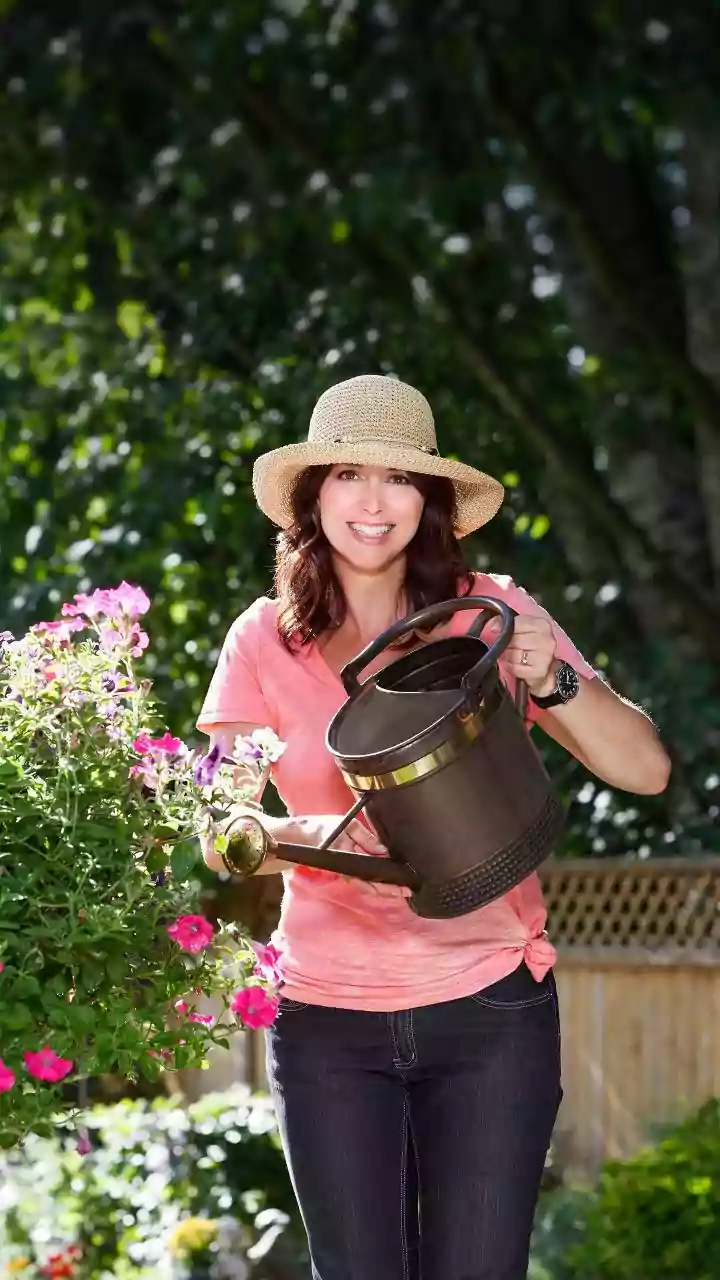
Maintaining your fragrant window box is simple. Check the soil every day or two; when the top inch feels dry, it's time to water thoroughly until you see it run out the drainage holes. Most fragrant plants, especially flowers, need at least 4-6 hours of sunlight to produce abundant blooms and strong scents. Regularly remove any spent flowers, a process known as deadheading, to encourage the plant to produce more blooms. The benefits go far beyond aesthetics. The simple act of caring for plants can reduce stress, and the natural fragrances can boost your mood and promote relaxation. It’s a small effort for a significant return in well-being.