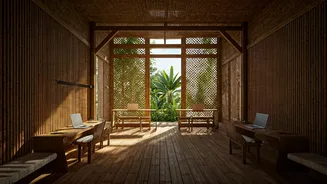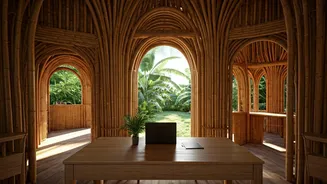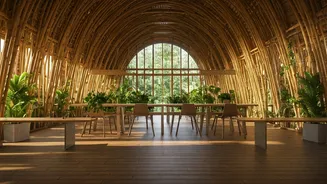









What are Bamboo Work Hubs?
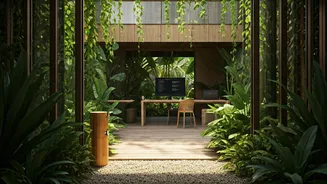
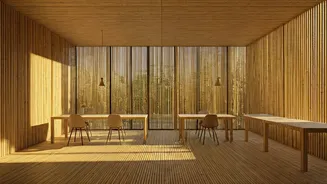
Forget the sterile, air-conditioned co-working spaces of metropolitan India. Picture this instead: an open-air pavilion where the walls are woven from bamboo, the roof is thatched, and a gentle breeze serves as natural air conditioning. These aren't just
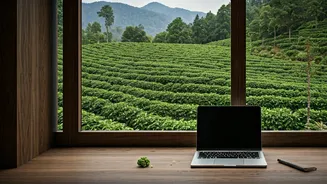
rustic huts; they are fully-equipped, modern offices architecturally designed to blend with nature. This movement combines Thailand’s rich tradition of bamboo construction with the contemporary needs of the digital nomad. It’s less of a formal brand and more of a design philosophy that prioritises natural materials, open spaces, and a seamless connection to the lush tropical surroundings found in places like Chiang Mai, Pai, and the southern islands.
The Sustainability Promise
The choice of bamboo is intentional and speaks to a growing desire among professionals for a more eco-conscious lifestyle. Bamboo is a type of grass, not a tree, and is one of the fastest-growing plants on Earth. Some species can grow several feet in a single day. It requires no pesticides, very little water, and regenerates from its own roots, so it doesn't need to be replanted. When used as a primary building material, it has a significantly lower carbon footprint than concrete and steel. For the hybrid worker who is conscious of their environmental impact, choosing a workspace built from renewable, locally sourced materials is a powerful statement. It transforms the daily grind into an act that feels restorative for both the worker and the planet.
Designed for Deep Work
While the aesthetic is tranquil, these hubs are built for serious productivity. The foundational requirement for any digital worker—high-speed, reliable internet—is a given. But the benefits go further. The architectural design often incorporates principles of biophilia, the idea that humans have an innate tendency to seek connections with nature. Studies have shown that working in environments with natural light, greenery, and organic materials can reduce stress, enhance creativity, and improve focus. These bamboo hubs offer dedicated quiet zones for deep work, collaborative tables for team brainstorming, private pods for calls, and, of course, comfortable ergonomic seating. They prove that you don't have to sacrifice functionality for sustainability.
Community and Connection
One of the biggest challenges of remote work can be isolation. These hubs are designed to combat that by fostering a strong sense of community. They function as social centres, hosting everything from skill-sharing workshops and networking events to group yoga sessions and community dinners. This is particularly appealing for solo travellers or those new to the digital nomad lifestyle. You’re not just renting a desk; you’re buying into a community of like-minded individuals from around the world. For an Indian professional, it’s an incredible opportunity to build a global network, collaborate on projects, and exchange ideas with people from diverse backgrounds, all within a supportive and inspiring setting.
The Thai Advantage
Why Thailand? The country has long been a favourite for Indian travellers due to its proximity, affordability, and world-renowned hospitality. The visa situation is often favourable, and the cost of living is significantly lower than in major Indian metros like Mumbai or Bengaluru. Your money simply goes further. This means you can afford a higher quality of life—better food, more wellness activities, and weekend trips to pristine beaches or mountain retreats—all while staying productive. The legendary Thai street food, the vibrant culture, and the emphasis on a balanced, 'sabai sabai' (easy-going) lifestyle create the perfect backdrop for a fulfilling and sustainable work-life integration.