






The Check-Out Clock is Your Anchor
A hotel's check-out time, typically between 10 a.m. and 12 p.m. in India, isn't just a deadline for vacating your room; it's the anchor for your entire day's schedule. This fixed point dictates your transport plans, your luggage situation, and, most critically,
your access to a comfortable meal. Ignoring it can lead to a long, hungry gap between a rushed morning and a late-night arrival at your next destination. Planning your meals around this one event can be the difference between a smooth, energised journey and a stressful, 'hangry' travel day. The period immediately following check-out is often the most chaotic, as you're likely in transit, laden with bags, and without a home base, making a spontaneous, sit-down meal a significant challenge.
To Breakfast, or Not to Breakfast?
The first major food decision of the day happens before you even check out. Do you take full advantage of the hotel's breakfast buffet, or grab something light? A substantial, balanced breakfast can fuel you for hours, potentially allowing you to skip a formal lunch altogether. This strategy works best if you have a short transit time. However, if you have an early start or prefer a lighter meal, skipping a heavy breakfast can also be a valid choice. Some travelers find that a lighter start, perhaps combined with a form of intermittent fasting, prevents feeling sluggish. But be warned: intentionally skipping meals without a plan can backfire, leading to low blood sugar, fatigue, irritability, and poor concentration just when you need to be alert.
Navigating the Post-Checkout Food Desert
This is the trickiest part of the day. You've checked out, but it's too early to check into your next hotel, which often has check-in times between 12 p.m. and 3 p.m. You're in a nutritional no-man's-land. Trying to find a restaurant, manage your luggage, and watch the clock is a recipe for stress. This is where pre-planning becomes a superpower. Before leaving your hotel, use your phone to identify a few suitable lunch spots near your next destination or along your travel route. If you have luggage, look for places that are either quick, like a reliable cafe, or are located inside a mall or near a cloakroom where you can store your bags. Rushing to find food at the last minute often leads to unhealthy, unsatisfying choices from whatever is most convenient, rather than what is best for your energy levels.
Strategic Snacking is Not a Compromise
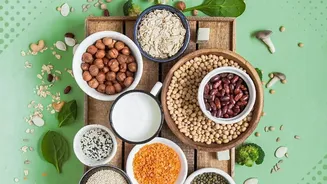
Smart snacking is the key to bridging the meal gap successfully. On travel days, snacks aren't just a treat; they are a strategic tool to maintain energy and avoid desperate, unhealthy choices. Instead of relying on fried or sugary station snacks, pack your own. Excellent, travel-friendly options for Indian journeys include nuts and seeds, roasted makhana (fox nuts), homemade chivda, whole fruits like bananas and apples, or even a simple paneer or vegetable wrap. These items are mess-free, don't require refrigeration, and provide a mix of protein, fibre, and healthy fats to keep you feeling full and stable. A well-packed snack can turn a long wait for your next meal into a manageable pause.
Planning Your Arrival Meal
Your food strategy shouldn't end when you reach your destination city. It ends when you've had your next proper meal. As you travel, think about your arrival. Will you get to your new hotel with enough time to find dinner? Or will you arrive late, tired, and faced with limited options? If you anticipate a late arrival, consider having an early, substantial dinner before you reach your final stop. Alternatively, have a filling snack on hand that can serve as a light meal if needed. Looking up restaurants near your new hotel that are open late can also save you a lot of grief. Arriving with a clear plan for your first meal at your destination removes the final layer of travel-day stress, allowing you to settle in and relax.