



The Cardio Question: Heart Health
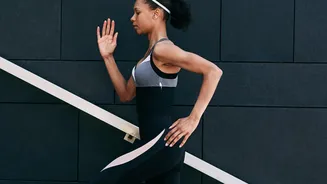
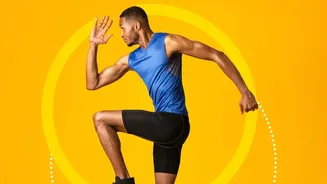
Both running and dancing are fantastic for your cardiovascular system. Running is a well-established method for improving heart health, strengthening the heart muscle, and boosting circulation. It's a weight-bearing exercise that helps build strong bones.
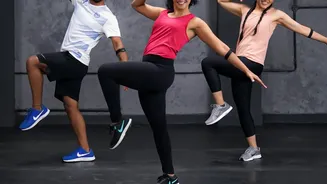
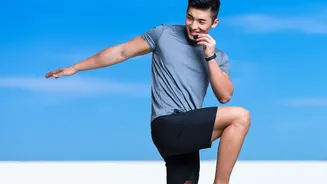
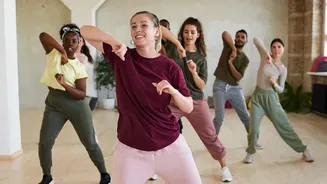
Dancing, particularly energetic styles like swing or even a high-energy Zumba class, also provides an excellent aerobic workout. It elevates your heart rate and gets your blood pumping, with some studies suggesting dancing can lower the risk of cardiovascular disease even more than walking. The key difference is in the movement; running is linear and repetitive, while dancing involves multi-directional movements that challenge your body in different ways.
Calorie Burn and Weight Management
When it comes to pure calorie burn in a set amount of time, running often has the edge. It's a high-impact, high-intensity activity that torches calories efficiently. A 30-minute run can burn significantly more calories than a 30-minute general dance session. However, this isn't the whole story. Some research has found that certain vigorous dance styles, like contemporary or street dance, can burn more calories than running over the same period because of the constant acceleration and deceleration. The variety in dance movements can also use different muscle groups, which may prevent the body from 'getting used to' the exercise and can help with calorie expenditure. Ultimately, the intensity you bring to either activity will determine the final count.
Muscle Strength and Toning
Running is fantastic for building lower-body strength, particularly in the glutes, hamstrings, and calves. It also engages your core for stability. Dancing, however, often provides a more full-body workout. It incorporates movements on all planes of motion, engaging the arms, back, and core in ways running doesn't. The constant shifting of weight, turning, and balancing improves coordination, agility, and flexibility. While running builds powerful, forward-propelling muscles, dancing creates functional strength and control through a wider range of motion, helping to activate smaller, stabilizing muscles.
The Consistency Factor: Which Will You Stick With?
This is perhaps the most critical point. The best exercise is the one you do consistently. For many, running can feel like a chore, a discipline to be endured. Dancing, on the other hand, is often described as more fun and habit-forming. The enjoyment factor—the music, the social aspect of a class, the creativity—can be a powerful motivator that keeps you coming back. If you dread the thought of lacing up your running shoes, you're less likely to maintain the habit. But if a dance class feels like a party, you'll look forward to it, making consistency feel effortless.
Injury Risk and Accessibility
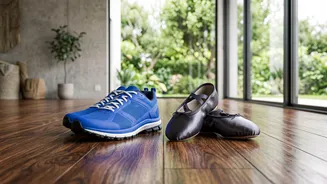
Running is a high-impact activity, which carries a risk of stress on joints like the knees, hips, and ankles. Proper footwear and form are crucial to mitigate this risk. Conversely, many forms of dance are considered moderate or lower impact. However, dancing is not without risk; overuse injuries can occur from repetitive movements, and poor technique in forms like ballet can lead to strain. In terms of accessibility, running wins for simplicity—all you need is a pair of shoes and a place to go. Dancing might require a class or studio, but countless online tutorials and at-home options have made it more accessible than ever.
Mind and Mood: The Mental Health Boost
Both activities are proven mood boosters, stimulating feel-good brain chemicals like endorphins. The famous 'runner's high' provides a sense of well-being and can help lower stress. Studies show that even short, regular runs can reduce the risk of depression. Dancing offers similar, and sometimes enhanced, mental benefits. It has been found to improve emotional well-being and cognitive function, such as memory. The combination of physical movement, music, and often social interaction can be a powerful antidote to stress and anxiety, with some research suggesting it's more effective than other physical activities for improving psychological wellbeing.