





What Exactly Are Refined Oils?
Before we dive into the 'why', let's cover the 'what'. Refined oils are plant-based oils—like sunflower, soybean, canola, and corn oil—that have undergone extensive industrial processing to make them more stable, have a neutral flavour, and a high smoke
point. This process often involves high heat and chemical solvents, such as hexane, to extract the maximum amount of oil from the seed. Afterwards, the oil is often bleached to remove colour and deodorised to remove any smell. The end product is a clear, bland oil that is cheap and has a long shelf life. For decades, these were marketed as the 'heart-healthy' alternative to traditional fats like ghee and butter, but the tide is now turning.
The Inflammation Connection
The primary health concern cited by this new wave of fitness enthusiasts is inflammation. Many common refined vegetable oils are extremely high in Omega-6 polyunsaturated fatty acids. While Omega-6 is an essential fatty acid, modern diets have skewed the balance dramatically. An ideal ratio of Omega-6 to Omega-3 fatty acids is thought to be around 1:1 or 4:1. However, with the prevalence of processed foods and refined oils, many people consume a ratio closer to 20:1. Health experts and nutritionists who cater to the fitness community argue that this imbalance can promote chronic inflammation in the body, which is linked to a host of health issues, from joint pain and slower recovery after workouts to more serious chronic diseases. For a gymgoer focused on muscle recovery and peak performance, avoiding potential sources of inflammation is a top priority.
The Return to 'Kacchi Ghani' and Ghee
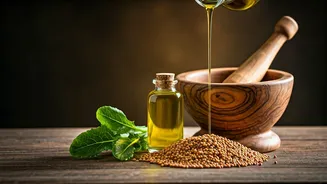
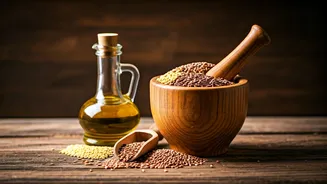
So, what are they using instead? The answer lies in a return to tradition. This generation is championing the fats their grandparents and great-grandparents used. Cold-pressed oils, known in India as 'kacchi ghani,' are leading the charge. Oils like mustard, groundnut, and sesame, when cold-pressed, are extracted without high heat or chemical solvents. This process retains more of the oil's natural nutrients, antioxidants, and flavour. Similarly, desi ghee has made a major comeback. Once unfairly vilified, it is now celebrated for its healthy saturated fats, fat-soluble vitamins (A, E, D, K), and high smoke point, making it excellent for Indian cooking. Coconut oil is another favourite, particularly in the South, valued for its medium-chain triglycerides (MCTs) which are metabolised differently and provide quick energy.
A Philosophy of 'Clean' and 'Whole'
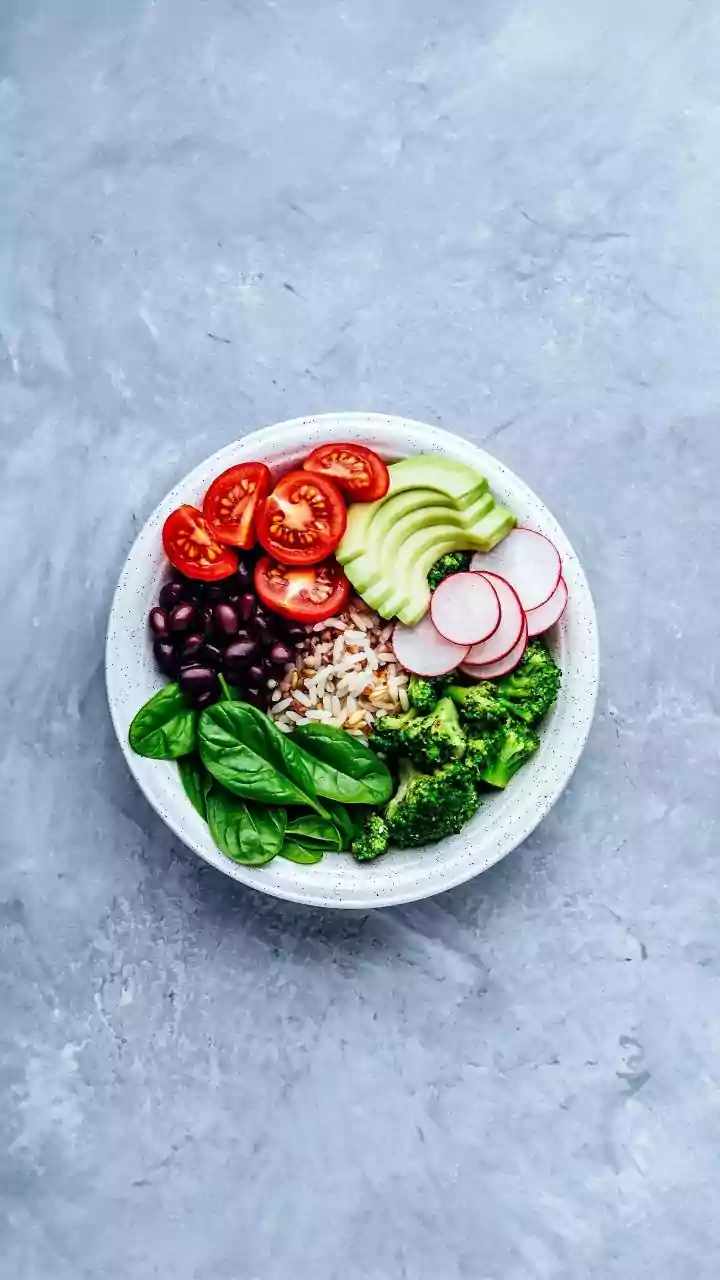
The rejection of refined oils is part of a larger wellness philosophy that prioritises 'clean' and 'whole' foods. For Gen Z, health is not just about avoiding fat or counting calories; it's about understanding ingredients. They are avid label-readers and are wary of anything 'ultra-processed'. Refined oil, with its history of chemical extraction and industrial manipulation, is the poster child for the kind of food product they want to avoid. This mindset prefers foods that are as close to their natural state as possible. The logic is simple: an oil pressed from a seed with minimal intervention is inherently better than one that has been chemically altered, stripped of its nutrients, and bottled in a factory.
Is It Just a Trend?
While the wellness world is full of fads, this shift appears to be rooted in a growing body of nutritional science that questions the long-term benefits of highly processed foods. The emphasis on reducing inflammation and consuming nutrient-dense, whole foods is a principle that most nutritionists can get behind. The gym-going Gen Z is simply at the forefront, using their social media platforms and community discussions to spread the message. They are voting with their wallets, creating demand for cold-pressed and traditional options that were once considered old-fashioned. This isn't just about being anti-oil; it's about being pro-health and pro-information.