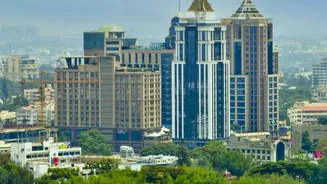

The term 'concrete jungle' suggests a place hostile to nature. Yet, look closer and you'll find that cities are becoming surprising new frontiers for wildlife, offering unexpected opportunities for adaptable animals to not just survive, but thrive.
The Accidental Urban Oasis
At
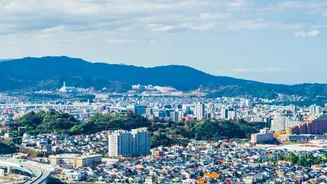
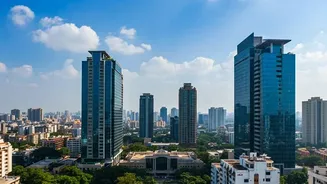
first glance, a city seems like the worst possible place for a wild animal. Natural landscapes are fragmented by roads and buildings, and native vegetation is replaced with concrete and steel. However, for certain species, the urban environment isn't a desert but an oasis brimming with resources. Cities are often warmer than surrounding rural areas, an effect known as the urban heat island, which can be beneficial during colder months. They offer an abundance of food, from overflowing rubbish bins and restaurant leftovers to intentionally planted gardens and bird feeders. Man-made structures also provide novel forms of shelter; skyscrapers become cliffs for peregrine falcons, bridges and attics mimic caves for bats, and sewer systems create underground highways for rodents and other creatures.
Meet Your New Neighbours
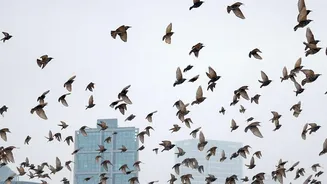
The cast of urban wildlife is far more diverse than just pigeons and rats. In cities across North America, coyotes have become masters of the metropolitan landscape, using railway lines and parks as corridors and adapting to a nocturnal lifestyle to avoid humans. Their success lies in their intelligence and highly flexible diet. In Europe, red foxes have become so common in cities like London and Vienna that they are now a regular sight, raising cubs in backyard sheds and navigating complex road networks. Even more surprising are species like peregrine falcons, which were once pushed to the brink but have made a remarkable comeback by nesting on the ledges of tall buildings, where they have a perfect vantage point to hunt the abundant city pigeons.
Survival of the Smartest and Boldest
Not every animal can make it in the city. Success depends on a specific set of traits. Generalist species that can eat a wide variety of foods, like raccoons and crows, have a distinct advantage over specialists. Crows have been observed using cars to crack nuts, a stunning example of problem-solving. Behavioural flexibility is key. Animals that can learn to navigate new challenges and tolerate the constant presence of people, noise, and light are more likely to succeed. Scientists have found that urban animal populations often show signs of being bolder and more resilient to stress than their rural counterparts. This process, where the urban environment filters for certain traits, is a form of rapid evolution in action, shaping smarter, tougher city critters.
The Challenges of Cohabitation
This growing proximity between humans and wildlife is not without friction. Raccoons breaking into bins, deer eating manicured gardens, and coyotes posing a perceived risk to pets are common sources of conflict. As animals lose their natural fear of humans, interactions can become more frequent and potentially problematic. However, these challenges also present an opportunity. Many city dwellers find that seeing wildlife provides a vital connection to the natural world, improving mental well-being and fostering an appreciation for conservation. The presence of diverse species can also be an indicator of a healthy local environment.
Designing the City of the Future
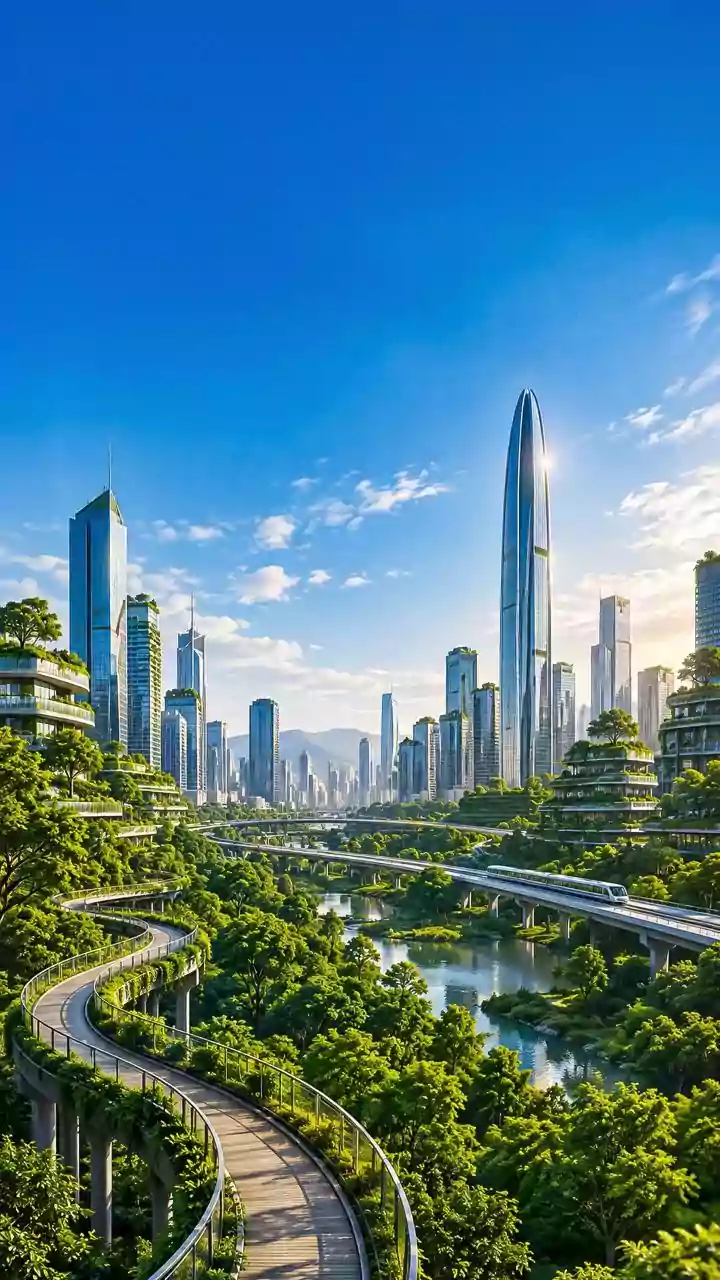
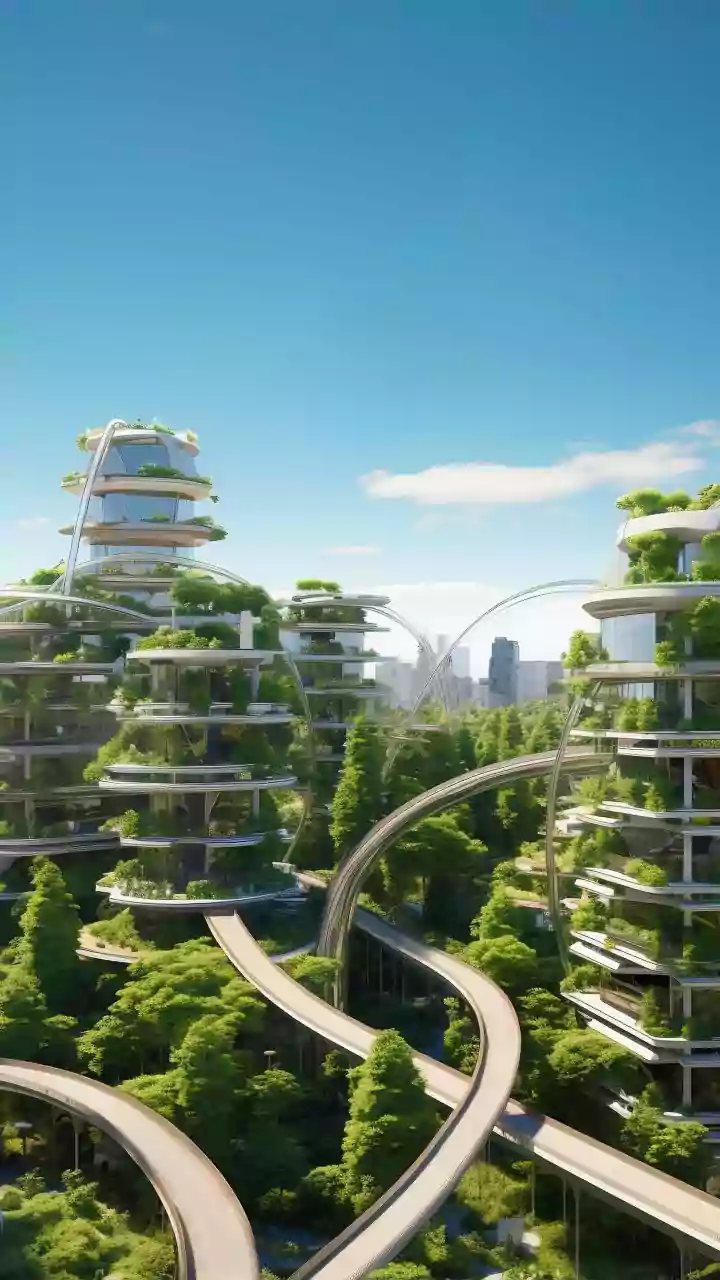
Recognizing that we share our urban spaces, city planners and conservationists are increasingly working to make cities more wildlife-friendly. This includes creating and connecting green spaces through wildlife corridors—strips of parkland, green roofs, or even simple tree-lined streets that allow animals to move safely between habitats. Promoting the use of native plants helps support local insects and birds. Infrastructure can also be designed with animals in mind, such as by building underpasses beneath busy roads. By thoughtfully integrating nature into urban design, we can mitigate conflict and help foster a new kind of ecosystem where both people and adaptable wildlife can coexist and flourish.