


The Body's Secret Calming Pathway
Deep within our nervous system lies the vagus nerve, the longest cranial nerve in the body. Think of it as the main highway of your parasympathetic nervous system, better known as the 'rest and digest' system. While the 'fight or flight' response revs
you up in a crisis, the vagus nerve does the opposite: it slows your heart rate, aids digestion, and brings a sense of calm. Activating this nerve is key to quickly shifting your body out of a high-stress state. A healthy vagal tone—which refers to the activity of the vagus nerve—is associated with better mental well-being and an improved ability to relax after a stressful event.
Unlocking Your 'Inner Dolphin'
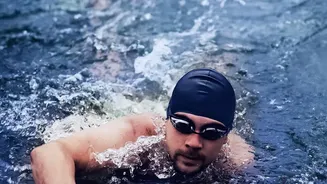
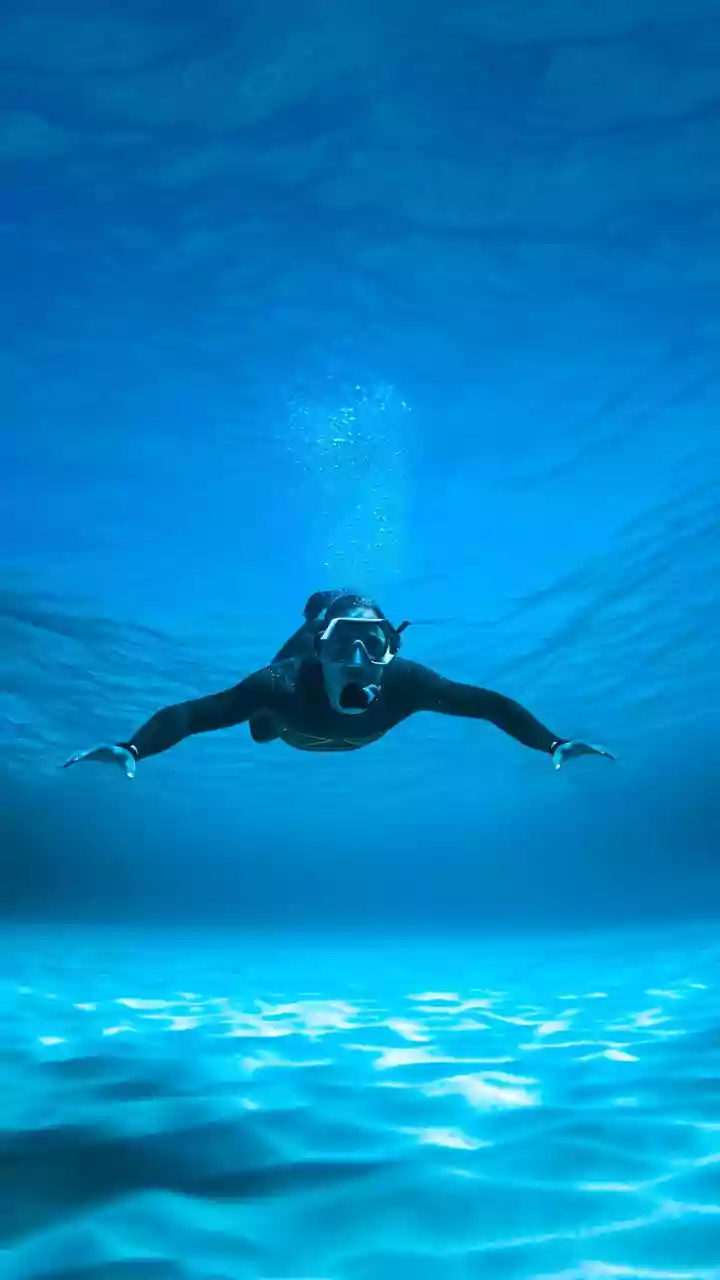
The secret to using cold water for stress lies in a fascinating, primal mechanism called the mammalian diving reflex. This reflex is an automatic physiological response present in all mammals, including humans, that activates when our face is submerged in cold water. Its primary purpose is to conserve oxygen for survival underwater. When cold water hits the skin on your face, particularly around the cheeks and eyes, it triggers nerves that send a powerful signal to the brain. This signal then activates the vagus nerve, initiating a cascade of calming effects throughout your body.
From Cold Shock to Instant Calm
So, what happens when this reflex kicks in? The first and most immediate effect is a slowing of your heart rate, a condition known as bradycardia. This is your body’s way of conserving energy. Simultaneously, blood vessels in your limbs constrict, redirecting blood flow to your vital organs like the brain and heart. This rapid physiological shift effectively short-circuits the acute stress response. Instead of your heart racing and your breathing becoming shallow, the diving reflex encourages your body to slow down, helping to interrupt feelings of panic or intense anxiety almost immediately.
How to Do It: A Practical Guide
Ready to try it? You don't need an ice bath to get the benefits. All you need is a bowl of cold water. For the most effective response, the water should be below 15 degrees Celsius. Fill a large bowl or your sink with cold water; you can add a few ice cubes to speed up the chilling. Take a deep breath and hold it, then lean forward and submerge your face for 15 to 30 seconds. Ensure the water covers your forehead, eyes, and cheeks to properly trigger the reflex. After the time is up, lift your face, exhale, and breathe normally. You can repeat this a few times if you feel it’s necessary, listening to your body's response.
Things to Keep in Mind
While this technique is a powerful tool for managing acute stress, it's important to be mindful. The effects are generally temporary but can be incredibly useful for grounding yourself in a moment of overwhelm. Beyond stress relief, some people find that regular cold water exposure can reduce facial puffiness and give the skin a refreshed appearance, although these cosmetic effects are also short-lived. However, the sudden shock of cold water is not for everyone. People with pre-existing cardiovascular conditions, such as heart issues or blood pressure problems, should exercise caution and consult a doctor before trying this technique. The sudden change can put a strain on the heart that could be risky for some individuals.