






The New Allure of a Rainy Day
Not long ago, the monsoon was considered a lean season for travel, a time for cancelled plans and indoor confinement. That perspective is rapidly changing. Recent travel data reveals a significant surge in monsoon tourism, with hotel and transport bookings
rising sharply across the country. This isn't just a return to travel; it's a fundamental shift in what people seek. Travellers are increasingly looking for immersive, nature-led, and offbeat experiences, driven more by personal interests than by traditional itineraries. The desire is to trade crowded cities for the tranquillity of rain-soaked landscapes, misty hills, and cooler temperatures, turning the monsoon itself into the main attraction.
What Makes a Destination 'Green'?
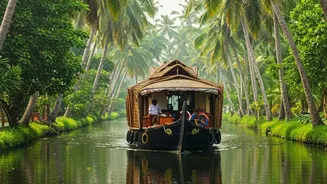
The term 'green' in this context means more than just lush foliage. It points towards a broader, more conscious approach to travel known as sustainable tourism. This involves choosing destinations that not only offer spectacular natural beauty but also prioritise environmental conservation and community well-being. A green getaway might mean staying in an eco-friendly resort, participating in activities that have a low environmental impact, or choosing a location that benefits from tourism without suffering from over-commercialisation. It's a choice that reflects a growing awareness among Indian travellers, many of whom now prioritise sustainability when planning their trips, transforming personal values into travel decisions.
Misty Hills and Forest Retreats
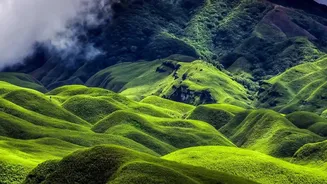
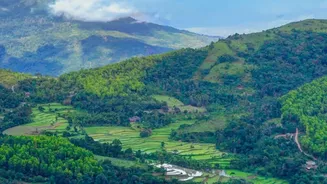
Hill stations are the classic monsoon escape, and for good reason. During the rains, destinations across the Western Ghats and the Himalayas transform into verdant paradises. Places like Wayanad in Kerala have seen an explosive growth in bookings, with travellers drawn to its mist-covered coffee plantations and forests. Similarly, Kodaikanal, Coorg, and Ooty are experiencing a renaissance, their scenic beauty enhanced by the season. Beyond these favourites, offbeat gems like Malshej Ghat in Maharashtra offer dramatic roadside waterfalls, while the northeastern states of Nagaland and Arunachal Pradesh are emerging as hotspots, with bookings up significantly as people seek out their unique, rain-washed landscapes.
Coastal Escapes and Heritage Hideaways
While hills are a major draw, coastal and heritage destinations are also seeing a monsoon surge. Goa and Pondicherry have recorded remarkable growth in hotel bookings, as travellers discover the unique charm of the coast during the rains—less crowded beaches and a lush, vibrant atmosphere. Even the arid landscapes of Rajasthan offer a different kind of magic. Cities like Udaipur, known as the 'City of Lakes', become exceptionally romantic as the lakes fill up and a cooler, more pleasant climate prevails. This trend shows a broadening of the monsoon travel map, where the season enhances the beauty of not just forests, but architecture and water bodies too.
How to Travel Sustainably This Monsoon
Embracing the green travel trend is easier than you think. Start by choosing eco-certified hotels or local homestays, which ensure your money supports the local community directly. When exploring, stick to marked trails to protect delicate ecosystems, especially in forest areas and national parks. Reduce your environmental footprint by carrying a reusable water bottle to avoid single-use plastics and packing light. Be mindful of local customs and traditions, particularly in more remote areas. Finally, since monsoon weather can be unpredictable, maintain a flexible itinerary. The goal isn't to rush through a checklist of sights, but to slow down and immerse yourself in the revitalising spirit of the season.