


The Magic Bubbling in Our Kitchens
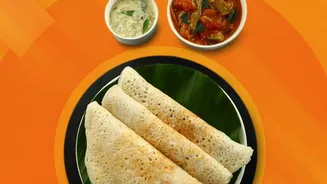
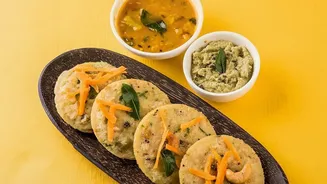
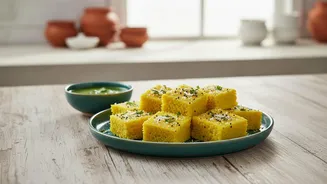
If you have ever enjoyed a fluffy idli, a crisp dosa, or a spongy dhokla, you have experienced the power of fermentation. For centuries, this process has been a cornerstone of Indian cooking, a quiet, background ritual that transforms simple ingredients
into culinary delights. It’s the magic that happens when a mixture of rice and lentils is left to rest, relying on naturally occurring microorganisms like bacteria and yeast to work their wonders. This process, once just a part of daily kitchen wisdom passed down through generations, is now being recognised for what it is: a sophisticated and natural biotechnology that enhances both flavour and health.
A Tradition Thousands of Years Old
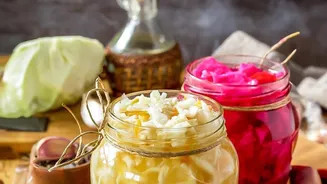
Fermentation in India is not a recent trend; it's a tradition with roots stretching back thousands of years. Initially developed as a practical method of food preservation in a time before refrigeration, it quickly became integral to regional cuisines across the subcontinent. From the fermented bamboo shoots (khorisa) of Assam to the tangy carrot-based drink (kanji) of North India and the ubiquitous South Indian batters, every region has its own unique fermented treasures. This diversity reflects a deep, intuitive understanding of local ingredients and climates, creating foods that were not only preserved but also more nutritious and delicious.
The Science Behind the Sizzle
What our ancestors knew through observation, science can now explain. The process of fermentation is essentially a pre-digestion of food by beneficial microbes. Lactic acid bacteria, for example, break down complex carbohydrates and proteins in idli batter, making the final product easier for our bodies to digest. This microbial activity does more than just leaven the batter; it unlocks nutrients. Fermentation significantly increases the bioavailability of essential minerals like iron and calcium and synthesises B vitamins. Furthermore, it breaks down 'anti-nutrients' like phytic acid found in grains and lentils, which would otherwise interfere with nutrient absorption.
More Than Just Gut Health
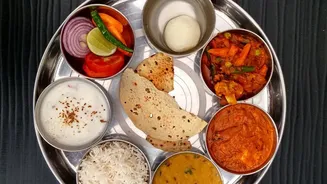
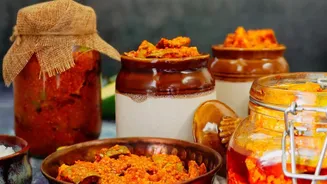
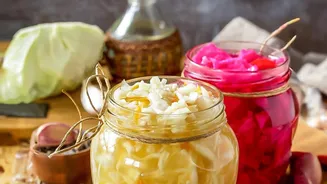
The conversation around fermentation today is often centered on gut health and probiotics, and for good reason. Traditional foods like homemade dahi are rich in beneficial bacteria that support a healthy gut microbiome, which is linked to improved immunity and overall wellness. But the benefits are not just medicinal. Fermentation is also a flavour engine. It creates the characteristic tangy taste of a good dosa, the complex umami in fermented soybean products like Manipur's hawaijar, and the rich depth in traditional pickles. This process allows for incredible flavour development without artificial additives, relying on time and nature as key ingredients.
The Modern Revival of an Ancient Art
In a world increasingly focused on wellness and natural foods, India’s age-old fermentation practices are experiencing a renaissance. While the West discovers kombucha and sourdough, many in India are looking back into their own kitchens, rediscovering the value of what was always there. This revival is visible everywhere. Urban consumers are embracing ready-to-cook fermented batters and artisanal probiotic drinks. Chefs in modern Indian restaurants are highlighting traditional fermentation techniques, blending them with contemporary culinary creativity to create innovative dishes. It’s a full-circle moment where ancient culinary wisdom is not just being preserved but actively celebrated and updated for a new generation.