


A Journey, Not a Commute
The primary allure of the Nilgiri Mountain Railway (NMR) is its deliberate and unhurried pace. Covering the 46-kilometre distance from Mettupalayam to Ooty in about five hours, the train travels at an average speed of just 10 kilometres per hour, making
it India's slowest train. For a generation accustomed to high-speed efficiency, this slowness is not a drawback but a feature. It encourages passengers to disconnect, soak in the surroundings, and embrace a form of 'slow travel' that feels like a conscious rebellion against the frantic pace of modern life. The journey itself, passing through quaint stations like Coonoor, Wellington, and Lovedale, becomes the destination.
An Engineering Marvel in Nature's Lap
Built by the British and operational since 1908, the NMR is a marvel of engineering. It is the only rack and pinion railway in India, a system designed to navigate the steep gradients of the Nilgiri Hills. This journey from the plains at 326 metres to the hill station of Ooty at 2,203 metres is a testament to historic ingenuity. For young travellers with an appreciation for history and mechanics, the railway is a living museum. The heritage status, granted by UNESCO in 2005, adds a layer of prestige, transforming a simple train ride into an exploration of a globally recognised cultural treasure.
Scenery Straight Out of a Storybook
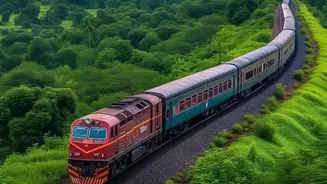
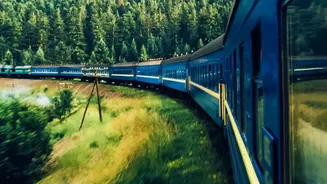
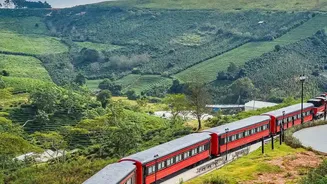
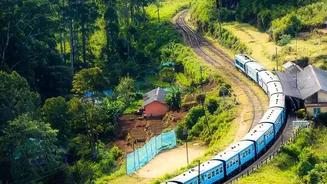
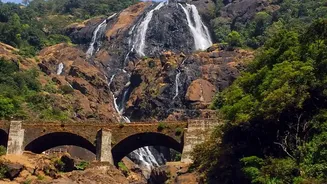
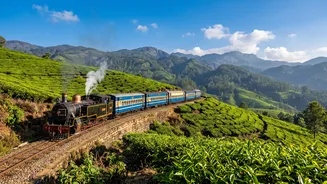
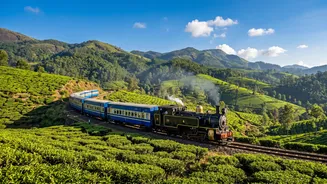
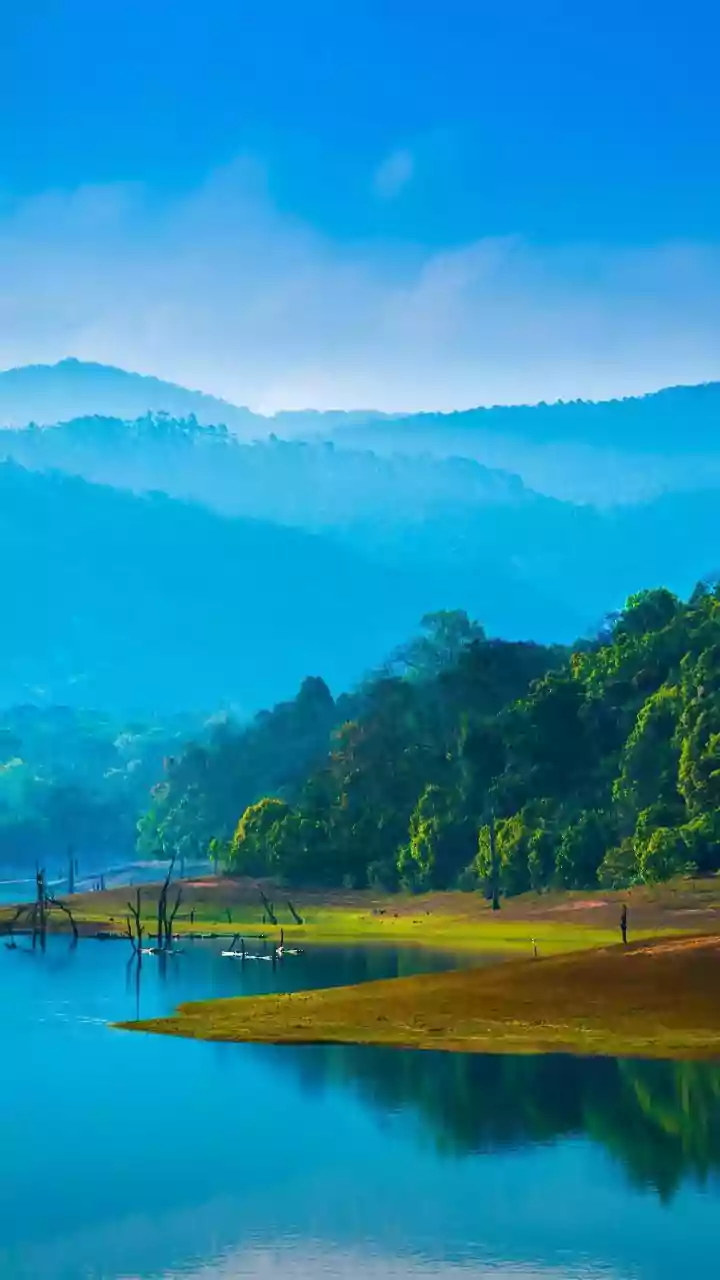
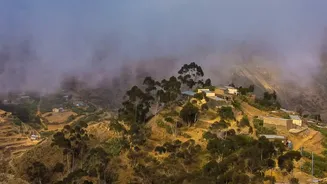
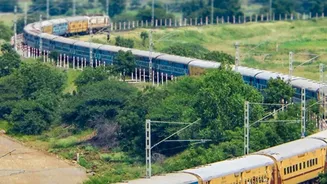
The route is, without exaggeration, breathtaking. The train meanders through 16 tunnels, over 250 bridges, and around 208 curves, each revealing a new, stunning vista. Passengers are treated to a panoramic spectacle of the Nilgiri Biosphere Reserve, with its dense shola forests, lush tea plantations, misty valleys, and cascading waterfalls. The large windows of the distinctive blue and cream wooden carriages frame these views perfectly. In an era dominated by visual social media, the journey provides an endless supply of 'Instagrammable' moments, from the steam billowing from the engine to the panoramic shots of the rolling hills.
Pop Culture Nostalgia on Wheels
The NMR's place in popular culture adds another layer of attraction. Most famously, it was the setting for the iconic song 'Chaiyya Chaiyya' from the 1998 film 'Dil Se', where Shah Rukh Khan and Malaika Arora danced atop the moving train. This single cinematic moment immortalised the train for a generation. Its appearance in other films, including the classic 'A Passage to India', has cemented its status as a piece of cinematic history. For many young Indians, riding the train is a way to connect with a piece of beloved Bollywood nostalgia, making the experience both personal and culturally resonant.
The Ultimate Analogue Experience
In a hyper-connected world, the NMR offers a rare opportunity for a digital detox. The simple joy of the ride—the rhythmic chugging, the cool mountain air, and the shared experience of howling through tunnels—fosters a sense of community among passengers. It’s an experience that encourages conversation and connection over scrolling. For young travellers increasingly seeking authentic and mindful experiences, the 'toy train' delivers something invaluable: a chance to be fully present. It’s a reminder that sometimes the most memorable journeys are the ones taken at the slowest pace, allowing time for wonder and appreciation.