






Your Vehicle: The First and Most Critical Check
Before you even think about packing, your vehicle demands attention. The monsoon season is notoriously tough on cars, and a pre-trip inspection is non-negotiable. First, check your tyres. Good grip is your best defence against slippery roads. Ensure your tyre tread
depth is well above the legal minimum of 1.6mm; for monsoon safety, at least 3mm is recommended. Don't forget to check the pressure, including the spare. Next, inspect your wiper blades. Sun damage during summer can harden the rubber, causing them to streak or skip. If they don't clear the windshield effectively, replace them. Finally, test your entire braking system. Brakes on wet roads can take longer to respond. If you notice any squealing, grinding, or a spongy feel, get them inspected by a professional immediately.
On The Road: Safe Driving Techniques
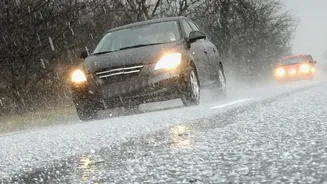
Once you're on your way, adjust your driving style for the conditions. The most important rule is to slow down. Reducing your speed gives your tyres a better chance to grip the road and reduces the risk of hydroplaning, where a layer of water builds between the tyre and the road, causing a loss of control. Maintain a greater distance from the vehicle in front of you; stopping distances can double on wet surfaces. Use your low-beam headlights even in light rain to increase your visibility to other drivers. Avoid using hazard lights while moving, as this can cause confusion. If you encounter a waterlogged street, avoid driving through it if you can't gauge its depth. Hidden potholes or debris can cause significant damage, and water entering your engine can lead to a costly hydrostatic lock.
Weather Watch: Staying Ahead of the Forecast
Unpredictable weather is a hallmark of the monsoon. Regularly checking forecasts for your route and destination is crucial. Use reliable weather apps that provide real-time updates on rainfall, thunderstorms, and any advisories issued by local authorities. Apps from the India Meteorological Department (IMD) like 'Mausam' provide district-level warnings and radar imagery. Skymet Weather is another popular option that offers detailed forecasts and analysis in multiple Indian languages. Planning your travel around these forecasts can help you avoid getting caught in severe downpours or, in hilly areas, regions prone to landslides. It is always wise to build buffer days into your itinerary to accommodate potential weather-related delays.
Health & Personal Safety: The Human Element
Monsoon travel isn't just about the car; it's about keeping yourself safe and healthy. The rainy season sees a spike in mosquito-borne and water-borne diseases. Carry and use a good insect repellent to protect against dengue and malaria. To avoid stomach issues, stick to bottled or purified water and eat freshly prepared, hot food from clean establishments. It's best to avoid street food, especially items that may have been exposed to contaminated water. Pack a first-aid kit with essentials like antiseptic wipes, bandages, medication for fever and colds, and any personal prescriptions. Also, pack quick-drying synthetic clothing and waterproof footwear with good grip. Keeping a power bank is a smart move, as power cuts can be more frequent during this season.
Packing Smart: Protecting Your Gear
Water can be disastrous for your luggage and electronics. A waterproof backpack or a secure rain cover for your bags is essential. For extra protection, use zip-lock bags or dry bags to store your phone, camera, chargers, and important documents like your ID and travel permits. It's a simple step that can save you from the hassle and expense of dealing with water-damaged gadgets. Carrying an extra pair of clothes and socks in a waterproof bag is also a good idea, as getting caught in a sudden downpour is always a possibility. Changing out of wet clothes quickly helps prevent fungal infections and colds.