





The Ancient Superfood for Modern Mornings
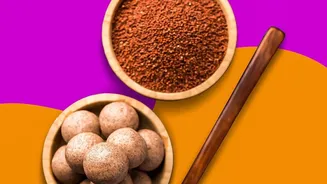
Ragi, also known as finger millet, has been a staple in Indian diets for thousands of years, and for good reason. This humble grain is a nutritional powerhouse, making it an ideal choice to kickstart your day. One of its most significant benefits is its composition
of complex carbohydrates and high dietary fibre. Unlike simple carbs that cause a quick sugar spike followed by a crash, the fibre in ragi ensures a slow and steady release of energy. This helps you feel fuller for longer, preventing mid-morning snack attacks and supporting weight management. Being naturally gluten-free, it's an excellent and safe option for individuals with gluten sensitivity or celiac disease.
More Than Just Energy
The benefits of ragi extend far beyond just providing fuel. It is one of the best non-dairy sources of calcium, containing significantly more than other cereals. This makes it crucial for maintaining strong bones and teeth, and may help prevent osteoporosis. Ragi is also rich in iron, which is vital for maintaining healthy haemoglobin levels and fighting off the fatigue and tiredness associated with iron deficiency. Regular consumption of this superfood is also linked to better heart health and improved digestion. Its low glycaemic index makes it particularly beneficial for individuals managing blood sugar levels.
Crafting the Perfect Instant Ragi Batter
Making delicious ragi crepes, often called 'ragi dosa' in India, is surprisingly simple, especially with an instant batter that requires no fermentation. The key to a good crepe is a thin, flowing batter. To make a batch that serves about two people, you will need the following ingredients: ½ cup of ragi flour, ¼ cup of rice flour for crispiness, and optionally two tablespoons of fine semolina (rava). For flavour, gather finely chopped onions, green chillies, grated ginger, and a handful of chopped curry leaves and coriander. You'll also need salt to taste and about 1 ½ to 2 cups of water. In a mixing bowl, combine all the dry ingredients—ragi flour, rice flour, and semolina. Slowly add water while whisking continuously to create a smooth, lump-free batter. The consistency should be thin and runny, similar to that of buttermilk. Once the batter is smooth, stir in the chopped onions, chillies, ginger, curry leaves, and coriander, along with salt. Let the batter rest for 10-15 minutes to allow the flours to hydrate.
Cooking Your Crispy Crepes
The secret to a crispy, lacey ragi crepe lies in a very hot pan and a thin batter. Heat a non-stick or cast-iron tawa over a medium-high flame. Grease it lightly with oil or ghee. Before pouring the batter, always give it a good stir, as the flour tends to settle at the bottom. To test if the pan is ready, sprinkle a few drops of water; they should sizzle and evaporate immediately. Now, take a ladleful of the batter and pour it from the outside edge of the pan, moving towards the centre in a circular motion to create a lacy pattern, much like making a rava dosa. Don't try to spread it like a traditional dosa. Fill in any large gaps with a little more batter. Drizzle a teaspoon of oil or ghee around the edges and cook on medium flame for a couple of minutes until the bottom turns golden brown and the edges start to lift. Flip the crepe and cook for another minute. Serve hot off the pan.
Serving Suggestions and Variations
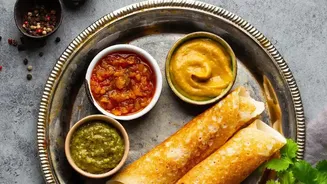
These savoury ragi crepes are incredibly versatile. They pair wonderfully with classic South Indian accompaniments like coconut chutney, tomato chutney, or a warm bowl of sambar. For a simpler meal, they can be enjoyed with a dollop of curd or a sprinkle of podi (spiced powder). To enhance the flavour of the batter itself, you can add a teaspoon of cumin seeds. For a slightly tangy taste, some recipes suggest adding a couple of tablespoons of curd or buttermilk to the batter. Don't be afraid to experiment with the fillings. Once cooked, you can fill them with anything from spiced potatoes to a stir-fry of paneer and vegetables to create a more substantial and filling meal.