







Our Cities Are Losing Their Cool
The familiar experience of sweltering city nights has a name: the Urban Heat Island (UHI) effect. It's a phenomenon where metropolitan areas are significantly warmer than the surrounding rural countryside. While this has been known for years, new research
highlights a worrying trend in India: the gap is widening, and it's happening fastest after sunset. A study across 141 Indian cities found that nighttime temperatures are rising at nearly double the rate of daytime temperatures. Cities like Delhi, Mumbai, and Bengaluru are now regularly experiencing nights that are 3°C to 5°C warmer than nearby villages. This isn't just a matter of discomfort; it's a fundamental shift in our urban climate, robbing us of the natural cooling-off period that our bodies rely on to recover from daytime heat.
Concrete: The City’s Thermal Battery
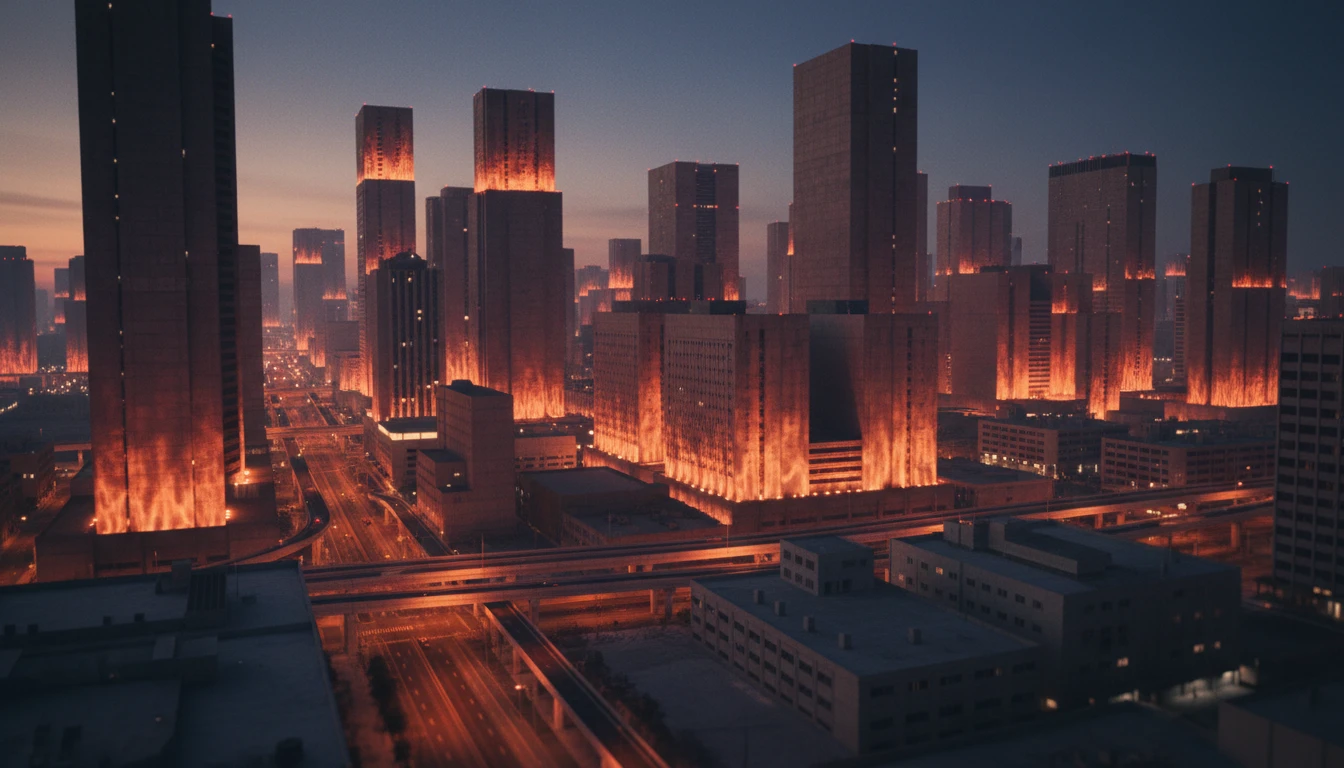
The primary culprit identified by these studies is the very material our cities are built from: concrete. Along with asphalt roads and other dense building materials, concrete has a high 'thermal mass'. This means it's incredibly effective at absorbing and storing solar energy. Throughout the day, our buildings and streets soak up the sun's radiation like a massive sponge. When the sun sets, this stored heat is slowly released back into the environment. Researchers describe this process as concrete acting like a 'thermal battery', discharging its stored energy throughout the evening and night, long after the air temperature should have dropped. This slow, continuous release of warmth is what keeps urban temperatures stubbornly high, even hours after dark.
The 8 PM Indoor Heat Peak
A groundbreaking 2026 study conducted in Chennai provided a startling look at how this plays out inside our homes. Using sensors in low- and middle-income houses, researchers found that indoor temperatures didn't peak in the afternoon but surged between 8 p.m. and 9 p.m. This delayed peak is caused by the concrete walls and roofs finally releasing the heat they absorbed all day directly into living spaces. The study recorded indoor temperatures remaining stubbornly above 31°C, and often over 34°C, for most of the night. This transforms homes from shelters into heat traps, offering no respite and making sleep nearly impossible. The findings are a critical warning, as most official heat alerts still focus on outdoor daytime temperatures, completely missing this dangerous indoor, nighttime reality.
Trapped by Urban Design
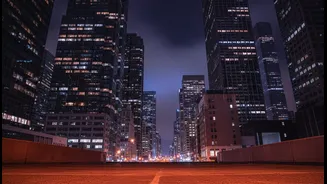
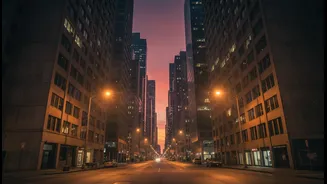
The problem isn't just the material, but also the design of our cities. The trend of replacing green spaces, parks, and water bodies with dense construction has eliminated natural cooling mechanisms like shade and evapotranspiration. An IIT Bhubaneswar study noted that rapid urbanisation has led to a drastic decrease in vegetation and water bodies. Furthermore, the layout of closely packed, tall buildings creates what experts call an 'urban canyon'. These canyons trap the heat that is re-radiated from building surfaces, preventing it from escaping into the upper atmosphere. They also block wind flow, which would otherwise help to dissipate the heat and cool the city down. In essence, our urban design conspires with our building materials to create a perfect, self-perpetuating heating system.
A Growing Health Crisis
The inability to cool down at night poses a significant public health threat. Our bodies need the lower temperatures of the night to recover from the heat stress accumulated during the day. When nighttime relief doesn't come, the risk of heat-related illnesses, such as heat exhaustion and heatstroke, increases dramatically. This issue disproportionately affects the most vulnerable. Studies highlight a stark 'cooling gap': while high-income households can resort to energy-intensive air conditioning, low-income families in concrete homes are left to suffer in rooms where ceiling fans only circulate hot, humid air. This not only creates a health crisis but also deepens social inequity, trapping millions in a cycle of heat-induced stress and fatigue.