





The Liquid Gold in Your Fridge
We’ve all done it: fished out the last crunchy pickle and unthinkingly rinsed the jar. But that cloudy liquid, known as pickle brine, is far from being kitchen waste. It’s a perfectly balanced, ready-to-use flavour enhancer that chefs and savvy home cooks
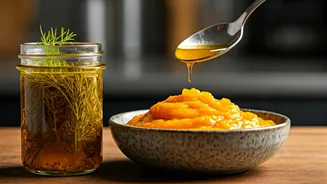
have used for years. At its core, brine is a solution of vinegar, salt, and water, but it absorbs the essence of the spices—like dill, mustard seed, and garlic—and even some of the vegetable's own flavour. This creates a complex liquid you can't easily replicate by just mixing ingredients on the fly, and it’s a key to unlocking deeper flavour with zero effort.
Why It Works: The Simple Science
The magic of pickle brine lies in its key components. The acidity from the vinegar cuts through richness (think creamy mayonnaise-based salads) and brightens the fresh flavours of raw vegetables, making everything taste more vibrant. The salt content does more than just add saltiness; it enhances the inherent sweetness and savoury notes in other ingredients, a principle known as flavour layering. Finally, the infused aromatics from herbs and spices provide a layer of complexity and depth that can make a simple dressing taste like it was crafted with a dozen different ingredients. It’s a shortcut to a perfectly seasoned dish.
Your New Favourite Vinaigrette
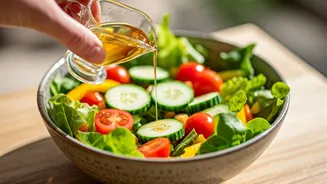
The easiest way to start using pickle brine is in a vinaigrette. The classic ratio for a dressing is typically three parts oil to one part acid. Simply swap out your usual vinegar or lemon juice for an equal amount of pickle brine. For a foolproof dressing, combine 3 tablespoons of a good quality olive oil with 1.5 to 2 tablespoons of pickle brine in a small jar. Add a teaspoon of Dijon mustard to help it emulsify (thicken and combine), a pinch of black pepper, and perhaps a touch of honey if your brine is particularly sharp. Seal the jar and shake vigorously for 30 seconds. You have a zesty, delicious dressing ready to go.
Which Salads Love Pickle Brine?
While you can drizzle a brine-based vinaigrette on a simple green salad, it truly shines in heartier preparations. It's an absolute must for classic potato salad, where its tanginess balances the starchy potatoes and creamy dressing. The same goes for coleslaw, egg salad, and macaroni salad. Its sharp flavour profile is also a perfect match for legume-based salads, like a three-bean or chickpea salad, where it can liven up earthy flavours. Don't be afraid to bring this trick to Indian cuisine, either. A tiny splash can add a surprising twist to a classic kachumber, or be used to give your salad onions a quick, tangy pickle.
More Than Just a Dressing
The utility of pickle brine extends far beyond the salad bowl. It makes a fantastic marinade. The acid and salt work together to tenderize protein while infusing it with flavour. A 30-minute soak for chicken, fish, or paneer before grilling can make a world of difference. You can also add a tablespoon to soups or stews to brighten the final flavour, much like a squeeze of lemon. Or, use it for a "quick pickle." Thinly slice onions, carrots, or radishes, place them in a jar, and pour leftover brine over them for a crunchy, tangy condiment in hours.
Choose Your Brine Wisely
Not all brines are created equal. The most versatile is the classic dill pickle brine, which offers a savoury, herbaceous flavour. Brine from sweet pickles can be wonderful in things like coleslaw, but remember to account for its sweetness; you may want to skip adding other sugar. Brine from spicy pickles or pickled jalapeños is an easy way to add heat and tang to marinades or a corn salsa. Even the brine from a jar of olives can be used in small amounts for a salty kick. The golden rule is simple: always taste your brine before you use it. This will tell you if it's overly salty, sweet, or spicy, allowing you to adjust your recipe accordingly.