




Why High Humidity Changes Everything
During India's dry season, you might water your indoor plants frequently as the soil dries out quickly. Come monsoon, the game changes. The air becomes saturated with moisture, significantly slowing down two key processes: evaporation from the soil and
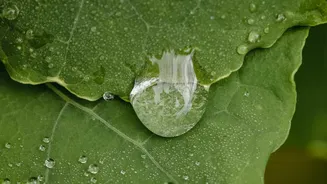
transpiration from the plant's leaves. Transpiration is how plants release water vapour, and when the surrounding air is already humid, they release much less. This means the soil stays wet for longer, and the plant's roots are not drawing as much water. Continuing with a summer watering schedule is one of the fastest ways to harm your plant during the rainy season.
The Dangers of an Overzealous Watering Can
The number one killer of indoor plants during the monsoon is overwatering, which leads to root rot. When soil is constantly soggy, the air pockets that roots need to breathe are filled with water. Deprived of oxygen, the roots begin to suffocate, die, and decay. Early warning signs include yellowing leaves (especially lower ones), wilting even when the soil is wet, and a musty or rotten smell coming from the pot. The base of the stem might also feel soft or mushy. Ignoring these signs can lead to the irreversible collapse of your plant.
Ditch the Schedule, Trust the Touch Test
The most crucial shift in monsoon plant care is moving from a rigid schedule to careful observation. The best way to know if your plant needs water is the classic 'finger test'. Insert your finger about one to two inches into the soil. If it feels moist, wait. Do not water. Only when the top layer of soil feels dry to the touch should you consider giving it a drink. Some plants in high humidity might only need watering once every 10 to 15 days. Another method is to gauge the weight of the pot; a pot with dry soil is significantly lighter than one with wet soil.
Beyond Watering: Holistic Monsoon Care
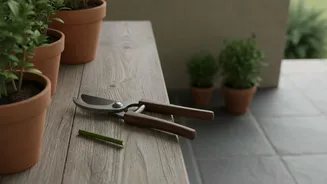
While adjusting your watering is critical, other factors also need attention during the monsoon. High humidity and damp conditions are a breeding ground for fungal diseases and pests. Ensure good air circulation around your plants; a small fan on low or keeping them in a well-ventilated area can help. Prune any yellow or damaged leaves promptly to prevent the spread of disease. It’s also wise to reduce fertilising, as plant growth naturally slows in the lower light conditions of overcast monsoon days. Finally, make sure every pot has adequate drainage holes and that decorative saucers are emptied of standing water.
Natural Allies in the Fight Against Fungus
For minor fungal issues like powdery mildew, which appears as white patches on leaves, you can take simple preventative measures. A periodic spray with a diluted neem oil solution (about 5ml per litre of water) every 10-15 days can help keep pests and fungal spores at bay. Some gardeners also find success by sprinkling a light layer of cinnamon powder on the topsoil, as cinnamon has natural antifungal properties. These gentle interventions, combined with proper watering and airflow, can help your plants navigate the challenging humid months without resorting to harsh chemicals.