





Beyond the Daily Walk
We often focus on physical exercise to tire our dogs out, but we might be overlooking the most powerful tool for creating a calm and happy companion: mental stimulation. This is where the concept of canine enrichment comes in. Enrichment refers to activities
that challenge your dog's mind and allow them to engage in natural behaviours like chewing, playing, and problem-solving. Just 15 minutes of focused brain work can be as tiring for a dog as a long walk. By incorporating activities that satisfy their instincts, you can help prevent boredom, reduce destructive behaviours, and deepen the bond you share with your pet.
The Truth About Tug
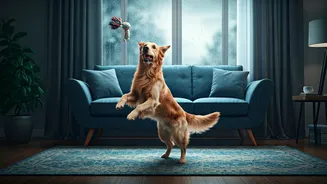
Tug-of-war has a bad reputation, with some owners fearing it encourages aggression. However, modern trainers and behaviourists agree that when played correctly, tug is a fantastic game with numerous benefits. It's a healthy display of a dog's predatory nature and an excellent physical and mental workout. Playing tug can build confidence, especially in nervous dogs, and provides a powerful way to strengthen your bond. The key is to establish rules. You should always be the one to initiate and end the game, and your dog should know a 'drop it' command. If your dog's teeth touch your hand, the game stops immediately. Letting your dog 'win' the toy doesn't signal dominance; it shows them that playing with you is rewarding and encourages them to bring the toy back to continue the fun.
Let Them Follow Their Nose
To a dog, the world is a rich tapestry of scents. Their sense of smell is incredibly powerful, with up to 300 million olfactory receptors compared to our six million. The part of their brain dedicated to analyzing smells is about 40 times larger than ours. When we rush them on walks, we deny them the chance to 'read the news' of their environment. Allowing your dog the freedom to sniff on walks—sometimes called a 'sniffari'—is one of the best forms of enrichment you can provide. Sniffing is a calming activity that can lower a dog's heart rate and reduce anxiety. It provides crucial mental stimulation, builds confidence, and allows them to express a fundamental biological need. So next time you're out, let them linger on that interesting patch of grass; they're doing important work.
The Power of Puzzles
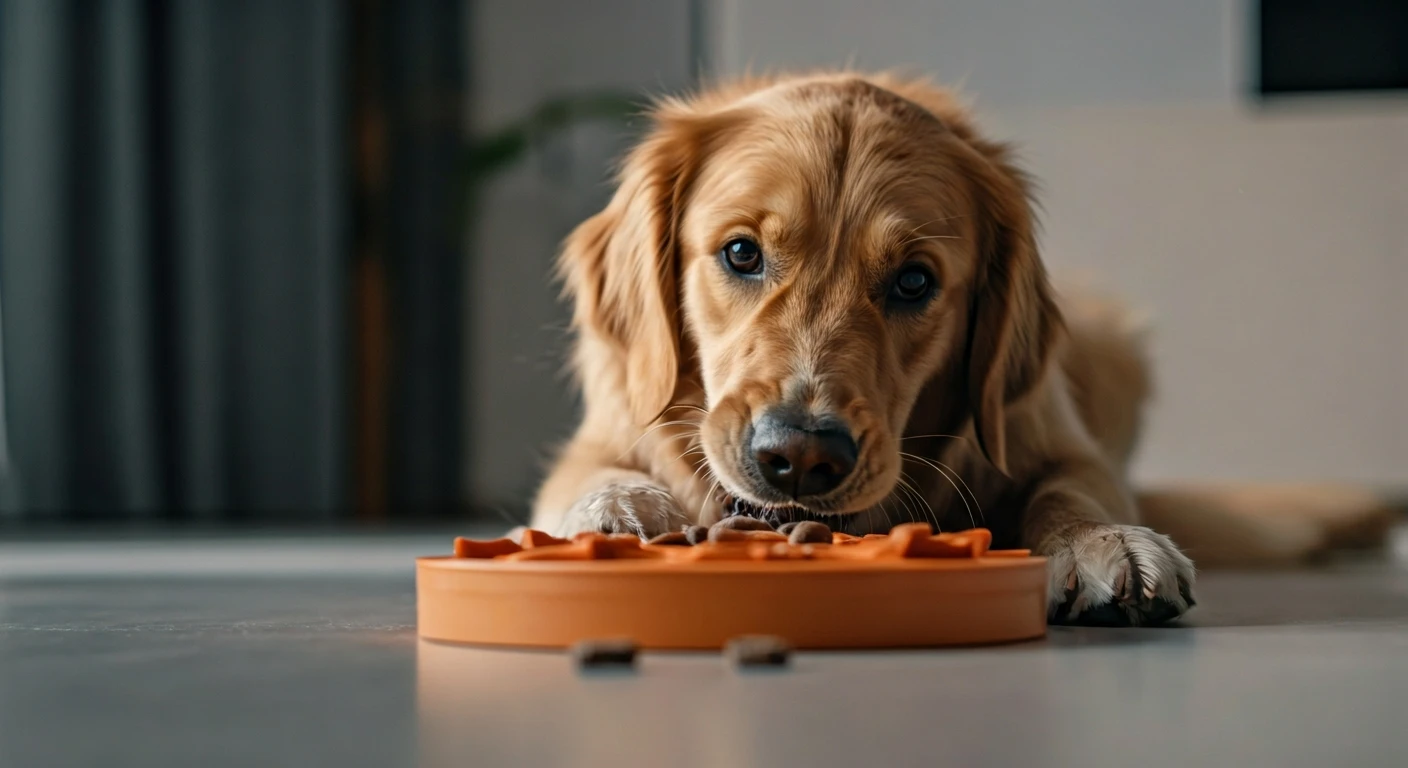
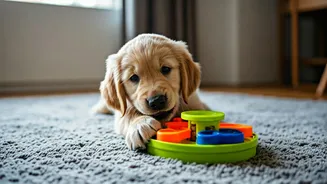
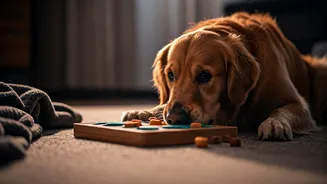
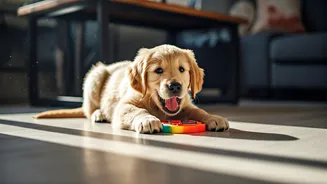
Puzzle toys and food-dispensing games are another excellent way to engage your dog’s brain. These toys encourage dogs to use their natural problem-solving and foraging instincts. By making them work for their food or treats, you provide a satisfying challenge that prevents boredom and can help slow down fast eaters. The mental effort required can help reduce stress and anxiety, making puzzle toys a great tool for dogs with separation anxiety. There is a wide variety of puzzle toys available, from simple treat balls to complex, multi-step games. You can even make your own using household items like a muffin tin and tennis balls or by hiding treats in a cardboard box. The key is to start with an easy puzzle to build your dog's confidence before moving on to more difficult challenges.