




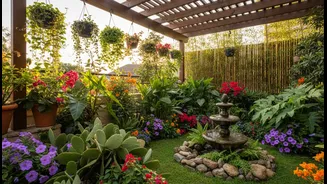



A Sanctuary for Mental Wellness
The rainy season can sometimes bring on feelings of gloom, but a garden offers a powerful antidote. The simple act of nurturing plants is a form of mindfulness that can reduce stress and anxiety. Studies have shown that interacting with nature, even in a small
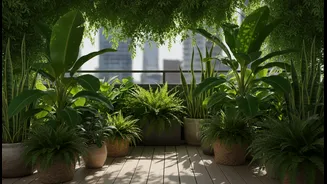
urban space, lowers levels of the stress hormone cortisol. Tending to plants provides a gentle routine and a sense of purpose, which can significantly boost your mood. The sensory experience—the smell of damp earth, the sight of fresh green leaves, the sound of rain on foliage—grounds you in the present moment, offering a peaceful escape from the confines of indoor life.
Your Own Fresh and Organic Pantry
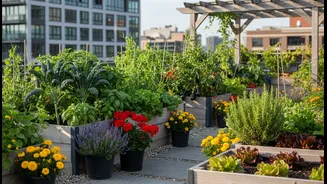
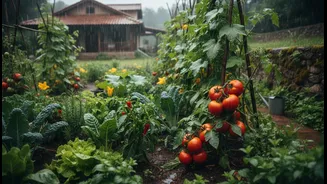
The monsoon is an incredibly productive season for growing vegetables in India. With the right planning, your terrace can yield a bounty of fresh, organic produce, free from harmful pesticides. Many Indian vegetables thrive in the humidity and regular watering that the season provides. Gourds like lauki (bottle gourd) and karela (bitter gourd), leafy greens like spinach and amaranth, and staples like chillies and beans grow vigorously during this time. Imagine stepping out to your terrace to pick fresh coriander for a chutney or crisp radishes for a salad, ensuring your family enjoys healthy, homegrown food.
A Natural Air Conditioner
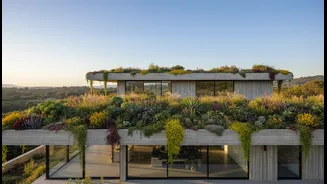
Cities often suffer from the "urban heat island" effect, where concrete and asphalt absorb and radiate heat, making the environment warmer. A terrace garden acts as a natural cooling system for your home. The vegetation cover absorbs sunlight and cools the surrounding air through a process called evapotranspiration. This green layer on your roof can significantly lower the temperature inside your building, reducing the need for air conditioning and, in turn, lowering your energy bills. This makes your home more comfortable, even on those humid, non-rainy monsoon days.
A Hub for Urban Biodiversity
A garden, no matter how small, is a vital ecosystem. By planting a variety of native flowers and plants, you create a welcoming habitat for birds, bees, butterflies, and other pollinators. In a concrete jungle, these green patches act as crucial corridors for wildlife, helping to support urban biodiversity. Watching a butterfly flit from flower to flower or listening to birdsong from your own terrace adds a magical dimension to city living, reminding us of our connection to the natural world.
Better Air and Water Management
Plants are natural air purifiers. They absorb carbon dioxide and filter pollutants from the atmosphere, improving the air quality in and around your home. This is a significant benefit in urban areas where pollution levels can be high. Furthermore, terrace gardens play a role in stormwater management. The soil and plants can absorb a significant amount of rainwater, reducing runoff into overburdened city drainage systems and helping to prevent localised flooding. The water that is retained can be used by the plants, making your garden more self-sufficient.