



Badami, Karnataka: The Sandstone Kingdom
While the prime season for Badami's world-famous sandstone cliffs is winter, the monsoon paints this ancient landscape in vibrant new colours. The rock, a brilliant rusty red, glistens under the rain, set against impossibly green fields and dramatic,
cloud-filled skies. Climbing here during the monsoon requires careful planning and an eye on the weather; routes can become slippery and should only be attempted by experienced climbers with local guides. The real magic unfolds in the immediate post-monsoon months (September-October), when the crowds are thin, the air is fresh, and the holds are clean. It’s a photographer’s and a climber’s dream, offering a serene yet powerful bouldering and sport climbing experience amidst the stunning temple complexes.
Malshej Ghat, Maharashtra: Waterfalls and Greenery
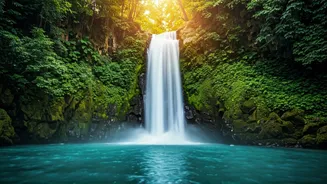
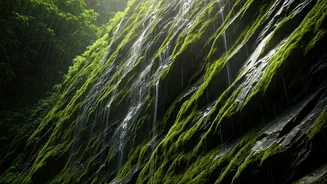
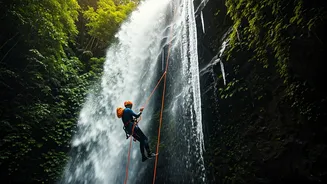
The Western Ghats truly come alive during the monsoon, and Malshej Ghat is the epicentre of this transformation. Known for its hundreds of waterfalls and dense fog, it becomes a playground for a unique brand of adventure: waterfall rappelling. While traditional rock climbing becomes treacherous, this hybrid activity allows you to descend down rock faces alongside gushing waterfalls. It’s an adrenaline rush like no other, combining elements of climbing, rappelling, and canyoneering. Numerous local adventure groups organise certified and safe trips, making it accessible even for beginners. The surrounding greenery and the sheer force of the water create an unforgettable experience that is only possible during these few months of the year.
Shey Rock, Ladakh: The Rain Shadow Escape
Looking for a climbing destination during the monsoon without the actual rain? Head to Ladakh. Located in a rain shadow zone, Ladakh remains mostly dry while the rest of the country is drenched. Shey Rock, near Leh, is one of the region's premier sport climbing crags. The rock face offers a variety of routes for different skill levels, from beginners to advanced climbers. The thrill here is not from the rain, but from the stark, high-altitude landscape. Climbing at over 11,000 feet, with panoramic views of the Indus Valley and snow-capped peaks in the distance, is an otherworldly experience. The cool, crisp air and stable weather make it an ideal spot to climb from June to September, providing a perfect escape for climbers frustrated by rains elsewhere.
Doddabetta, Ooty: High-Altitude Granite
The Nilgiris, or 'Blue Mountains', offer a distinct climbing experience. Near Ooty, the slopes around Doddabetta feature excellent granite boulders and cliffs. During the monsoon, this region is shrouded in mist, creating a mystical and cool atmosphere. The rain is often a light, persistent drizzle rather than a heavy downpour, meaning climbing is possible on days with clearer weather windows. The granite provides good friction even when damp, though caution is paramount. Bouldering in the picturesque tea gardens with the scent of wet earth in the air is a unique sensory experience. It's a place for those who enjoy a quieter, more contemplative climb, away from the major climbing hubs and surrounded by the serene beauty of the hills.