
What Makes Tea ‘Speciality’?
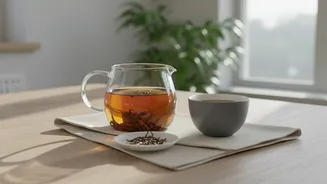
Before diving into the details, it helps to understand what sets 'speciality tea' apart from the everyday tea bags found in supermarkets. Unlike mass-produced commodity teas, which are blended for consistency, speciality tea is all about showcasing unique
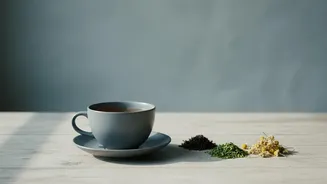
character. It typically consists of high-grade, loose-leaf tea, often sourced from a single estate or a specific region known for its exceptional quality. These teas are cultivated with immense care, often hand-picked and processed using traditional methods to preserve the distinct flavours that come from their specific environment. Think of it like the difference between a generic table wine and a fine wine from a celebrated vineyard; one is for function, the other is an experience.
The Crucial Role of Origin
The single most significant factor influencing a tea’s flavour is its 'terroir'—a term borrowed from the wine world that describes the complete natural environment in which a particular tea is produced. This includes the soil chemistry, altitude, climate, and rainfall of the region. For instance, the three main tea-growing regions in India—Darjeeling, Assam, and Nilgiri—all produce black teas, yet they taste remarkably different. Darjeeling, grown at high altitudes in the Himalayas, is famed for its delicate, floral, and muscatel notes. In contrast, Assam, from the hot, humid plains, produces a robust, malty, and full-bodied brew. Nilgiri teas from Southern India are often bright, fragrant, and balanced. Even transplanting a tea bush from one region to another would result in a different flavour by the next harvest, proving that place is paramount.
Beyond Place: Processing and Harvest Time
A tea's origin story doesn't end with its location. The time of harvest and the processing methods used are just as critical. In Darjeeling, for example, the 'first flush' (early spring harvest) produces a light, fresh, and floral tea, while the 'second flush' (late spring/early summer) yields a deeper, fruitier character. Similarly, Assam's second flush is renowned for its distinctive 'tippy' leaves that create a creamy, full-bodied cup. The processing itself—whether the leaves are rolled, oxidized, steamed, or fired—determines whether they become black, green, oolong, or white tea. Speciality tea producers use these techniques with precision to enhance the unique characteristics derived from the tea’s terroir.
Decoding the Ingredients List
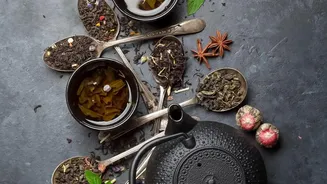
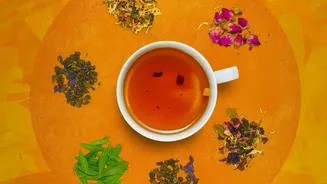
When you move from pure, single-origin teas to blends, the ingredients list becomes your most important tool. A high-quality blend should feature whole-leaf tea and recognisable, whole ingredients like dried fruit pieces, flower petals, and real spices. Be wary of teas that rely on dust or fannings (small broken pieces) often hidden inside tea bags, as these can be a sign of lower quality. The real red flags, however, often come with the flavourings. While terms like 'natural flavouring' might sound reassuring, the definition is broad. These flavours are derived from natural sources, but are often created in a lab and can contain chemical solvents or preservatives that don't need to be disclosed.
The Trouble with 'Flavours'
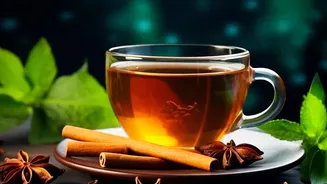
The term 'flavouring' on its own, without the word 'natural', typically indicates that the flavour is artificial or 'nature-identical'—created synthetically in a lab. While chemically similar to their natural counterparts, these are often used to create a strong, consistent taste profile or to mask the taste of inferior quality base tea. If you're seeking an authentic taste experience, opt for teas scented with real botanicals or blended with visible pieces of fruit, herbs, and spices. Real ingredients like cinnamon, lemongrass, or rose petals release their flavours more gradually and offer a more complex and nuanced cup compared to the often one-dimensional punch of an added flavour oil.
A Shopper's Quick Checklist
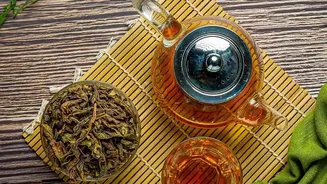
Feeling empowered? Here’s how to put this knowledge into practice. First, look at the leaves. Whether loose or in a spacious, biodegradable pyramid bag, they should be whole or in large pieces, not dust. They should also have a vibrant, natural fragrance. Second, check the origin. A reputable seller will be transparent about where the tea comes from, often down to the specific garden or estate. Finally, read the ingredients carefully. Look for real, recognisable botanicals. If you see vague terms like 'flavouring' or even 'natural flavouring', be a little skeptical. The best-tasting teas are often the ones with the simplest and most transparent ingredient lists.