






The Magic of Compression Packing
Vacuum compression bags are essentially airtight pouches that allow you to remove excess air from soft goods, shrinking them down to a fraction of their original volume. For a beach holiday, this is revolutionary. Think about your bulkiest items: plush
beach towels, cover-ups, and maybe a light jacket for cooler evenings. By sucking the air out, these bags can reduce the space these items take up by as much as 60 percent, freeing up an incredible amount of room in your luggage. This means you might finally have space for that extra pair of sandals, a good book, or even souvenirs on your return trip. Beyond just saving space, they also keep your clothes protected from moisture and odours.
Your Step-by-Step Compression Guide
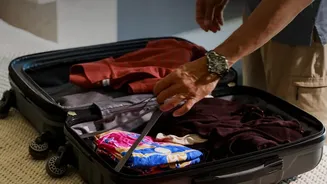
Using these bags is wonderfully simple. First, ensure any clothes you pack are completely clean and dry to avoid mildew. Fold your items neatly and place them inside the bag, being careful not to overfill it; leave a little space below the zipper for a clean seal. Once you've pressed the zip-lock seal firmly from end to end, open the valve cap. You can then use a household vacuum cleaner or a small, portable travel pump to suck the air out. You’ll see the bag shrink dramatically. Quickly replace the cap, and you're done. For travellers without access to a vacuum, many brands offer roll-up versions where you simply roll the bag tightly to force the air out through a one-way valve at the bottom.
What to Pack for the Beach
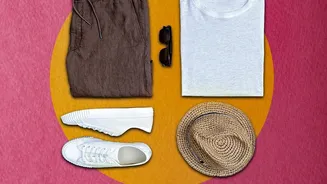
Compression bags work best on soft, bulky items that contain a lot of air. For your beach getaway, this makes them perfect for packing beach towels, which are notoriously space-hungry. They are also ideal for casual clothes like t-shirts, shorts, sarongs, and cotton dresses. Even puffy items like a light fleece or windbreaker for breezy nights on the coast can be compressed effectively. By grouping these items into pouches, you not only save space but also keep your suitcase organised, separating your beach gear from your evening wear.
What to Leave Out of the Bag
Not everything is suitable for vacuum-sealing. Delicate fabrics like silk can be permanently creased under intense pressure. The same goes for structured garments such as blazers or anything with padding. You should also avoid packing leather or suede, as the lack of air can cause the material to dry out and crack. Items with sharp decorations, like beading or sequins, are also a no-go, as they can puncture the bag, rendering it useless, or snag on other clothing. It's best to fold these items carefully and place them in your suitcase normally, perhaps cushioned by the compressed pouches.
The Golden Rule: Watch the Weight
Here is the most important rule of compression packing: while you are creating more space, you are not reducing any weight. It can be incredibly tempting to fill that newly found space with more “just in case” outfits or extra shoes. But this is how travellers accidentally exceed airline weight limits and get hit with expensive fees at the check-in counter. Before you leave for the airport, weigh your packed suitcase. The magic of compression bags is in allowing you to use a smaller suitcase or travel with only a carry-on, not in enabling you to pack your entire wardrobe. Pack smart, not just heavy.
A Note on Airport Security
Vacuum-sealed bags are generally allowed in both carry-on and checked luggage. However, the Transportation Security Administration (TSA) notes that if a bag alarms during screening, officers may need to open it for inspection. This is more likely with densely packed carry-on bags. If you are travelling with a portable pump, keep it in an accessible spot so you can re-compress your bag after a potential inspection. To make things smoother, consider using several smaller bags rather than one giant one, as this can make any manual inspection quicker and easier.