


The Guard Has Changed
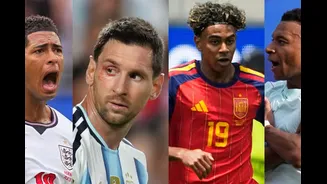
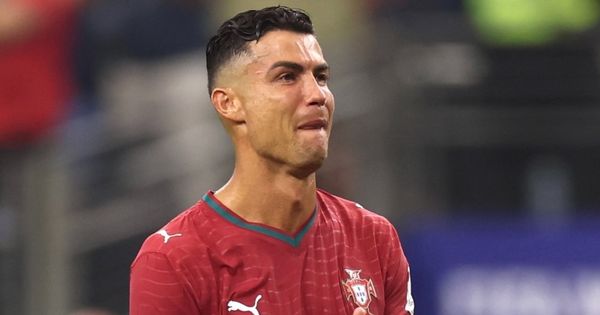
This was the tournament where the old gods of the game finally ceded the stage. The Round of 16 felt like a brutal and swift transition of power. First, Cristiano Ronaldo's Portugal were narrowly edged out by a patient and disciplined Spain, bringing
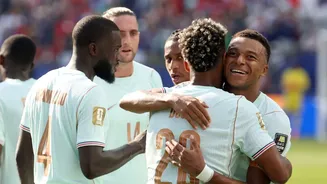
his legendary World Cup journey to a close in a tense tactical battle. Then, just days later, Brazil, the perennial favourites, were stunned by a vibrant Norway side led by the phenomenal Erling Haaland. Haaland was instrumental in the 2-1 victory, effectively dismantling the five-time champions. While Norway's own journey ended in the quarter-finals against England, the message was clear. The era defined by the Messi-Ronaldo rivalry, with Neymar as a constant presence, is definitively over. The future belongs to the likes of Haaland, and England's Jude Bellingham, who has been a force of nature, scoring two crucial goals in the quarter-final. The knockout stage wasn't just a series of matches; it was a coronation of a new generation.
Africa Is Closer Than Ever
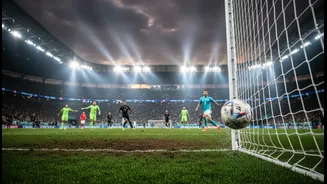
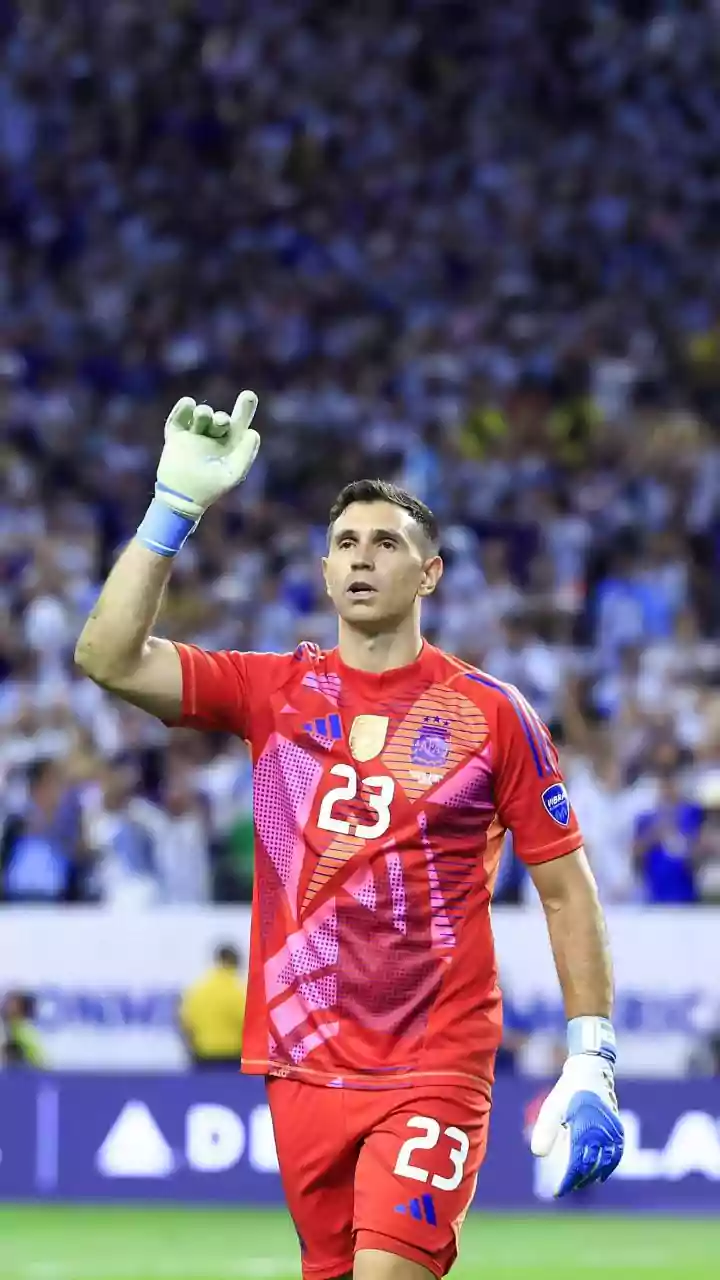
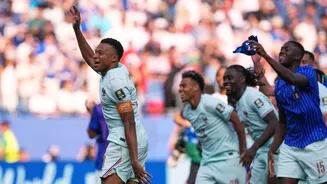
While an African nation has yet to breach the semi-final wall, the 2026 knockout stage proved the continent's top teams are no longer just participating; they are contending. Building on their 2022 legacy, Morocco once again forged a path to the quarter-finals before falling to a clinical French side. But the most heart-stopping performance came from Egypt in the Round of 16. For 80 minutes, they stood on the brink of one of the greatest upsets in World Cup history, holding a 2-0 lead against the defending champions, Argentina. Though Argentina mounted a stunning late comeback to win 3-2, Egypt's performance sent a shockwave through the tournament. Similarly, Senegal pushed a powerful Belgium side in a 3-2 thriller in the Round of 32. The lesson is one of progress and consolidation. African teams have proven they possess the tactical discipline and top-tier talent to defeat anyone. The question is no longer if they belong, but when they will finally break through that last barrier.
Tactical Flexibility Trumps Identity
The expanded 48-team format and grueling travel schedule have created a tournament that punishes tactical rigidity. The teams left standing are the ones who can adapt. We saw this in Spain's quarter-final victory over Belgium, where they had to overcome a powerful and direct opponent. Argentina, for their part, have become masters of 'suffering', grinding out results even when not at their best. They have shown they can win through moments of individual magic, gritty defending, and sheer willpower, as seen in their extra-time victory over a 10-man Switzerland. Pre-tournament analysis suggested that adaptation would beat a fixed identity, and that has proven true. Coaches who effectively use their entire squad to manage fatigue and introduce new tactical dimensions mid-game are thriving. The impact of substitutes has been a defining feature, with fresh legs and minds consistently exploiting tired opponents late in games. In this new, more demanding World Cup, having a Plan B, C, and D is more important than a flawless Plan A.
VAR Is Still a Source of Controversy
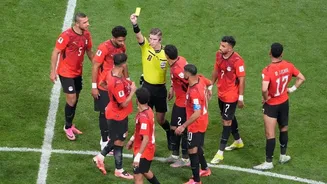
If anyone thought VAR would eliminate refereeing debate, this knockout stage was a rude awakening. Controversy has followed the technology throughout the latter rounds, most notably in England's 2-1 quarter-final win over Norway. That match featured a disallowed Norwegian goal after a VAR check for a foul that occurred before a corner was taken. The same French VAR official, Jérôme Brisard, was also involved in the highly contentious Argentina vs. Egypt match, where his decisions drew formal protests from the Egyptian FA. FIFA even took the step of changing its protocol mid-tournament to have on-site VAR officials for the remaining matches, a move that came directly after widespread criticism of officiating standards. The debates surrounding these incidents show that technology has not created a perfect system. Instead, it has simply shifted the conversation, proving that the human element, with all its potential for error and debate, remains at the heart of the game.