





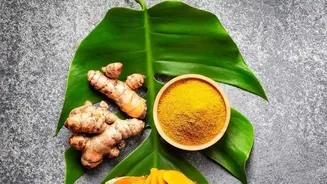
Turmeric (Haldi): The Golden Healer
This vibrant yellow spice is a cornerstone of Indian cooking and Ayurvedic medicine. During the monsoon, when humidity and dampness can weaken our systems, turmeric's value skyrockets. Its active compound, curcumin, has powerful anti-inflammatory and antioxidant
properties. These effects help strengthen the immune system, making it better equipped to fight off the colds, coughs, and infections that are common this season. A daily pinch in your dal, sabzi, or a warm glass of turmeric milk before bed can help keep internal inflammation in check and support overall wellness. For maximum benefit, always pair it with a pinch of black pepper, which significantly enhances curcumin absorption.
Ginger (Adrak): The Digestive Aid
There's a reason a hot cup of adrak chai is the unofficial drink of the Indian monsoon. Ginger is a warming spice that is essential during the rainy months when digestion can become sluggish. It contains gingerol, a bioactive compound known for its ability to soothe an upset stomach, prevent bloating, and aid digestion. Its antibacterial and antiviral properties are also invaluable for relieving a sore throat or clearing congestion, offering a first line of defence against seasonal flu. Keeping fresh ginger on hand to add to teas, soups, and curries is a simple way to keep your digestive fire strong and your body warm.
Garlic (Lehsun): The Immunity Booster
Garlic is another kitchen workhorse that shines during the monsoon. It is rich in a compound called allicin, which is known for its potent antibacterial and antiviral properties. Incorporating garlic into your daily meals—be it in tadkas for dal, stir-fries, or chutneys—can help your body fight off infections that are more prevalent in the damp weather. Ayurveda values garlic for its ability to support digestion and flush out toxins. Along with ginger and turmeric, it forms a powerful trio that supports the body’s natural defence mechanisms, making it a non-negotiable pantry item for staying healthy through the rains.
Lentils & Pulses (Dal): The Comforting Protein
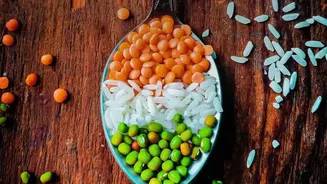
A warm bowl of dal is the ultimate comfort food, especially on a rainy day. During the monsoon, it’s best to favour lighter, easily digestible lentils like moong dal. According to Ayurveda, heavy foods can burden a weaker digestive system in this season. Khichdi, a simple one-pot meal made from rice and moong dal, is considered an ideal monsoon food because it's nourishing, light on the stomach, and provides a complete protein. Stocking up on a variety of dals ensures you have the base for countless warm, soupy, and comforting meals that are both satisfying and seasonally appropriate.
Gram Flour (Besan): The Snack Maker
What is a rainy day without the sizzle of pakoras? Besan, or gram flour, is the key ingredient for many beloved monsoon snacks, from onion and potato pakoras to moong dal chillas. While fried foods should be eaten in moderation, having besan in your pantry allows you to whip up these comforting treats at home, where you can control the quality of oil and ingredients. Besan is also a versatile flour that can be used to make savoury pancakes (chillas), which are a lighter and healthier alternative. It’s a must-have for satisfying those instant monsoon cravings.
Warming Spices: The Aromatic Shield
Beyond the big three, your masala dabba holds other important allies for the monsoon. Spices like black pepper (kali mirch), cloves (laung), cinnamon (dalchini), and cumin (jeera) are considered warming spices in Ayurveda. They help stimulate digestion, improve circulation, and provide comfort from the damp chill. Black pepper helps clear congestion, while cloves have antiseptic properties. Using these spices generously in your cooking not only adds depth and flavour but also helps your body adapt to the seasonal shift, keeping you warm from the inside out.