


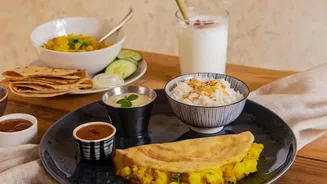


Why Your Roti Flour Matters
The difference between whole grain atta and refined maida lies in the processing. Whole wheat flour is made by grinding the entire wheat kernel—the bran, germ, and endosperm. This means it retains its natural fibre, B vitamins, and minerals like iron
and magnesium. This rich nutrient profile supports better digestion, helps regulate blood sugar levels by slowing down energy release, and keeps you feeling full for longer. In contrast, refined flour is stripped of its bran and germ, leaving behind mostly the starchy endosperm. This process removes most of the fibre and vital nutrients, resulting in 'empty calories' that can cause quick spikes in blood sugar. Over time, a diet heavy in refined grains has been linked to health issues, whereas incorporating whole grains is associated with improved long-term wellness.
Exploring Your Whole Grain Options
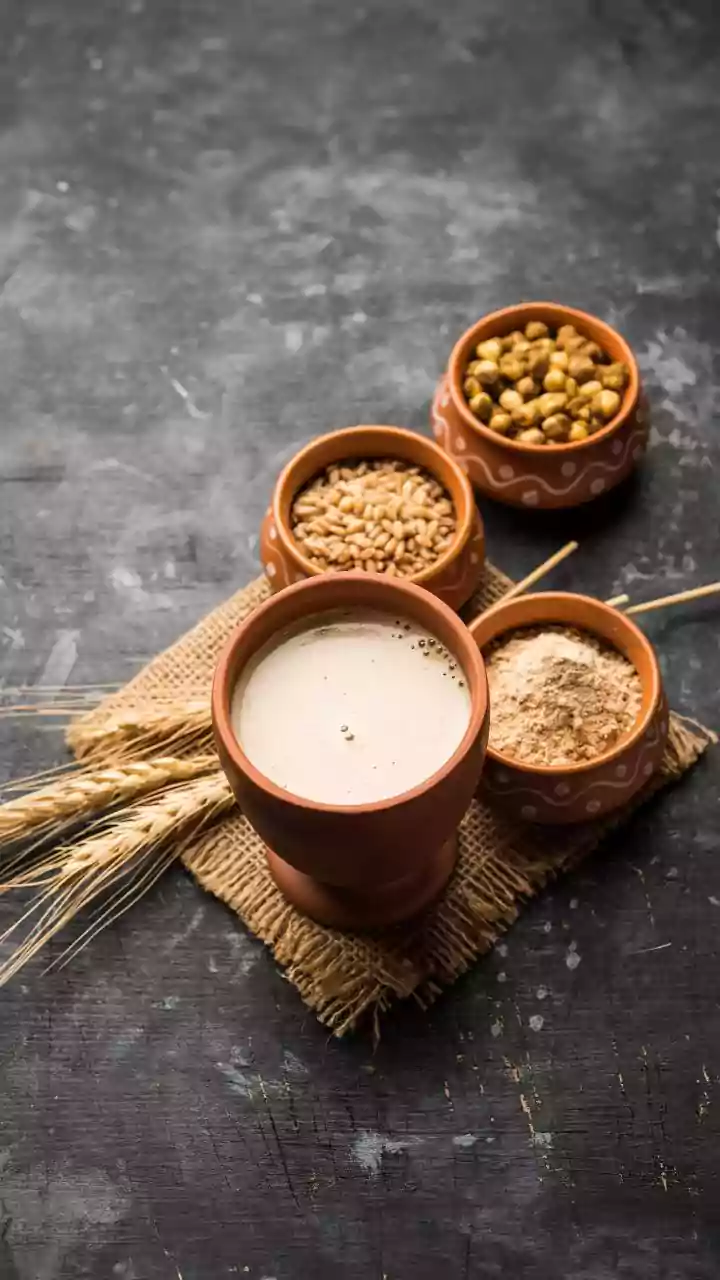
The world of whole grains extends far beyond just whole wheat. Exploring different flours can add new flavours, textures, and nutrients to your daily meals. Whole Wheat Atta is the most common and easiest swap. It has an earthy flavour and provides a good amount of dietary fibre. Jowar (Sorghum) is a gluten-free flour that is lighter on the stomach. It's rich in protein and a good choice for those looking for alternatives to wheat. Bajra (Pearl Millet) is known for its warming properties, making it a popular choice in winter. It has a distinct nutty flavour and is packed with iron and magnesium. Ragi (Finger Millet) is a nutritional powerhouse, loaded with calcium and iron. Its dense nature makes it very filling. Trying these flours, either on their own or blended, can make your roti routine more interesting and nutritious.
The Secret to Soft Whole Grain Rotis
A common complaint is that whole grain rotis, especially those made from millets, turn out hard or dry. The key to soft, pliable rotis lies in the preparation. Firstly, always use warm or hot water to knead the dough. This is especially crucial for gluten-free flours like jowar and bajra, as it helps the starches swell and bind together. Secondly, let the dough rest. After kneading, cover the dough and let it sit for at least 20-30 minutes. This allows the flour to fully absorb the moisture, resulting in a more pliable dough and a softer roti. Thirdly, knead the dough well until it is smooth and soft. Adding a teaspoon of oil or ghee while kneading can also help improve texture and keep the rotis soft for longer.
A Gradual Plan for a Lasting Change
Switching your family's diet overnight can be met with resistance. A gradual approach is often more successful and sustainable. Start by mixing flours. Begin with a ratio of 75% refined flour and 25% whole wheat atta in your daily rotis. Once your family gets accustomed to the taste and texture, slowly increase the proportion of whole wheat flour until you are using it entirely. This method allows taste buds to adjust without a drastic change. You can then introduce millet flours, perhaps once or twice a week, to add variety. Presenting a multi-millet roti as a new and interesting addition, rather than a forced replacement, can also help get everyone on board. Remember, the goal is progress, not immediate perfection.
Beyond the Roti: A Holistic Approach
While changing your roti flour is a fantastic step, think about the meal as a whole. A flavourful dal, a rich curry, or fresh sabzi can make any roti delicious. Sometimes, the accompaniment is just as important as the bread itself. Encourage pairing the new rotis with favourite side dishes to make the transition seamless. You can also use whole grain flours in other dishes, like parathas, theplas, or even baked goods like muffins and pancakes, to increase intake in enjoyable ways. This helps normalise the taste and texture of whole grains across different types of meals, making them a welcome part of your family's diet rather than just a 'healthy alternative'.