


1. Jungfraujoch – Top of Europe
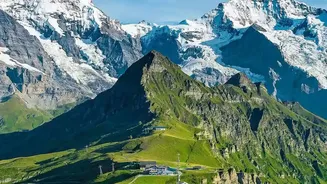
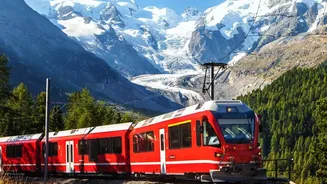
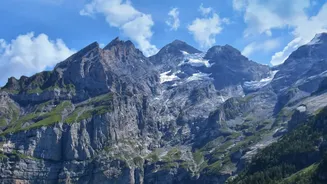
Known as the 'Top of Europe', the Jungfraujoch is home to the continent's highest-altitude railway station at 3,454 metres. The journey itself is an engineering marvel, and the reward is a breathtaking panorama of the Aletsch Glacier and surrounding 4,000-metre
peaks. The experience includes access to the Sphinx Observatory, a walk through an Ice Palace carved into the glacier, and the Alpine Sensation multimedia exhibit. However, its fame comes at a price, both in cost and crowds. During peak summer months, trains and viewing platforms can be packed, with long queues for photo opportunities and the elevator to the Sphinx. To mitigate this, travel experts recommend booking the very first train of the morning. The 'Good Morning Ticket', available in the warmer months, often provides a discount for an early ascent and a quieter experience before the midday rush. Visiting in the shoulder seasons of late spring or early autumn can also offer a better balance of good weather and fewer people.
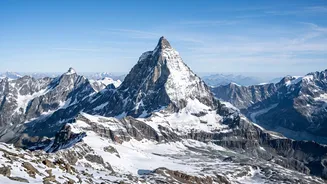
2. Zermatt and the Matterhorn
No mountain is more symbolic of the Swiss Alps than the Matterhorn, and the car-free village of Zermatt is the premier basecamp for seeing it. The town itself bustles with hotels, restaurants, and electric taxis, but the real crowds are found on the mountain transport systems heading to the main viewpoints. The Gornergrat railway is the classic choice, a cogwheel train that climbs to a 3,100-metre ridge with a direct, postcard-perfect view of the Matterhorn and Gorner Glacier. Another popular, and even higher, option is the Matterhorn Glacier Paradise, reached by a series of cable cars. Given the expense and popularity, it's crucial to check the live webcams for clear visibility before buying tickets, as the peak often creates its own weather and can be shrouded in clouds. To experience the famous reflection of the Matterhorn in the Riffelsee lake, an early start is essential to beat both the crowds and the wind that often picks up later in the day.
3. Lucerne's Chapel Bridge
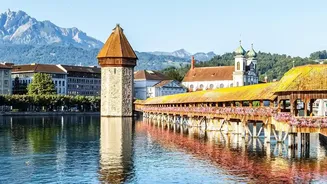
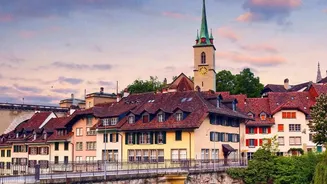
Lucerne is a quintessential Swiss city, and its centerpiece is the Chapel Bridge (Kapellbrücke), one of the oldest covered wooden bridges in Europe. Flanked by the historic Water Tower, this 14th-century landmark is not just a beautiful structure but a piece of history, with restored triangular paintings in its gables depicting scenes from the city's past. As a free and centrally located attraction, it draws a constant stream of visitors. It is one of the most photographed spots in Switzerland and is crossed by around 13,800 people daily. The bridge can become a bottleneck, especially at midday and during peak tourist season. For a more peaceful stroll and better photo opportunities, the best times to visit are early in the morning or later in the evening when the large tour groups have dispersed.
4. Interlaken
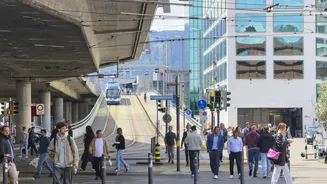
Interlaken's name, meaning 'between lakes', perfectly describes its setting between the stunning turquoise waters of Lake Thun and Lake Brienz. However, the town itself is less of a destination and more of a functional, and often crowded, hub for the wider Jungfrau Region. Its main streets are lined with souvenir shops and restaurants catering to large international tour groups. The real value of Interlaken is its strategic location as a transport base for accessing the region's true stars: the mountain villages of Grindelwald and Lauterbrunnen, and the railway to Jungfraujoch. The town can feel thronged, especially in summer, with busy train platforms and sidewalks. While it offers unparalleled access to adventure sports like paragliding and hiking, travellers looking for a quiet, charming village experience are often advised to stay in the smaller mountain towns above it and use Interlaken as a transit point rather than an overnight base.
5. Grindelwald
The village of Grindelwald, set at the foot of the mighty Eiger mountain, has become a victim of its own success. It serves as a key gateway to the Jungfraujoch and popular hiking areas like Grindelwald-First, with its famous Cliff Walk. This popularity has led to significant overtourism concerns, with the local infrastructure, including roads and public services, straining under the pressure. In 2022, the village recorded 1.4 million overnight stays, and locals have expressed concerns about the impact on their quality of life. The village center can feel overwhelmed, particularly in the afternoon when day-trippers and tour groups converge. Due to these pressures, the municipality has even taken steps to curb further tourism growth by halting new hotel projects. For visitors, this means booking accommodation far in advance is essential and preparing for a bustling environment, especially during the high seasons of summer and winter.