

Why Light Is Your Plant's Main Course
We often think of water as the primary need for plants, but light is what truly fuels their growth. Plants create their own food through a process called photosynthesis, which uses light to convert water and carbon dioxide into energy. Without enough
light, a plant is essentially starving, no matter how much water it receives. In fact, one of the most common mistakes in plant care is overwatering, which often happens when a plant in low light isn't using the water it's given, leading to root rot. The amount of light a plant receives dictates how much water it actually needs; more light means more photosynthesis and more thirst. Think of light as the engine and water as the coolant—the engine's power determines how much coolant it will use.
How to Read the Light in Your Home
Before you buy another plant, become an observer of your own space. 'Bright, indirect light' is the most common requirement, but what does it mean? It refers to a spot that receives plenty of sunlight that is diffused or filtered, perhaps by sheer curtains or because it's a few feet away from a window. A simple way to test your light is the 'shadow test': hold your hand about a foot from a surface. A sharp, well-defined shadow indicates direct light. A softer, slightly blurry shadow means bright, indirect light. A very faint shadow, or none at all, is low light. You can also use apps on your smartphone to get a more precise measurement. Notice how the light changes throughout the day. South-facing windows typically offer the most intense light, while north-facing windows provide the least. East-facing windows get softer morning sun, and west-facing windows get harsh afternoon sun.
Champions of the Shade: Low-Light Plants
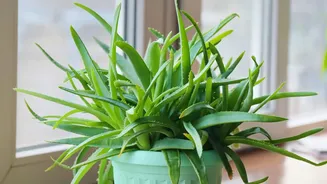
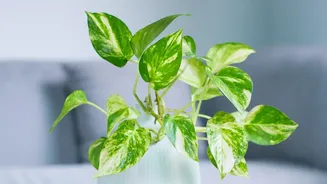
If your home has rooms with north-facing windows or corners far from a light source, don't despair. Several hardy plants tolerate low-light conditions. It's important to remember that 'low-light tolerant' does not mean 'no-light'; these plants will still grow best with some indirect sun. The Snake Plant (Sansevieria trifasciata) and the ZZ Plant (Zamioculcas zamiifolia) are nearly indestructible, thriving on neglect and storing water efficiently, making them perfect for beginners. Pothos (Epipremnum aureum), often called Money Plant in India, is another versatile choice with trailing vines that can adapt to various light levels. Other great options include the elegant Peace Lily (Spathiphyllum), which can even produce its white blooms in lower light, and the lush Chinese Evergreen (Aglaonema).
The Sweet Spot: Bright, Indirect Light
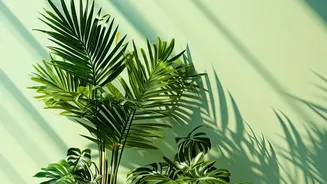
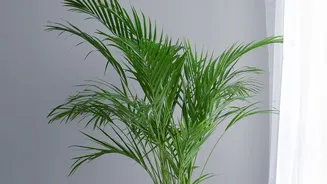
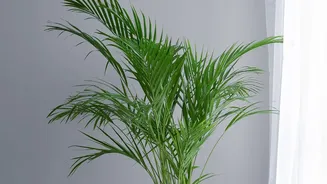
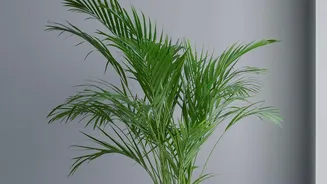
Most tropical houseplants, which make up the bulk of what's sold in nurseries, thrive in bright, indirect light because it mimics the dappled sunlight of their native rainforest floors. This is the ideal condition for many of the most popular and beautiful indoor plants. Statement plants like the Fiddle-Leaf Fig (Ficus lyrata), Monstera Deliciosa, and various Philodendrons flourish here. Other favourites include the Areca Palm, which brings a tropical feel, and the decorative Spider Plant (Chlorophytum comosum), which is also quite forgiving. An east-facing window is often a perfect source of this gentle morning light. In a brighter room, simply placing the plant a few feet back from a south or west-facing window can create the perfect filtered environment.
For the Sun Worshippers: Direct Light Plants
Some plants need several hours of direct, unfiltered sun to be happy. These are often plants native to arid, open environments. Succulents and cacti are the most obvious candidates; their thick leaves store water to help them endure the heat that comes with intense sun. Popular choices include Aloe Vera, Jade Plants, and many varieties of euphorbia. Other sun-lovers include the colourful Croton, the architectural Ponytail Palm (Beaucarnea recurvata), and the Sago Palm. These plants are perfect for an unobstructed south-facing windowsill where they can soak up the rays. Putting a plant that prefers indirect light in such a spot will likely lead to scorched, brown leaves.