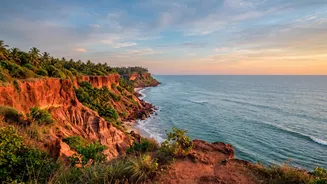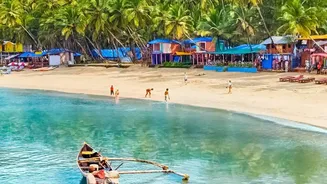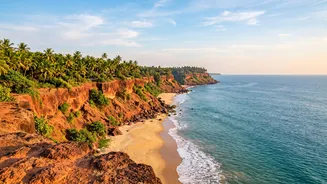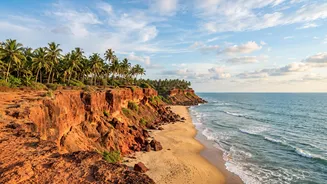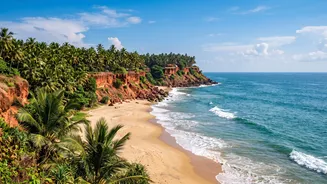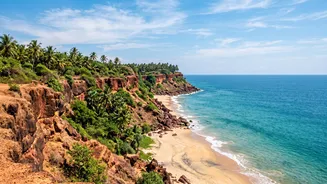





The Vibe: Bohemian Chic vs. Rustic Soul
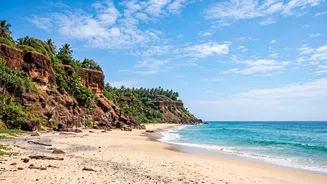
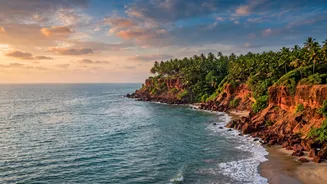
First, know that Varkala, Kerala, and Gokarna, Karnataka, offer two distinct experiences. Varkala is often described as “cliffside chic.”. Its main North Cliff is a vibrant, kilometre-long stretch of cafes, yoga studios, and shops that attracts a mix
of international tourists, families, and remote workers. It’s more developed and social, with a cosmopolitan feel. Gokarna, on the other hand, retains a more rustic, spiritual soul. Primarily a temple town, it draws a younger backpacking crowd alongside pilgrims. The vibe is slower and more about trekking between its famous beaches—Kudle, Om, and Paradise—than settling into a single cafe. Weekdays can be incredibly peaceful, while weekends see a spike in visitors.
Secret 1: Master the Art of Long-Term Stays
The biggest secret to affordability is avoiding nightly hotel rates. In both towns, the key is to find a homestay or guesthouse and negotiate a monthly rent. In Varkala, move slightly inland from the main cliff edge. Areas near the Helipad or Temple Junction offer private rooms for a fraction of the cost of a sea-view resort. Look for stays offering a common kitchen, which drastically cuts down food expenses. Similarly, in Gokarna, while beach huts on Kudle and Om beach are popular, staying in the main town offers cheaper guesthouses. Many nomads book a place for a few days and then explore on foot, speaking directly to owners for long-stay deals, which are rarely advertised online. Monthly rentals for a basic but comfortable room can be found for well under ₹15,000 in many cases.
Secret 2: Eat Local, Not Tourist
While the cliffside cafes in Varkala offer stunning sunset views, eating every meal there adds up. The secret is to have a mix. Enjoy a sunset coffee on the cliff, but for lunch and dinner, head to the small local eateries on the roads leading away from the main tourist strip. A filling Kerala meal can be had for a very low price. In Gokarna, the beach shacks provide simple, affordable fare like thalis and fresh seafood. The town itself is known for excellent and inexpensive vegetarian food, thanks to its status as a pilgrimage site. By limiting meals at pricier, tourist-focused cafes to a few times a week, your food budget can be halved.
Secret 3: The Mobile Office Setup
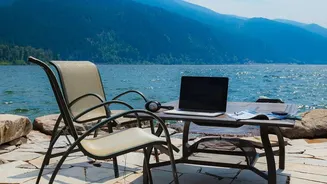
Formal co-working spaces are not a major feature in either town. The “office” is typically a cafe with decent Wi-Fi or your own room. The most crucial secret is self-reliance: have a solid mobile data plan. Jio and Airtel have been noted to offer good coverage in these areas, acting as a reliable backup when guesthouse Wi-Fi falters. In Varkala, the cliff is lined with cafes that are welcoming to remote workers, though internet speeds can be inconsistent. In Gokarna, cafes on Kudle and Om beach often have Wi-Fi, but it can be spotty. A new breed of 'workation' friendly stays with dedicated fiber internet are emerging slightly outside the main town, catering specifically to remote professionals.
Secret 4: A Budget Breakdown for a Month
So, what does it actually cost? While individual spending varies, a frugal-to-comfortable budget is achievable. In Varkala, a solo digital nomad could live comfortably on approximately ₹30,000-₹40,000 per month. This covers a long-term rental, a mix of home-cooked meals and local restaurants, scooter rental, and other daily expenses. Gokarna is generally considered slightly cheaper, with daily costs for a backpacker potentially as low as ₹1,200-₹2,500. For a month-long stay, a budget of ₹25,000-₹35,000 is realistic if you secure a cheap room and eat locally. Free activities like swimming, walking the Varkala cliff, or trekking Gokarna's beaches keep leisure costs low.