



More Than Just Water Content
When we talk about hydration, we often picture a bottle of water. While plain water is crucial for life, the hydration story doesn't end there. Whole fruits are hydration powerhouses not just because they are packed with water—often over 90% by weight—but
because they deliver that water in a structurally superior package. Unlike water, which can sometimes pass through the body relatively quickly, the water in fruit is bound within its fibrous structure. This means your body absorbs it more slowly, leading to more sustained and effective hydration over time. Think of it as a time-release capsule for H2O, delivering steady hydration to your cells instead of a sudden flood.
The Electrolyte Advantage
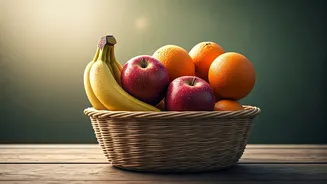
Ever wonder why sports drinks are popular after a workout? They replenish electrolytes—minerals like potassium, sodium, and magnesium that are lost through sweat and are vital for nerve function, muscle contraction, and maintaining proper fluid balance. Many fruits are naturally rich in these exact minerals. For example, bananas and oranges are famous for their potassium content. When you eat a hydrating fruit, you’re not just getting water; you’re also getting the electrolytes needed for your body to properly absorb and utilise that water. This natural combination helps pull water into your cells more efficiently, which is why eating fruit can sometimes quench your thirst on a deeper level than water alone.
Fibre’s Hydrating Secret
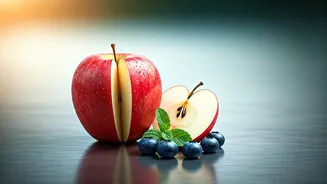
The unsung hero of fruit-based hydration is fibre. The soluble fibre in fruits like apples and oranges forms a gel-like substance in your digestive tract. This gel traps water, slowing down digestion and the release of water into your system. This process not only helps you feel full and satisfied but also ensures a slow, steady supply of hydration to your body. It prevents the kidneys from being overwhelmed and simply flushing out the excess liquid, allowing more of the water you consume to be put to good use. This synergy between water and fibre is something you simply don't get from a bottle of water or even a glass of juice, which has had most of its beneficial fibre stripped away.
Top Hydrating Fruits to Eat
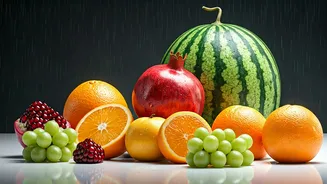
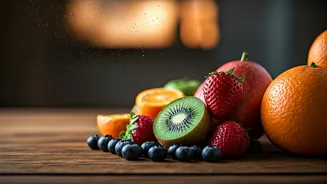
While most fruits are a good source of hydration, some are true champions. Incorporating these into your daily diet is an easy and delicious way to top up your fluid levels. Watermelon: The name says it all. At about 92% water, this summer staple is also a great source of lycopene, an antioxidant linked to heart and skin health, as well as a small amount of potassium. Strawberries: Composed of about 91% water, strawberries are packed with Vitamin C and flavonoids, which provide powerful antioxidant benefits. They are low in calories and delicious on their own or in a salad. Cucumber: Though technically a fruit, we treat it as a vegetable. Cucumbers boast the highest water content at around 96%. They are incredibly refreshing and contain small amounts of nutrients like Vitamin K and potassium. Oranges: Famous for their Vitamin C, oranges are also about 87% water. The potassium they contain makes them an excellent post-exercise snack for rehydrating and replenishing electrolytes.