


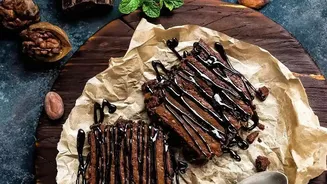
A Health-Conscious Twist on Indulgence
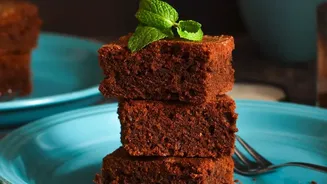
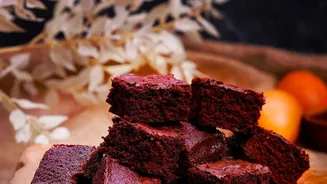
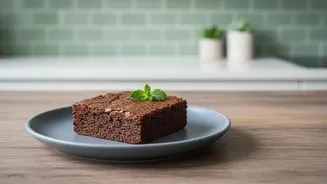
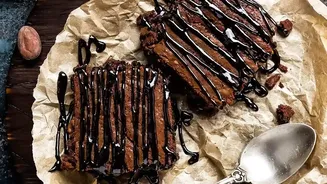
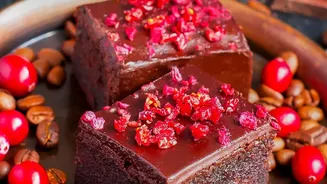
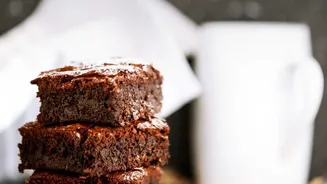
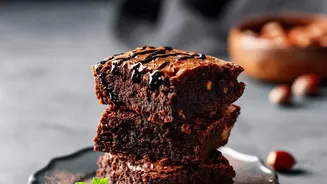
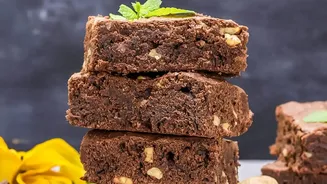
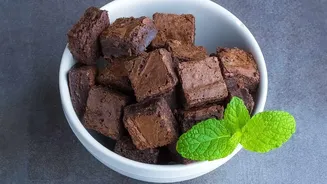
The world of pastry is undergoing a quiet revolution. As diners become more health-conscious, chefs are tasked with a delicious challenge: how to make indulgent desserts healthier without sacrificing flavour. The classic brownie, a dense, chocolatey square
of joy, has become a prime candidate for this makeover. The traditional base, refined white flour (maida), is effective but offers little nutritional value. Enter finger millet, known to most in India as ragi. This humble grain, a staple in many households for generations, is now stepping into the gourmet spotlight, transforming the simple brownie into a powerhouse of nutrients.
The Ancient Superfood: What is Ragi?
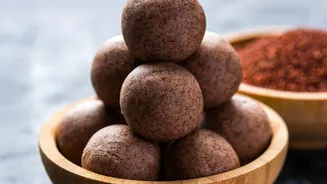
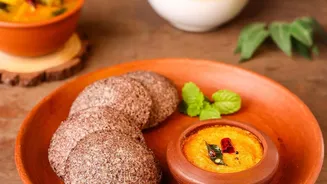
Finger millet is an ancient grain that has been cultivated for thousands of years in Africa and Asia. In India, it's a staple food, especially in the southern states and rural areas, prized for its resilience as a crop and its impressive nutritional profile. Traditionally used to make porridge, flatbreads (rotis), and drinks, ragi has long been celebrated for its health benefits. It's naturally gluten-free, making it an excellent choice for those with gluten sensitivities. Now, its potential is being fully realised in the world of modern baking.
The Nutritional Upgrade
When you swap refined white flour for finger millet flour, the nutritional leap is significant. Ragi is exceptionally rich in calcium, containing amounts significantly higher than most other grains. A 100-gram serving can provide about 344-370 mg of calcium, which is vital for bone health. It's also a great source of iron, which helps combat anaemia, and dietary fibre. This high fibre content aids digestion, promotes a feeling of fullness, and helps regulate blood sugar levels by slowing down glucose release. Unlike refined flour which can cause sharp spikes in blood sugar, ragi has a lower glycemic index, making it a smarter choice for sustained energy.
But How Do They Taste?
This is the crucial question for any dessert lover. A healthy brownie is only a success if it's still a treat. Fortunately, ragi brings its own unique character to the table that complements chocolate beautifully. Finger millet has a distinct earthy, nutty flavour that adds depth to the richness of cocoa. While the texture can be denser than a brownie made with white flour, skilled pastry chefs have learned to balance their recipes. They adjust moisture levels, often using ingredients like milk, yogurt, or extra butter, to achieve that sought-after fudgy, melt-in-your-mouth consistency. The result is a brownie that is not just a copy of the original, but a new and interesting creation in its own right, with a more complex flavour profile.
Beyond the Brownie: A Millet Movement
The trend of using ragi isn't limited to brownies. Creative bakers and chefs across the country are incorporating this versatile flour into a wide range of desserts. You can now find everything from ragi chocolate chip cookies and cakes to traditional Indian sweets like halwa and ladoo made with this nutritious millet. This shift reflects a larger movement towards embracing indigenous ingredients and giving them a contemporary twist. It’s a celebration of India's agricultural heritage, proving that traditional foods have a firm place in modern, health-forward cuisine. These creations offer a way to enjoy sweets with less guilt and more nutritional benefit.