





The Science of a Soggy Salad
The secret to a crisp vegetable is water. Plant cells are kept firm and crunchy by something called turgor pressure, which is basically the water inside the cells pushing outwards. However, most salad dressings contain two ingredients that are enemies
of this crispness: salt and acid (like vinegar or citrus juice). This is where a simple scientific process called osmosis comes into play. Salt is hydrophilic, meaning it attracts water. When you pour a salty, acidic dressing over your delicate greens, the salt immediately begins to pull water out of the plant cells. This loss of water causes the cells to lose their internal pressure, leading them to collapse. The result is wilted lettuce, softened cucumbers, and a watery pool at the bottom of your salad bowl.
The Most Vulnerable Vegetables
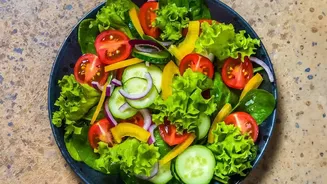
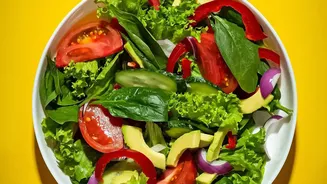
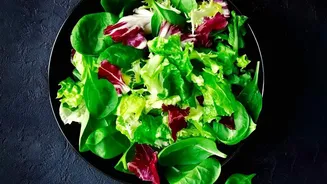
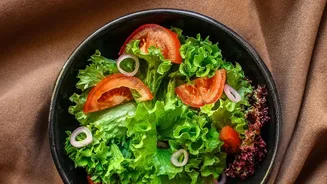
Not all salad ingredients are created equal when faced with dressing. Some are more susceptible to wilting than others. Delicate, leafy greens have thin cell walls that break down quickly. This includes varieties like butter lettuce, baby spinach, arugula, and other mixed spring greens. Vegetables with high water content are also particularly vulnerable. Think of thinly sliced cucumbers, ripe tomatoes, and radishes. The salt in the dressing draws out their moisture rapidly, leaving them soft and unappealing. If you plan to make a salad ahead of time, it's often best to keep these high-water-content vegetables separate until just before serving.
Timing Is Everything: When to Dress Your Salad
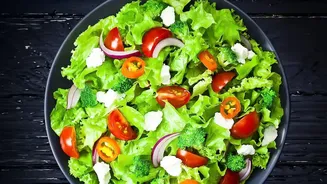
The golden rule is simple and almost universally agreed upon by chefs and food scientists: dress your salad immediately before you plan to serve it. This gives the dressing just enough time to coat the leaves and add flavour without beginning the wilting process. For a dinner party, this means tossing the salad should be one of the very last things you do before calling everyone to the table. A clever trick, often attributed to French grandmothers and popularized by figures like Ina Garten, is to prepare the dressing directly in the bottom of the salad bowl. You then pile the dry, clean greens on top and leave it. The greens sit protected from the dressing until the moment you're ready to eat, at which point a quick toss brings everything together perfectly.
Heartier Heroes: Salads You Can Dress Ahead
While delicate greens suffer from early dressing, some heartier ingredients actually benefit from it. Tough, sturdy vegetables can be marinated in advance, which helps to soften their texture and allows them to absorb more flavour. Kale is a prime example; massaging it with dressing 15-30 minutes before serving helps to break down its tough fibres, making it more tender and delicious. Similarly, salads based on shredded cabbage (like coleslaw), shaved Brussels sprouts, broccoli, carrots, and root vegetables can and should be dressed ahead of time. Grain-based salads with ingredients like quinoa, farro, or lentils also hold up beautifully and their taste often improves after sitting in dressing for a while.
Pro Tips for Perfectly Crisp Salads
Beyond timing, a few extra steps can ensure your salad remains perfectly crisp. First, your greens must be completely dry. Any water clinging to the leaves will prevent the dressing from adhering properly and will contribute to sogginess. A salad spinner is your best friend here. Second, always toss your salad in a bowl that is large enough to allow you to mix everything thoroughly without crushing the ingredients. Use your hands or a pair of tongs to gently lift and turn the greens, ensuring each leaf gets a light, even coating of dressing. Finally, consider how you add watery vegetables like cucumbers; removing the seedy, watery core can make a significant difference in preventing a soggy final product.