





What Exactly Is the New Rule?
The central government has imposed a temporary stock holding limit on sugar dealers, which is effective from August 1 to November 30, 2026. Under this directive, dealers are not permitted to hold more than 4,000 quintals of sugar at any given time. Furthermore,
they are required to sell their stock within 30 days of receiving it. This order also mandates that all dealers must declare their stock positions weekly on a government portal, increasing transparency in the supply chain. The government has clarified that these limits do not apply to sugar meant for the Public Distribution System (PDS) or stocks held by the government itself.
Why Is the Government Doing This?
The primary goal is to stabilize sugar prices and ensure the commodity is readily available for consumers, especially with the festive season approaching. In recent times, the government noticed a sharp rise in sugar prices that didn't seem to be justified by actual supply and demand. Officials identified practices like hoarding by traders and speculative trading (buying and selling on paper without physically moving the goods) as key reasons for creating an artificial sense of scarcity. This new limit is a direct measure to curb such activities, release hoarded stock into the market, and protect consumers from sudden price spikes.
How This Could Affect Your Monthly Budget
The government's intention is to bring prices down or at least keep them stable. By forcing dealers to offload their stock, the supply in the market should theoretically increase, which typically leads to lower prices. However, the impact isn't always immediate or straightforward. After the announcement, prices initially softened slightly but then began to rise again due to underlying concerns about supply and weather. While the stock limit aims to prevent artificial price inflation, it also serves as a signal to households that the market is volatile. This volatility is precisely why paying closer attention to retail prices has become more important than ever. Unexpected price shifts can strain a carefully planned monthly budget.
The Case for Smart Price Tracking
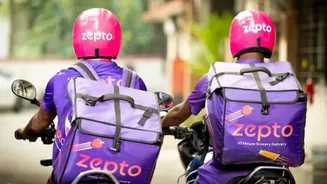
When essential items like sugar face price uncertainty, the habit of tracking what you spend becomes a powerful tool. It's no longer just about buying what you need, but also about buying it at the best possible price. The urban Indian market is filled with quick commerce apps and large retailers like Blinkit, Zepto, BigBasket, and JioMart, all competing for your business. Prices for the exact same product can vary significantly between these platforms. Manually checking each app is tedious, but ignoring these differences could mean you’re consistently overpaying, not just for sugar but for your entire grocery list. Being a savvy shopper today means using tools and techniques to ensure you’re getting the most value for your money.
Practical Ways to Track and Compare Prices
Becoming a price-conscious consumer is easier than you think. First, make it a habit to check at least two or three different online platforms or local stores before making a large grocery purchase. For tech-savvy shoppers, several price comparison apps have emerged specifically for the Indian market. Apps like Comparify, SastaDekho, and Quick Compare allow you to search for a grocery item once and see its price across multiple platforms like Swiggy Instamart, Blinkit, and Zepto side-by-side. Some of these tools even let you compare the total cost of your entire shopping cart across different apps, helping you identify which service offers the best overall deal for your specific needs. This simple step can translate into significant savings over time.