

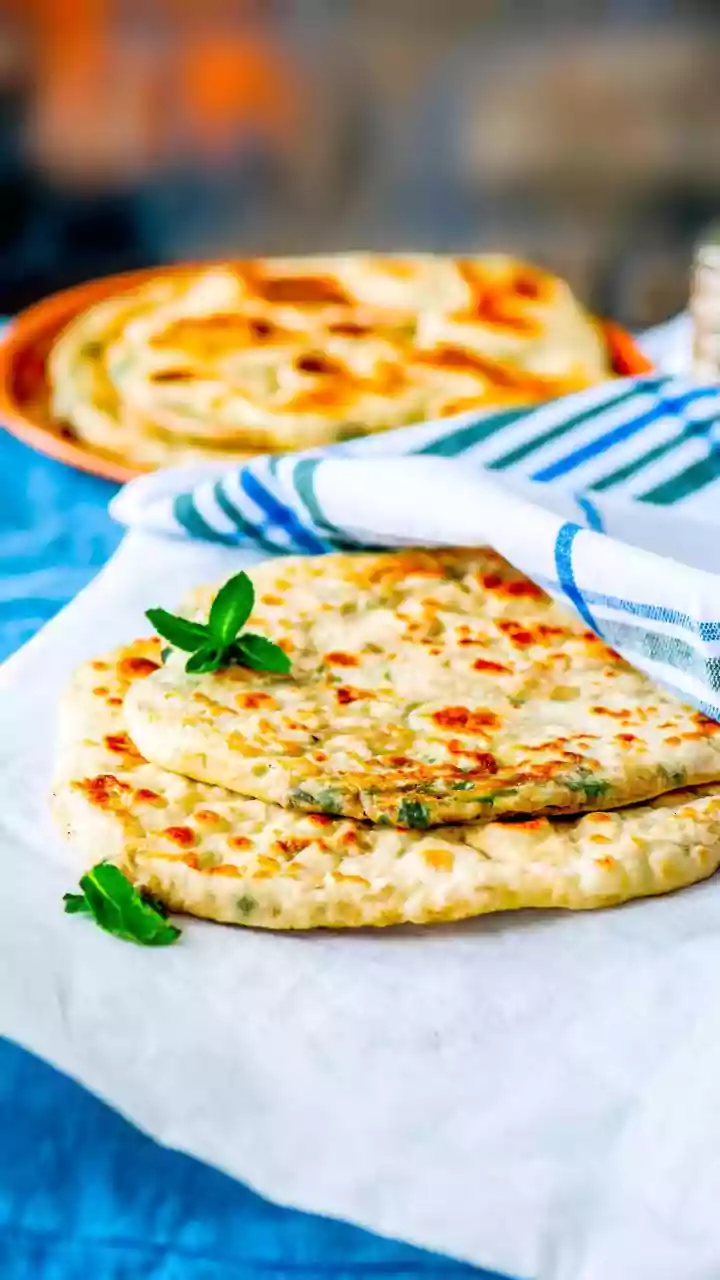
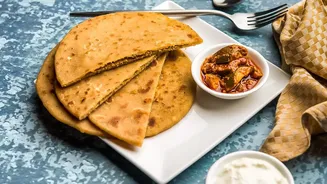
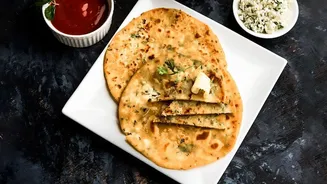
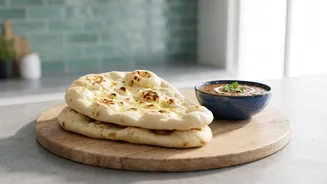
The Tandoor Is No Longer Essential
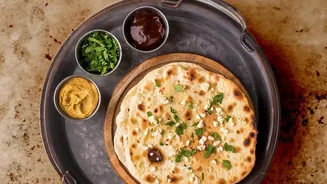
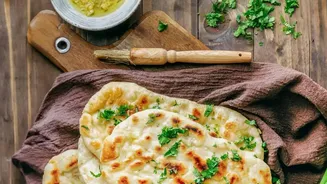
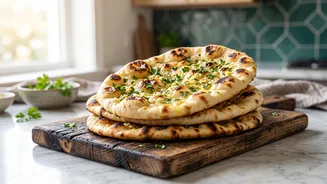
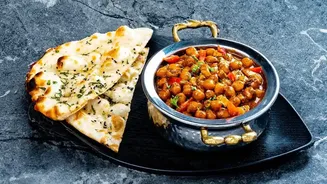
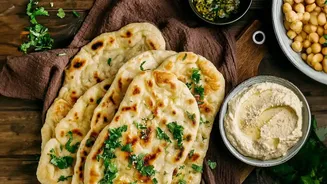
The biggest hurdle for home cooks has always been the tandoor, the traditional clay oven that gives naan and kulcha their signature texture and smoky flavour. Its intense heat, often exceeding 480°C, cooks the flatbreads in minutes, creating a soft interior
and a blistered exterior. For decades, it was widely believed that without a tandoor, true naan was out of reach. However, a wave of culinary innovation has successfully challenged this notion. Home cooks and professional chefs have developed ingenious methods to replicate the tandoor’s high-heat environment using everyday kitchen equipment. The key, it turns out, is not the tandoor itself, but understanding the science of how it cooks: intense, direct heat applied quickly.
Your Tawa Is the New Tandoor
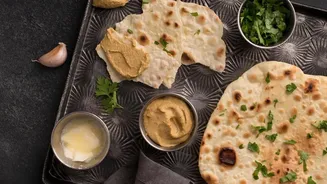
The most accessible tool for making naan and kulcha at home is the humble iron tawa or a heavy-bottomed skillet. The technique involves getting the pan extremely hot. One popular method requires you to apply water to one side of the rolled-out dough and place it water-side-down onto the hot tawa. The water helps the dough stick to the surface. Once bubbles appear, the entire tawa is inverted over an open gas flame. This direct exposure to the flame chars the top of the bread, mimicking the radiant heat of a tandoor and creating those beloved dark spots. This simple yet effective trick has been a game-changer, making restaurant-style results achievable on a standard stovetop.
Modern Appliances Offer New Solutions
Beyond the tawa, modern kitchen appliances are making the process even more foolproof. The Oven-Toaster-Grill (OTG) and even air fryers are being used to bake these breads. By preheating a pizza stone or a heavy baking tray to the oven’s highest temperature, cooks can slide the dough on and achieve a fantastic puff and even cooking. Some recipes even use the broiler setting for the final few moments to get a quick char. The rise of these appliances in Indian kitchens means that even those without a gas flame for the tawa method can produce soft, pillowy flatbreads. These tools offer controlled, consistent heat, which removes a lot of the guesswork and inconsistency that can frustrate home cooks.
Simplified Doughs and Leavening Agents
The evolution isn't just in the cooking method but also in the dough itself. Traditionally, naan dough was leavened with a starter from a previous batch or with yeast, which requires proofing time. While yeast-based recipes are still popular, many modern recipes offer quicker alternatives that are more suited to a busy lifestyle. Many now use chemical leavening agents like baking powder and baking soda in combination with yogurt (curd). The reaction between the acidic yogurt and the baking soda helps the dough rise quickly, eliminating the need for long resting periods. This means you can decide to make naan for dinner and have it ready in under an hour, a convenience that was previously unthinkable.
The Age of the Digital Ustaad
Perhaps the most significant factor is the democratisation of knowledge. A decade ago, these techniques were the guarded secrets of restaurant chefs. Today, a quick search on YouTube or Instagram yields thousands of video tutorials from talented home cooks and chefs who break down the process step-by-step. These digital 'ustaads' demystify everything from kneading the perfect soft dough to flipping the tawa with confidence. Seeing the process visually makes it far less intimidating than reading a recipe, empowering countless Indians to try their hand at what was once considered a culinary feat reserved for professionals.