



The Allure of the First Rain
There's a palpable shift in India’s popular hill stations. Long before the monsoon officially blankets the country, groups of travellers are already there, waiting. They are the ‘monsoon chasers’—a growing community of bikers, photographers, and experience-seekers
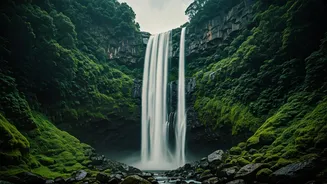
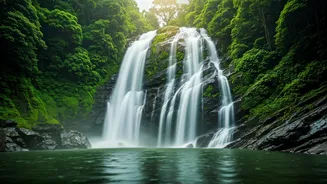
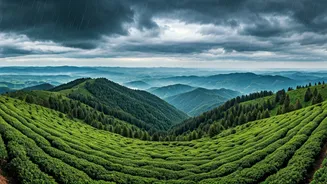
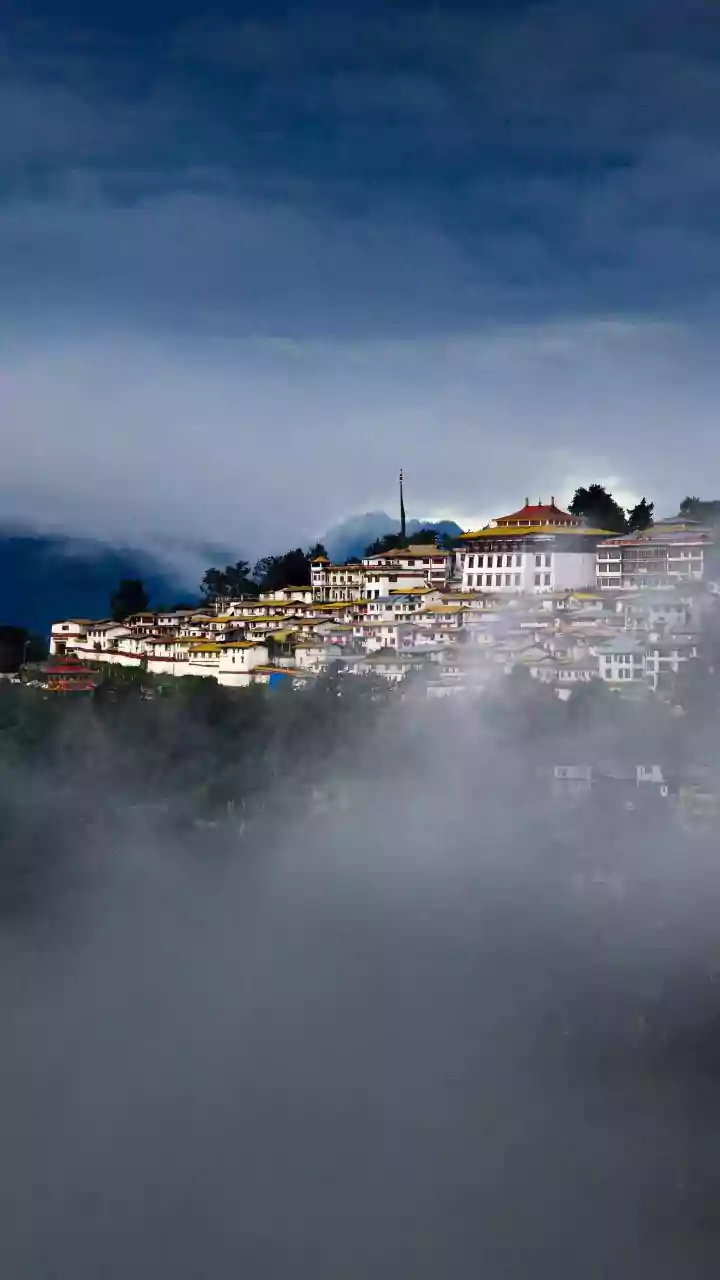
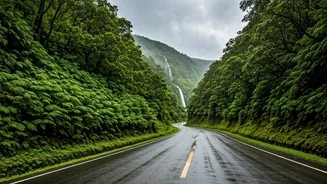
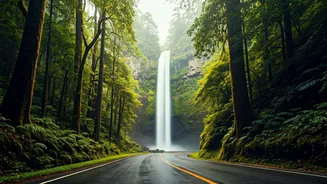
who trade sunny skies for the drama of moisture-laden clouds rolling through valleys. This isn't your typical peak-season tourist crowd. Instead of checklists of sights, they come armed with cameras and a desire to witness a specific moment: the transformation of a dry, tired landscape by the first showers. The appeal is multisensory—the smell of petrichor (the earthy scent of rain on dry soil), the cool mist on your face, and the vibrant, almost fluorescent green that emerges overnight.
Who Are These Early Birds?
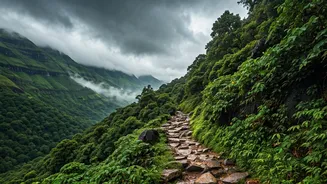
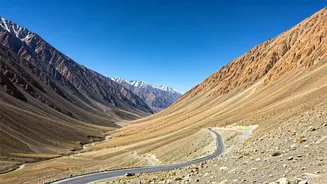
This trend is largely driven by a younger demographic, from college students on a budget to young professionals seeking a break from city life. For them, the pre-monsoon period offers a perfect trifecta: pleasant weather that isn't too cold or too rainy, fewer crowds than in the peak summer or winter months, and off-season prices that make travel more affordable. Biker groups, in particular, have embraced this window, finding the winding mountain roads challenging yet rewarding before the risk of major landslides intensifies. They are not just passing through; they are curating a specific, shareable experience, often documenting their journey from the first rumble of thunder to the first cup of chai in a rain-drenched cafe.
The Instagram Effect
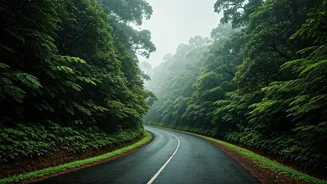
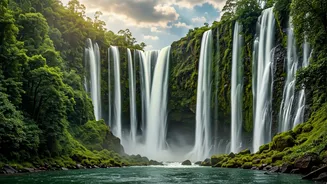
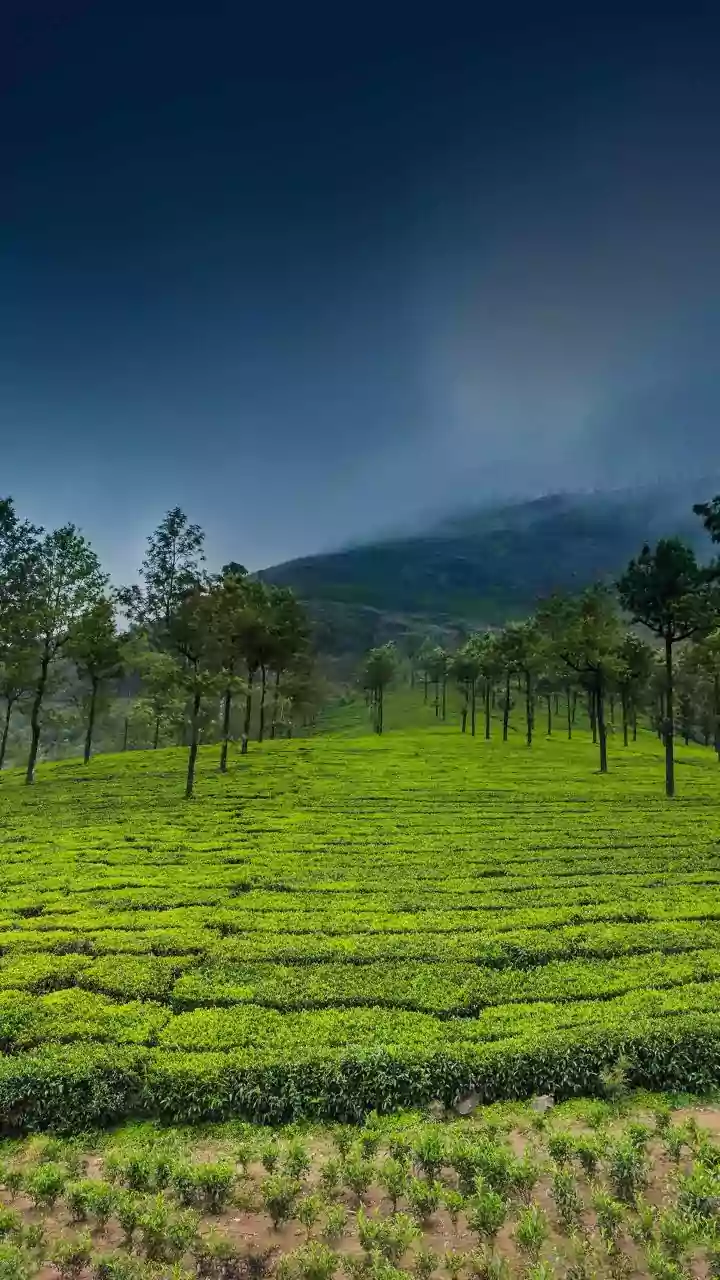
It’s impossible to talk about this trend without mentioning social media. Instagram reels of misty mountains, time-lapses of dramatic cloud formations, and vlogs titled 'Chasing the Monsoon' have created a powerful aesthetic. This digital romanticisation has transformed the monsoon from a travel impediment into a destination in itself. Hill stations in Himachal Pradesh, Uttarakhand, and the Western Ghats (like Lonavala, Mahabaleshwar, and Munnar) have become prime backdrops. An image of a lone figure on a foggy road or a video of rain lashing against a windowpane can garner thousands of views, inspiring others to seek out the same moody, atmospheric shots. The hashtag #MonsoonTravel is no longer an oxymoron; it's an aspirational tag.
A Double-Edged Sword for Locals
For local economies, this early influx is a welcome, if complex, phenomenon. After the lull following the peak summer season, the arrival of monsoon chasers provides a much-needed financial boost. Hotels, cafes, and tour operators that would typically see a dip in business are now enjoying an extended season. However, this trend is not without its downsides. The early monsoon period is notoriously unpredictable. Authorities in states like Himachal Pradesh and Uttarakhand regularly issue warnings about the dangers of travelling during this time, citing risks of flash floods, landslides, and slippery roads. The influx of often-unprepared tourists can strain local resources and emergency services, which are themselves preparing for the heavier onslaught of the main monsoon.
Paradise with a Reality Check
Chasing the monsoon can be an incredibly rewarding experience, but it demands respect and preparation. The romanticised images on social media rarely show the reality of blocked roads, power outages, or the very real danger of navigating mountain terrain in volatile weather. Experienced chasers know to pack waterproof gear, check weather advisories constantly, book flexible accommodations, and always have a backup plan. They understand the difference between a gentle shower and a torrential downpour that can bring a region to a standstill. The key is to embrace the unpredictability, not to underestimate it. The mountains are beautiful in the rain, but their power should never be taken for granted.