



Kanda Poha from Maharashtra
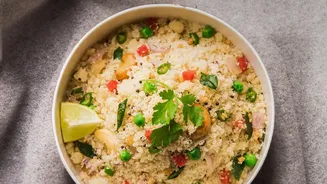
A classic breakfast from Western India, Kanda Poha is as simple as it is satisfying. Made from flattened rice flakes (poha), it's a light, fluffy, and quick-to-prepare dish that won't leave you feeling heavy. The magic lies in its tempering of mustard
seeds, curry leaves, and crunchy peanuts, all sautéed with onions (kanda). A sprinkle of turmeric gives it a cheerful yellow hue, while a final squeeze of lemon juice adds a tangy brightness that cuts through the earthy flavours. Often garnished with fresh coriander and sometimes crunchy sev, this dish is a perfect, savoury start to a damp day, offering a bowlful of warmth in minutes.
Moong Dal Cheela from North India
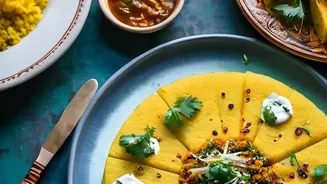
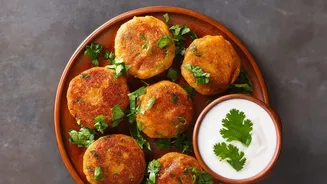
Often described as a savoury Indian pancake, the Moong Dal Cheela is a healthy and protein-packed option popular across North India. Made from a simple batter of soaked and ground yellow moong lentils, these crepes are incredibly versatile. The batter is lightly spiced with ginger, green chillies, and cumin, then pan-fried to a soft texture with slightly crispy edges. You can enjoy them plain or add finely chopped onions and coriander to the batter for extra flavour and texture. Served hot with a side of tangy green chutney or cool yoghurt, a plate of Moong Dal Cheela is a nutritious and comforting way to fuel your body on a sluggish, rainy morning. It's naturally gluten-free and easy to digest, making it a favourite for all ages.
Appam with Stew from Kerala
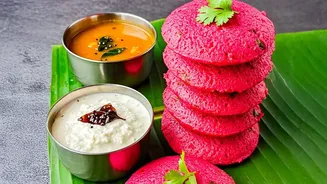
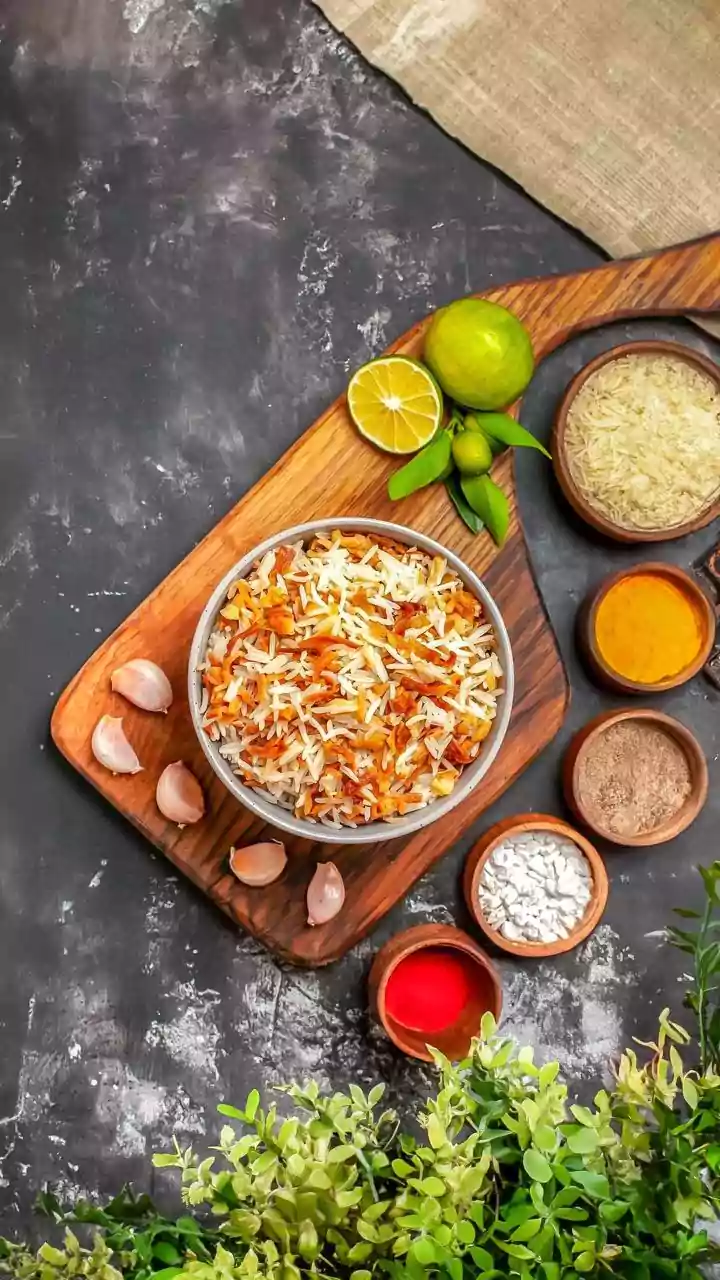
From the lush landscapes of Kerala comes Appam, a culinary masterpiece that is pure comfort. These are soft, bowl-shaped pancakes made from a fermented rice and coconut batter. Traditionally fermented with toddy, yeast is now commonly used to create the signature soft, spongy centre and delicate, crispy lace-like edges. The perfect companion to the mild sweetness of appam is a fragrant stew, or 'ishtew'. This creamy, soul-soothing curry is typically made with potatoes and carrots gently simmered in coconut milk and subtly spiced with ginger, green chillies, and whole spices like cardamom and cinnamon. Tearing a piece of the fluffy appam and dipping it into the warm, aromatic stew is a quintessential rainy-day experience in the South.
Ghugni from Eastern India
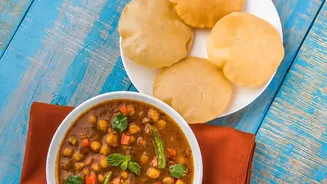
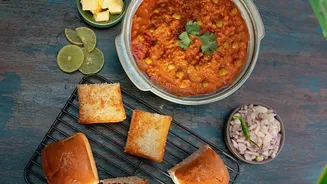
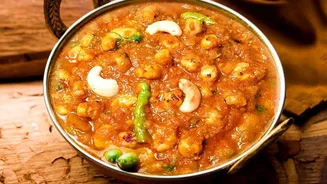
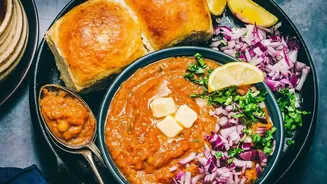
Ghugni is a beloved breakfast and snack staple in Eastern India, particularly in West Bengal, Bihar, and Odisha. This hearty and flavourful curry is made from dried yellow or white peas that are soaked overnight and then slow-cooked in a gravy of onions, ginger, garlic, and tomatoes. The consistency should be just right—thick and slurpy but never watery, with the peas cooked until tender but still holding their shape. While variations exist, some including chunks of potato or even minced meat, the classic vegetarian version is a dish of pure, unadulterated comfort. Often enjoyed with fluffy luchis (fried bread) or just a simple slice of toast, a hot bowl of ghugni, garnished with chopped onions and a squeeze of lime, is guaranteed to warm you up from the inside out.
Pesarattu from Andhra Pradesh
Hailing from Andhra Pradesh, Pesarattu is a crispy crepe, or dosa, made from whole green moong dal. Unlike a regular dosa, its batter requires no fermentation, making it a relatively quick and healthy option. The name itself comes from 'pesara' (moong) and 'attu' (dosa). The lentils are soaked and ground with ginger, cumin seeds, and green chillies to create a nutrient-rich batter. Cooked on a hot tawa until golden and crisp, it's often sprinkled with finely chopped raw onions and chillies while it cooks. A popular variation, the 'MLA Pesarattu', is stuffed with savoury upma, making it an even more substantial meal. Served with a side of spicy ginger chutney (Allam Pachadi), this protein-rich breakfast offers a delightful crunch and a robust flavour perfect for a monsoon morning.