






A New Horizon for Travel
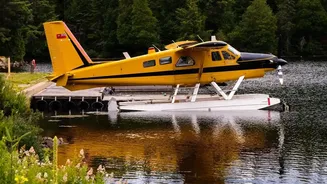
Seaplanes, or amphibious aircraft, are uniquely designed to take off from and land on water, eliminating the need for traditional, costly runways. This makes them a game-changer for a country like India, which boasts a 7,500-kilometre coastline and an extensive
network of rivers and reservoirs. For decades, many of the nation's most pristine and beautiful locations have remained inaccessible to the average tourist due to a lack of infrastructure. Seaplanes offer a practical solution, turning any suitable water body into a potential airstrip and bringing remote destinations within easy reach. The goal is to dramatically cut travel time; for instance, a four-hour road journey could become a 16-minute flight, as demonstrated in a trial run in Kerala.
Boosting Local Economies
The introduction of seaplane services is about more than just convenience for travellers; it's a powerful catalyst for economic growth in isolated communities. By connecting these areas to major tourist hubs, seaplanes can funnel visitor traffic directly to local economies. This stimulates demand for homestays, local handicrafts, and regional cuisine, creating jobs and new entrepreneurial opportunities. Improved connectivity also means faster access to essential services, including medical evacuations, which enhances the quality of life for residents. The government's push, through initiatives like the UDAN scheme and Sagarmala project, aims to provide viability gap funding to make these routes financially sustainable for operators, ensuring long-term benefits for the regions they serve.
The Indian Context: Trials and Ambitions
India's journey with seaplanes has seen several starts and stops. A high-profile service launched in 2020 to connect Ahmedabad’s Sabarmati Riverfront to the Statue of Unity in Kevadia garnered international attention but was later discontinued due to high costs and weak demand post-pandemic. However, the vision remains alive, with a renewed push from the government. Numerous routes have been identified under the UDAN and Sagarmala schemes, including connecting the islands of Andaman & Nicobar and Lakshadweep, as well as routes in Kerala, Assam, and Maharashtra. For instance, a key plan involves connecting Kochi with several Lakshadweep islands, aiming to reduce a four-hour ferry ride to a 30-minute flight. In April 2026, SkyHop Aviation received regulatory approval to begin commercial operations, signalling a new phase for seaplane travel in India, with Lakshadweep as a key launch destination.
Overcoming the Operational Hurdles
Despite the immense potential, the path to a thriving seaplane ecosystem is not without challenges. Previous projects struggled with high operational costs, a lack of certified water aerodromes, and a complex regulatory environment. Maintaining seaplanes is expensive, partly due to the corrosive effects of saltwater operations, and India currently lacks dedicated MROs (Maintenance, Repair, and Overhaul) facilities. There is also a shortage of locally trained pilots and engineers with seaplane experience. For services to be sustainable, they need to be integrated with the broader tourism industry, ensuring steady passenger demand, much like the successful model seen in the Maldives where flights are packaged with resort stays.
The Journey Becomes the Destination
Beyond its practical benefits, seaplane travel offers a uniquely thrilling experience. Flying at lower altitudes, passengers are treated to breathtaking aerial views of coastlines, backwaters, and landscapes, making the journey an unforgettable part of the vacation itself. The experience is more intimate than a commercial flight, with smaller aircraft like the 19-seater DHC-6 Twin Otter being commonly used. As these services become more common, they promise not only to connect us to remote places but to change our perspective on travel, turning a simple transit into a scenic adventure.