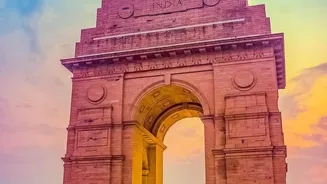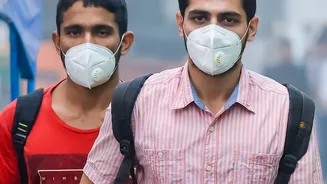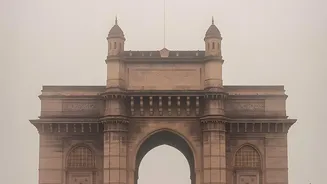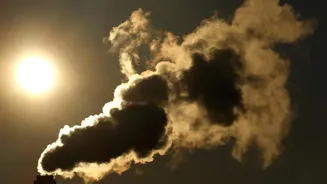




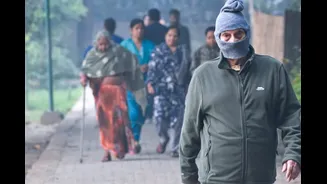

As a thick, grey smog blankets Delhi, forcing schools to shut their doors, a familiar yet unwelcome sight returns: children confined to their homes, attending classes online. This is not a pandemic drill; it's an annual environmental crisis.
A City Choking in 'Severe' Air
Delhi is once
again grappling with a public health emergency. On Friday, November 13, the city's air quality plunged deep into the 'Severe' category, with the overall Air Quality Index (AQI) soaring to 494 in the morning. Some monitoring stations, like at IIT Delhi, recorded levels as high as 488. These hazardous pollution levels, driven by a combination of stubble burning in neighbouring states, vehicular emissions, and unfavourable weather conditions, have forced authorities to act. The Commission for Air Quality Management (CAQM) has implemented restrictions under the Graded Response Action Plan (GRAP), and a key part of this emergency response has been the closure of schools and a shift to online or hybrid classes, particularly for younger students.
Déjà Vu: The Return of the Digital Classroom
For parents and students, the sudden shift back to screens is a stressful echo of the COVID-19 lockdowns. However, the enemy this time is not a virus but the very air they breathe. Schools across the National Capital Region are moving primary classes online, while some older grades operate in a hybrid model. This reactive measure, designed to protect children from the severe physical health impacts of pollution, is inadvertently triggering a second crisis—one concerning their mental and emotional well-being. Experts have long warned about the downsides of excessive screen time and the social isolation that comes with virtual learning. Now, what was once a temporary pandemic measure is becoming a recurring seasonal reality for an entire generation of students in the capital.
The Invisible Toll: Anxiety and Stress
The link between being forced indoors and rising anxiety in children is a growing concern for psychologists and pediatricians. The disruption of daily routines, the lack of face-to-face interaction with friends, and the inability to engage in outdoor play are significant stressors. Children express distress over being separated from nature and their peers, which can manifest as irritability, fear, and worry. A survey conducted in Delhi-NCR during a previous pollution peak found that nearly 70% of children felt stressed, with 77% reporting feelings of anxiety or irritation due to poor air quality. This 'pollution anxiety' is compounded by the pressures of online learning, which can include difficulty focusing, technical glitches, and the absence of a supportive classroom environment.
Confined Bodies, Confined Minds
Beyond the immediate feelings of anxiety, experts point to the long-term developmental consequences of this annual confinement. Outdoor play is crucial for physical health, cognitive development, and learning social skills like negotiation, cooperation, and conflict resolution. When children are unable to run, play, and interact freely, their development can be hampered. The confinement creates a paradox for parents: while they try to limit screen time, digital devices become the only portal for both education and socialisation. This increased dependency can lead to a cycle of screen addiction, mental fatigue, and burnout. The fine particulate matter in polluted air, known as PM2.5, can even cross the blood-brain barrier, potentially causing inflammation and affecting brain chemistry, which can worsen cognitive and emotional challenges.
Searching for a Breath of Fresh Air
While schools and parents adapt with a mix of online classes and indoor activities, these are merely coping mechanisms. The repeated cycle of school closures highlights a systemic failure to address the root cause of the problem: air pollution. Experts argue that while individual actions like using air purifiers can help, the real solution must be systemic and policy-driven. The recurring crisis is no longer just an environmental issue or a physical health concern. It has evolved into a significant mental health and developmental challenge for millions of children. The annual smog is robbing them of their childhood—of schoolyard friendships, outdoor games, and the simple joy of breathing clean air. As Delhi authorities consider measures like cloud seeding, the long-term well-being of its youngest residents hangs in the balance, dependent on finding a sustainable solution to this toxic air.