

1. Prioritise Visibility Above All
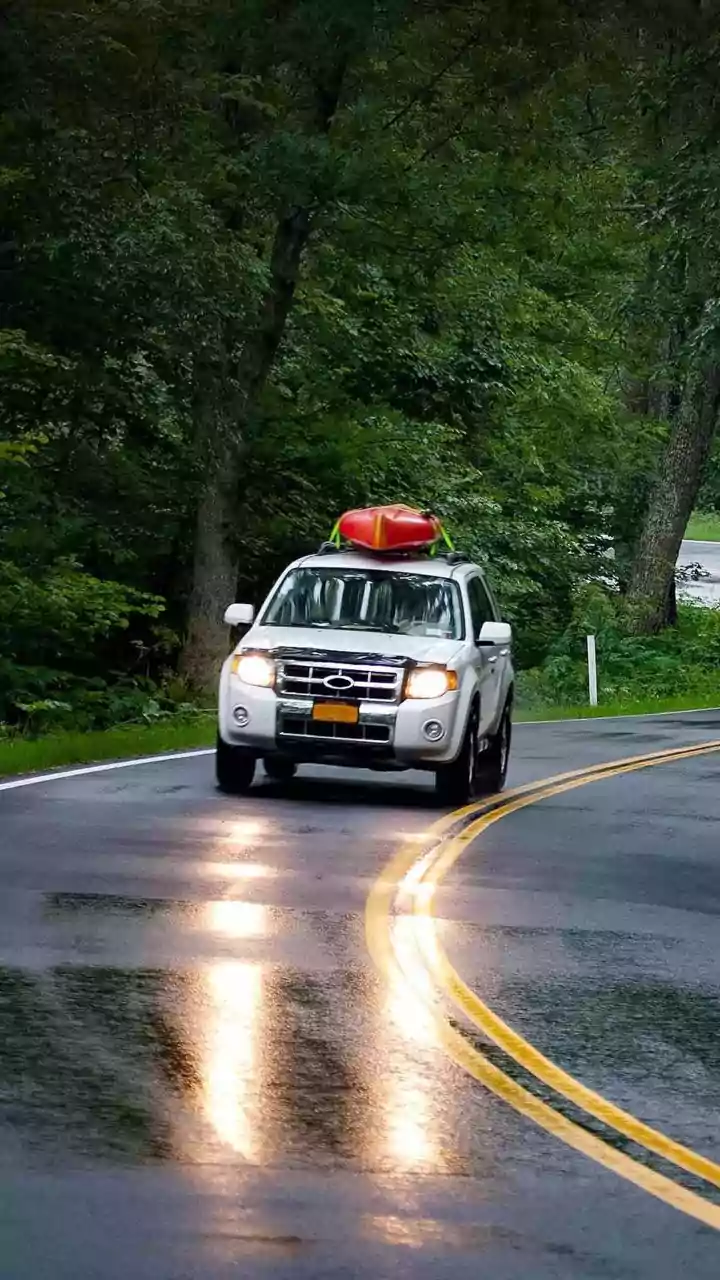
During a downpour, seeing and being seen is the most critical safety rule. For drivers, this means ensuring your wipers, headlights, and taillights are in perfect working order. Using low beams is more effective than high beams, which can reflect off
raindrops and worsen visibility. For motorcyclists, a clean, anti-fog visor on your helmet is a must. Wearing a brightly coloured or reflective jacket can make you significantly more visible to other vehicles, especially in low light. Pedestrians should also opt for bright clothing and colourful umbrellas. A dark raincoat on a gloomy day can make you nearly invisible to an approaching car.
2. Master the Wet and Slippery Roads
The first rain makes roads exceptionally slick by mixing with oil and dust on the surface. All commuters must adjust. Drivers should dramatically increase their following distance—doubling the usual three-second rule is a good start—as braking distances increase significantly on wet roads. Be wary of hydroplaning, where your tyres lose contact with the road. If it happens, ease off the accelerator and steer steadily; do not brake suddenly. Riders on two-wheelers must be even more cautious, applying brakes gently and progressively to avoid skids. Pedestrians need to be mindful of slippery surfaces like painted road markings, metal plates, and fallen leaves, and wear footwear with good grip to avoid falls.
3. Prepare Your Vehicle and Yourself
A pre-monsoon check-up is non-negotiable for any vehicle. For both cars and two-wheelers, the most important components to inspect are the tyres and brakes. Ensure your tyres have adequate tread depth to channel water away and prevent skids. Your brakes should be in optimal condition, as moisture can reduce their effectiveness. For riders, lubricating the chain is crucial to prevent rust and damage from mud and water. For pedestrians, preparation means having the right gear. Besides a sturdy umbrella, waterproof footwear with non-slip soles is essential for navigating wet, uneven pavements safely.
4. Be Wary of Hidden Dangers
Waterlogged streets can conceal a host of dangers. Puddles and flooded sections of road can hide deep potholes, debris, or even open manholes, posing a serious risk to all. Drivers and riders should avoid driving through large pools of water whenever possible. If you must cross a waterlogged area, do so slowly and steadily to avoid your engine stalling or losing control. Pedestrians should be extremely cautious around puddles and flooded footpaths. Using pedestrian bridges where available is a safer alternative. Also, be mindful of the risk from electricity, and stay away from downed power lines or exposed electrical boxes.
5. Slow Down and Stay Patient
The single most effective safety tip for the monsoon is to simply slow down. Rushing in the rain is a recipe for disaster. Leave for your destination earlier than usual to give yourself plenty of time. For drivers and riders, this means reducing speed, avoiding sudden acceleration or braking, and being extra considerate of more vulnerable road users like cyclists and pedestrians. Splashing water on pedestrians is not just inconsiderate; it can startle them and cause them to step into traffic. For pedestrians, resist the urge to dash across a busy street in a downpour. With reduced visibility, a driver may not see you in time. Staying alert, patient, and aware of your surroundings is your best defence against the chaos of a monsoon commute.